Serengeti National Park
Serengeti National Park, located in northern Tanzania, is one of Africa's most iconic wildlife destinations. Renowned for its vast savannahs, abundant wildlife, and the world-famous Great Migration, the Serengeti offers an unparalleled safa
At a glance
Useful facts for planning
In this guide
Why go
Serengeti National Park: The Heart of Africa's Great Migration
Serengeti National Park, located in northern Tanzania, is one of Africa's most iconic wildlife destinations. Renowned for its vast savannahs, abundant wildlife, and the world-famous Great Migration, the Serengeti offers an unparalleled safari experience. As a UNESCO World Heritage Site, the park's stunning landscapes and rich biodiversity make it a must-visit destination for any nature enthusiast or adventure traveler.
Where Africa's Heart Beats Wild
Key attractions
What to look for
The Great Migration
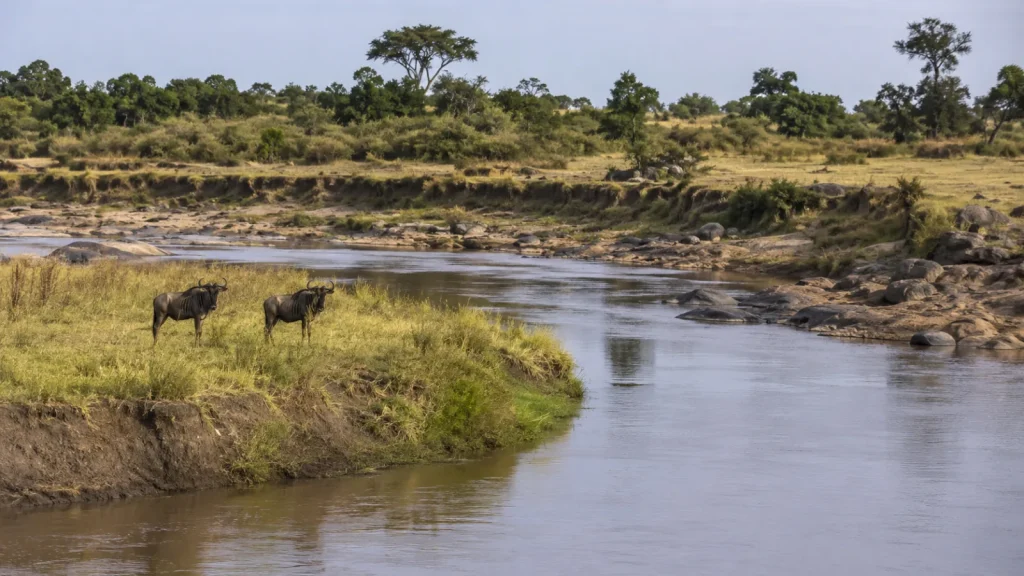
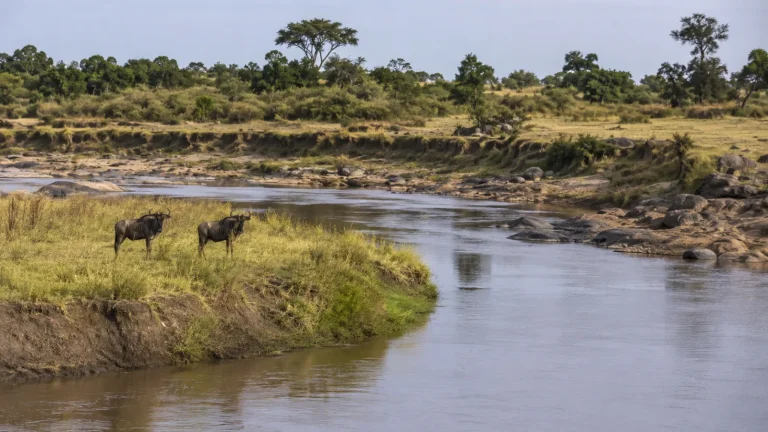
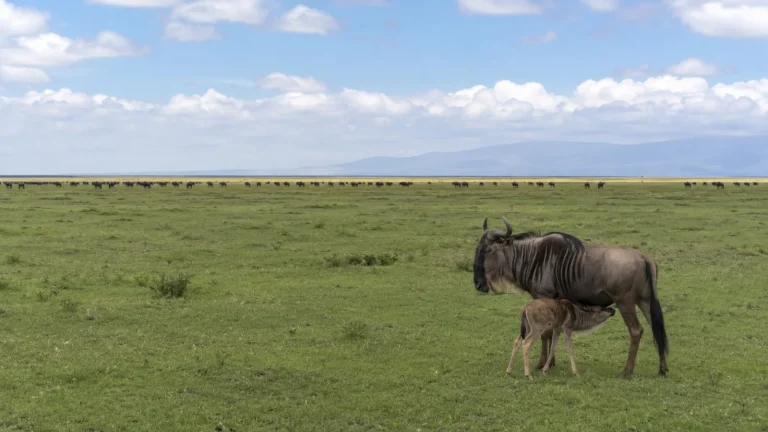
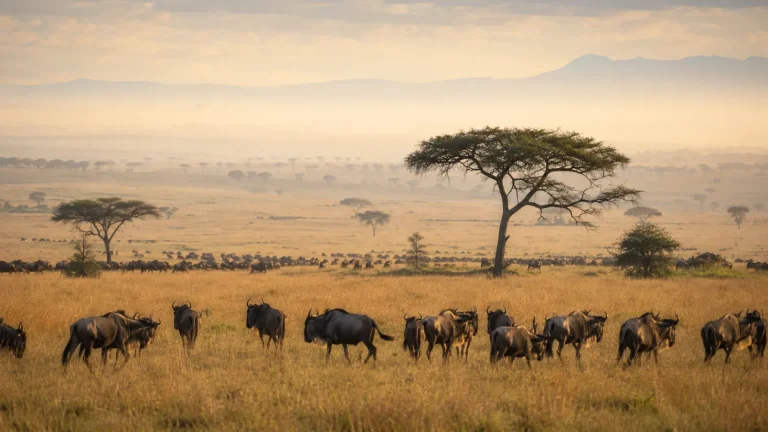
The Serengeti is globally renowned for the Great Migration, an awe-inspiring natural event where millions of wildebeest, zebras, and gazelles traverse the plains in search of fresh grazing grounds. This epic journey, driven by seasonal rains, creates dramatic river crossings and predator-prey interactions that offer spectacular wildlife viewing opportunities. The migration typically takes place from June to October, with the herds moving from the Serengeti to the Masai Mara in Kenya and returning between November and May.
Serengeti Plains
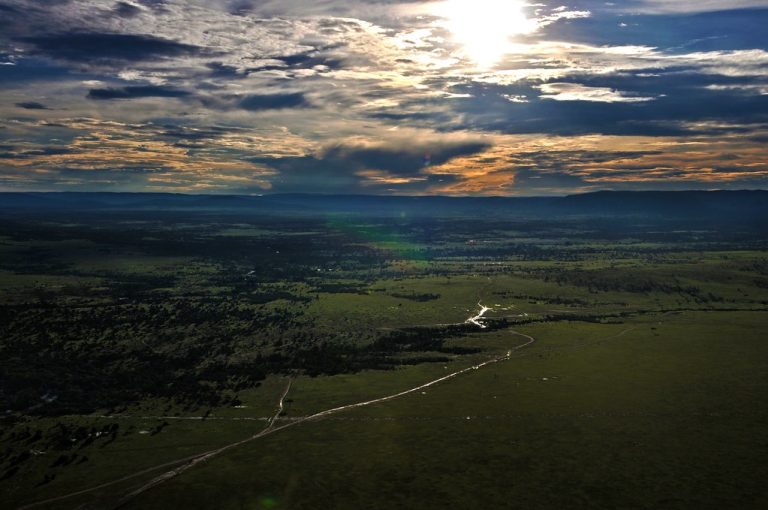
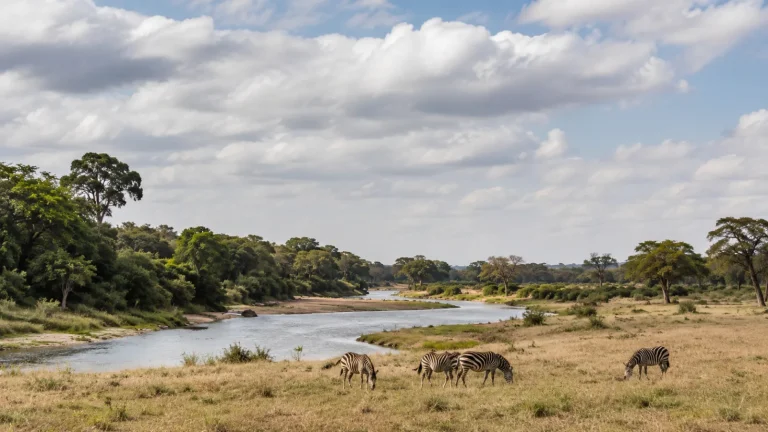
The Serengeti Plains, a vast expanse of open grassland, are the heart of the park's ecosystem. This iconic landscape provides the perfect backdrop for game drives and wildlife photography. The plains are home to large herds of grazing animals, including wildebeest, zebras, and antelope, as well as their predators, such as lions, cheetahs, and hyenas.
Serengeti Ecosystem
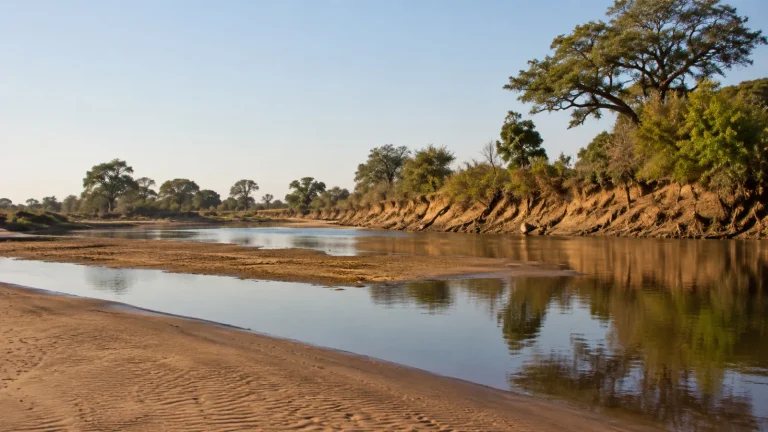
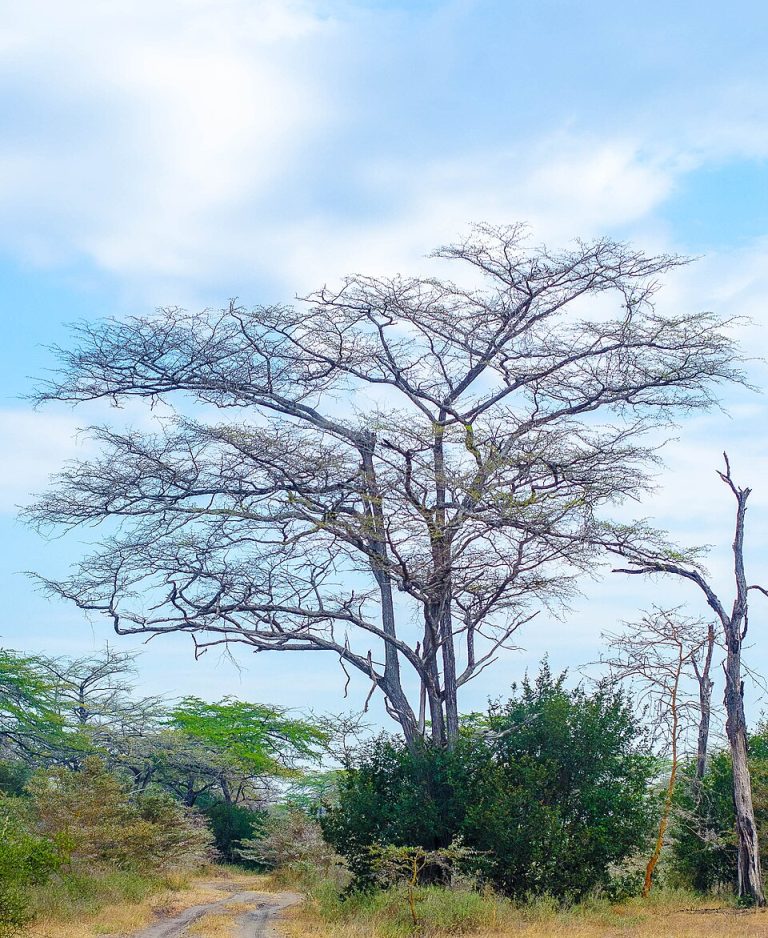
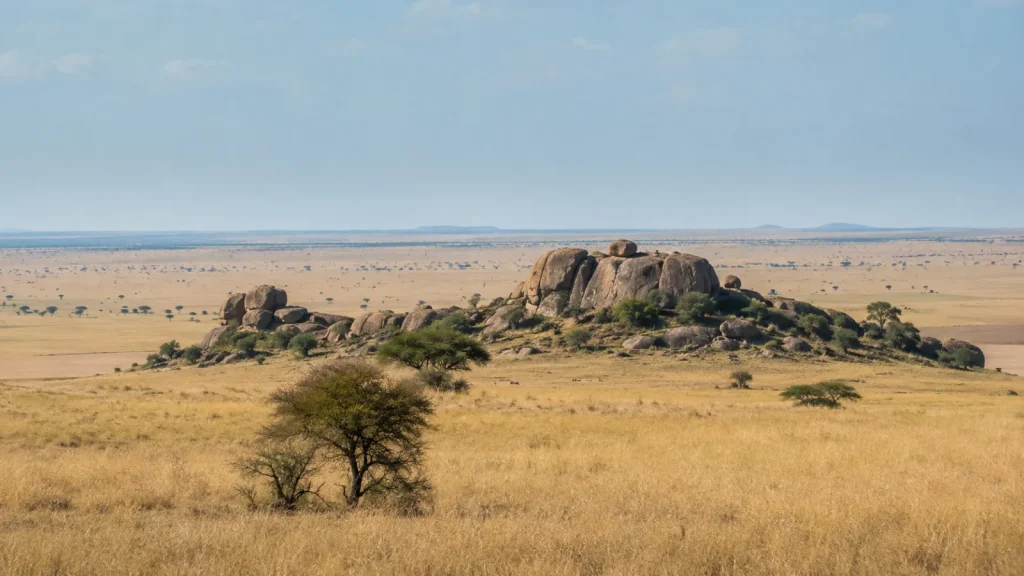
The Serengeti National Park encompasses a variety of ecosystems, including woodlands, kopjes (rock outcrops), and riverine forests. These diverse habitats support a wide range of wildlife and plant species. The park's varied environments create opportunities for spotting different species, from elusive leopards in the trees to herds of elephants in the woodlands.
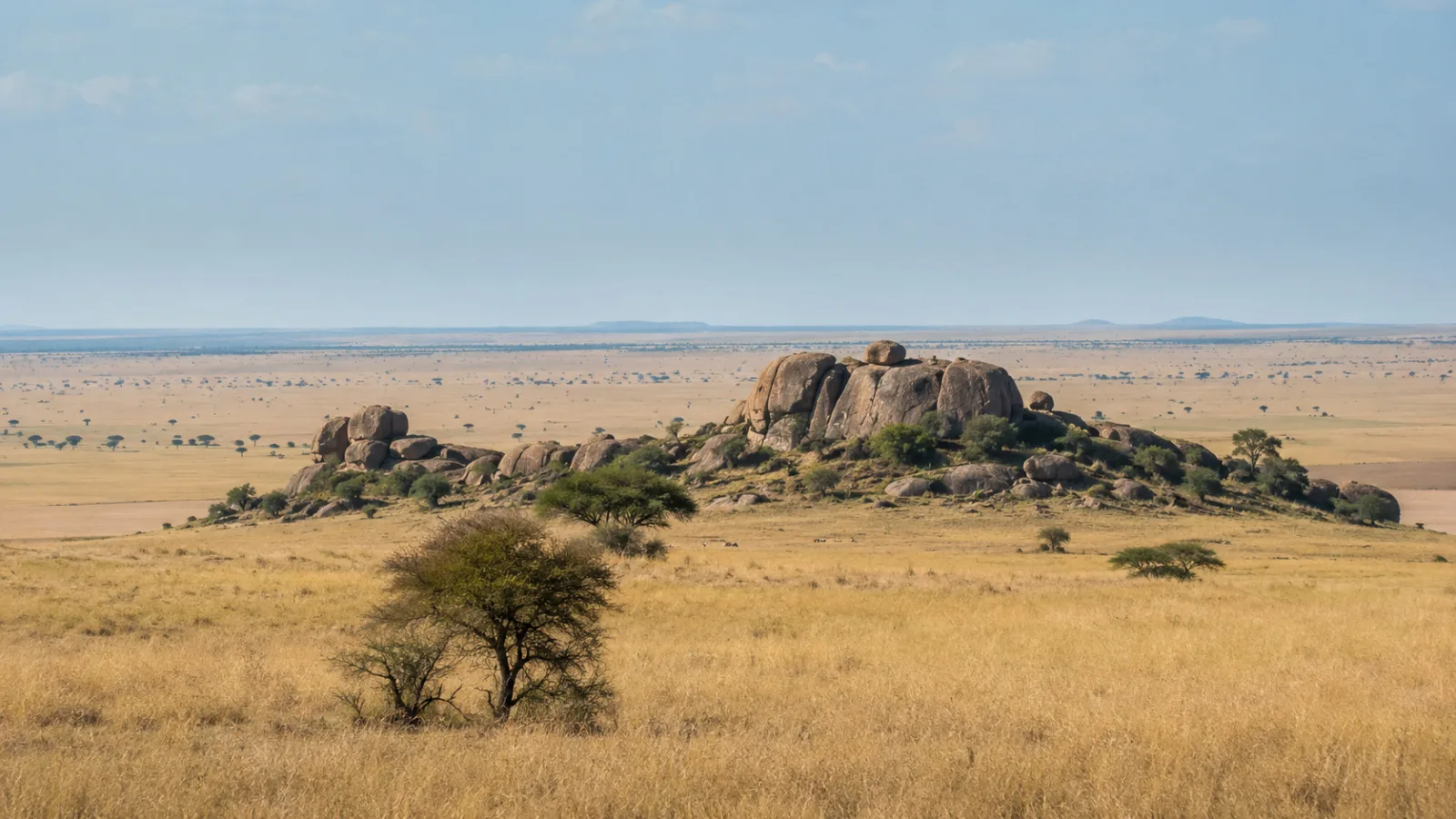
Kopjes Kopjes
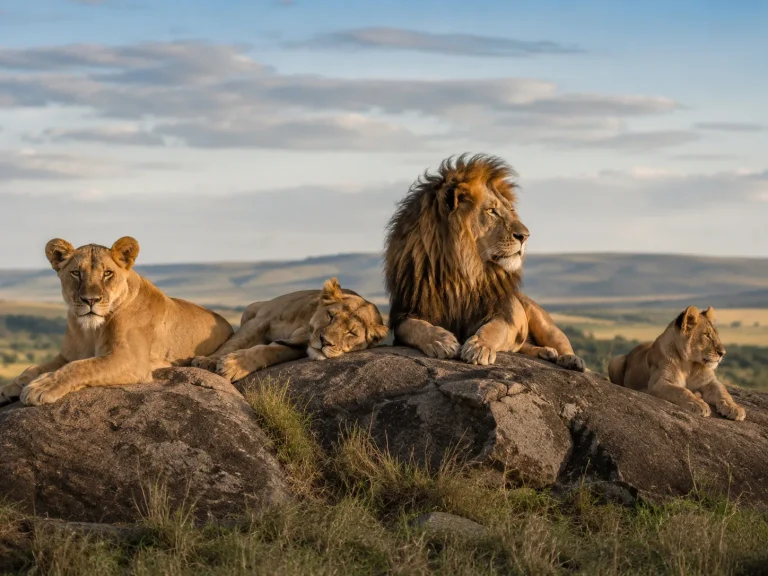
are unique rock formations scattered across the Serengeti Plains. These rocky outcrops provide vantage points for predators and offer shelter and nesting sites for various bird species. The kopjes also create interesting landscapes and are popular spots for wildlife viewing and photography.
Birdwatching Serengeti National Park
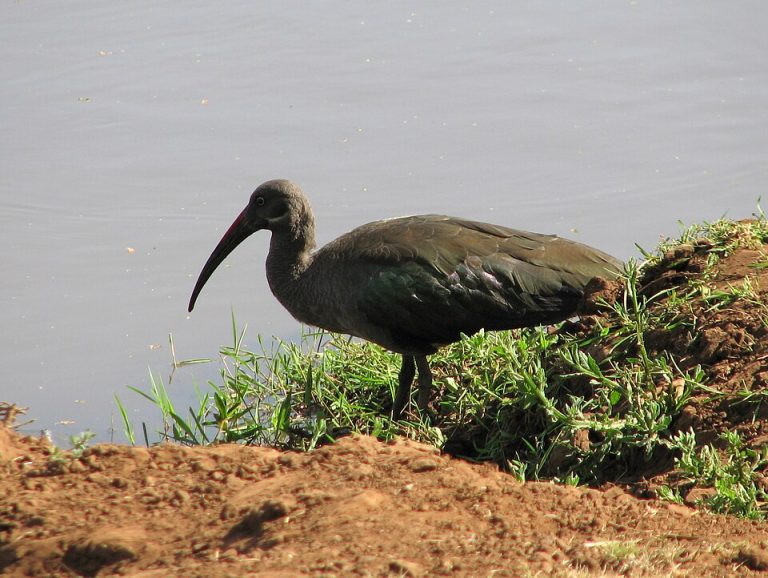
is a birdwatcher's paradise, with over 500 recorded bird species. Notable species include the secretary bird, the kori bustard, and the lilac-breasted roller. The park's diverse habitats offer excellent opportunities for spotting both resident and migratory birds.
Ngorongoro Crater
The Ngorongoro Crater, a massive volcanic caldera, is the crown jewel of the conservation area. Formed millions of years ago, the crater is one of the world's largest inactive volcanic calderas, measuring about 19 kilometers (12 miles) in diameter. The crater's floor is home to a dense concentration of wildlife, including elephants, lions, zebras, and rhinos, providing exceptional game viewing opportunities.
Wildlife Diversity
The Ngorongoro Crater's fertile environment supports a diverse array of wildlife. The caldera's lush grasslands, wetlands, and forests create an ideal habitat for a wide range of species. Visitors can expect to see large herds of wildebeest and buffalo, as well as predators such as lions, cheetahs, and hyenas. The crater also houses a small population of critically endangered black rhinos.
Cultural Heritage
The Ngorongoro Conservation Area is home to the Maasai people, who live in harmony with the land and its wildlife. The Maasai's traditional way of life, characterized by their vibrant culture and unique customs, offers visitors a glimpse into the rich cultural heritage of the region. Cultural tours provide opportunities to engage with Maasai communities, learn about their traditions, and experience their daily life.
Highlands and Scenic Views
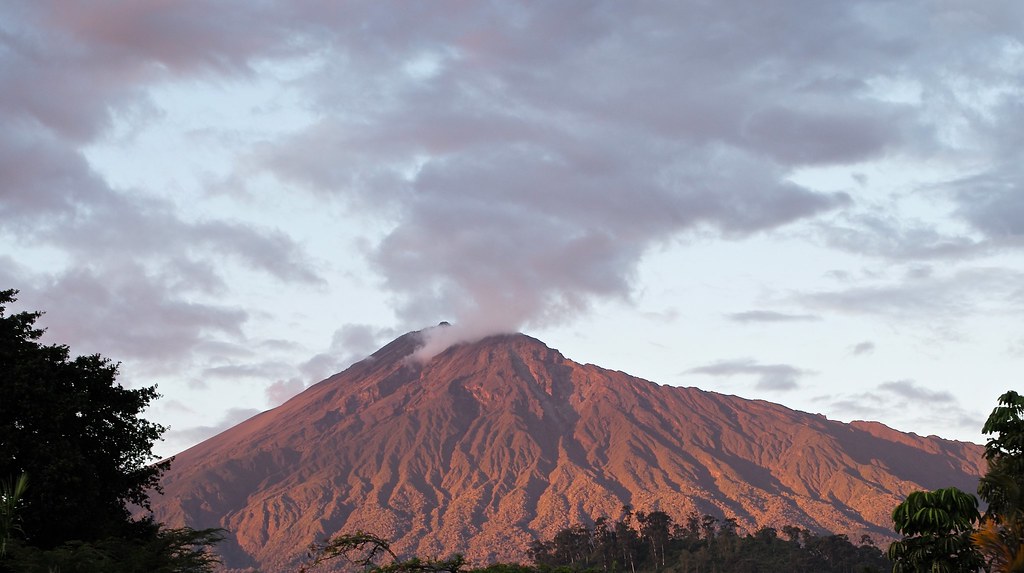
The highlands surrounding the Ngorongoro Crater offer breathtaking scenic views and a cooler climate compared to the surrounding lowlands. The lush landscapes, including the Empakaai Crater and the Ol Doinyo Lengai volcano, provide excellent opportunities for hiking and exploring the diverse environments of the conservation area.
Birdwatching
The Ngorongoro Conservation Area is a birdwatcher's paradise, with over 500 recorded bird species. The varied habitats within the area support both resident and migratory birds. Notable species include the flamingos of Lake Magadi, the raptor species of the highlands, and the colorful turacos.
Practical planning
Useful before you go
Best time
The Ngorongoro Conservation Area can be visited year-round, but the dry season (June to October) is ideal for wildlife viewing as animals are more concentrated around water sources. The wet season (November to May) offers lush landscapes and fewer tourists, though rains can affect travel conditions.
Getting there
The conservation area is accessible by road from Arusha, approximately a 3-4 hour drive. Many visitors also combine their visit with safaris to nearby Serengeti National Park or Lake Manyara National Park. Scheduled flights to nearby airstrips are available.
Packing
Bring lightweight, breathable clothing suitable for both hot days and cooler evenings. Sturdy walking shoes, a camera, binoculars, sunscreen, insect repellent, and a hat are essential. A light rain jacket is also recommended if visiting during the wet season.
Stay
Serengeti National Park offers a range of accommodation options, from luxury lodges and tented camps to more budget-friendly choices. Many lodges and camps are strategically located to provide easy access to key wildlife viewing areas and the Great Migration. Whether you prefer the comfort of a high-end lodge or the adventure of a mobile camp, there are options to suit all preferences. Accommodation options within and around the Ngorongoro Conservation Area range from luxury lodges and tented camps to more budget-friendly choices. Many lodges and camps offer stunning views of the crater or the surrounding highlands and provide convenient access to key attractions. It is advisable to book accommodation in advance, especially during peak seasons.
Gallery
A sense of place
Experiences
Ways to experience the place
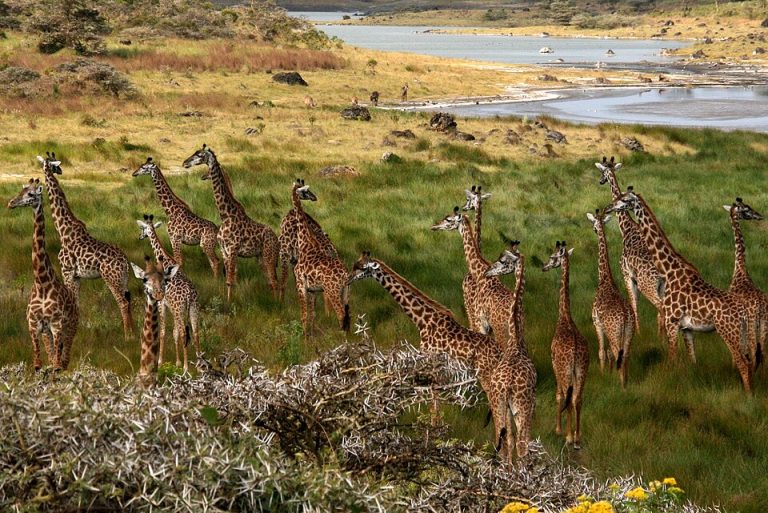
Description:The quintessential Serengeti experience – guided by expert driver-guides who know the park's rhythms intimately. Witness lions lounging in the shade, cheetahs sprinting after prey, giraffes silhouetted against the horizon, and massive herds grazing under watchful skies.
Description:Follow one of nature's most awe-inspiring spectacles – the movement of over 1.5 million wildebeest, accompanied by zebra and gazelle, in their timeless cycle between the Serengeti and the Masai Mara. Depending on the season, this can mean calving season in Ndutu (Jan-Feb) or river crossings in the Grumeti/Mara River areas (June-July).
Description:Float silently over the Serengeti plains at sunrise, watching herds move like rivers across the grasslands. The experience concludes with a bush-side champagne breakfast under the acacias – a rare and romantic safari indulgence.
Description:Step out of the vehicle and experience the Serengeti on foot with a professional walking guide and armed ranger. Learn to track wildlife, read animal signs, and connect with the smaller wonders of the savannah – from bird calls to medicinal plants.
Description:Visit a traditional Maasai boma (village) and learn about one of East Africa's most iconic cultures. Participate in traditional dances, observe beadwork craftsmanship, and hear stories of the Maasai's deep relationship with the land and wildlife.
Description:End your safari day with cocktails or fine wines served in a secluded wilderness spot, as the Serengeti sky transforms into a canvas of fiery reds and golds. Often paired with canapés and a short twilight game drive.
Description:Tailored itineraries with specially modified vehicles and guides trained in wildlife photography. Guests receive more time at sightings, optimal positioning, and assistance with photography techniques.
Description:Discover the Serengeti's birdlife, from the Kori bustard and secretary bird to over 500 migratory and resident species. Best during the green season when the park blooms and birds are in breeding plumage.
Description:For ultimate privacy, a mobile luxury camp moves with you to prime wildlife locations, particularly during the migration. Guests enjoy a fully staffed camp with bespoke menus, private vehicles, and complete flexibility in game drives.
3. Ngorongoro Crater Although technically a separate location, the Ngorongoro Crater is often visited in conjunction with the Serengeti. This UNESCO World Heritage Site is a massive caldera that harbors a diverse array of wildlife within its lush, fertile basin. The crater's unique environment provides excellent game viewing opportunities and a striking contrast to the Serengeti's open plains.
3. Olduvai Gorge Olduvai Gorge, often referred to as the "Cradle of Mankind," is a key archaeological site within the conservation area. The gorge has yielded some of the world's most important fossil discoveries, including early human ancestors and ancient tools. Visitors can explore the Olduvai Museum to learn about the area's paleontological significance and view exhibits on early human evolution.
Serengeti National Park offers an unparalleled safari experience with its vast landscapes, abundant wildlife, and the dramatic spectacle of the Great Migration. Whether you're witnessing the movement of millions of wildebeest or exploring the park's diverse ecosystems, the Serengeti promises a truly unforgettable adventure in one of Africa's most iconic natural settings.
Ngorongoro Conservation Area offers a captivating combination of geological wonders, diverse wildlife, and rich cultural experiences. With its stunning crater, abundant wildlife, and significant archaeological sites, the conservation area provides a truly memorable adventure and a deep connection to both nature and human history.