Arusha National Park
Arusha National Park, located in northern Tanzania, is a gem known for its stunning landscapes, diverse wildlife, and unique attractions. Unlike the larger and more famous parks, Arusha offers a more intimate safari experience, perfect for
At a glance
Useful facts for planning
In this guide
Why go
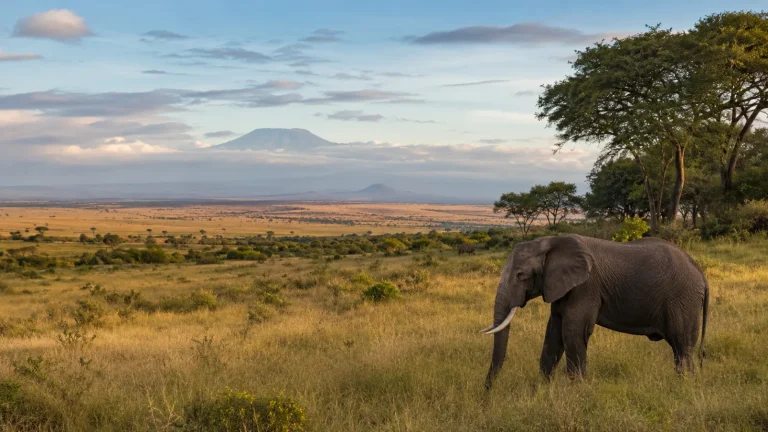
Arusha National Park, located in northern Tanzania, is a gem known for its stunning landscapes, diverse wildlife, and unique attractions. Unlike the larger and more famous parks, Arusha offers a more intimate safari experience, perfect for day trips or as a starting point for longer adventures in the region.
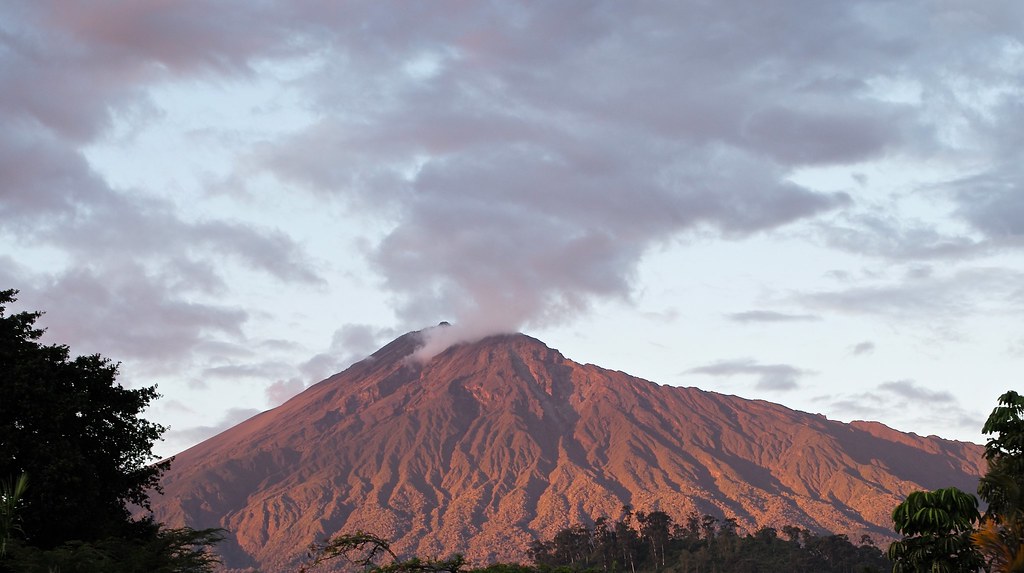
Arusha National Park encompasses a variety of habitats, from the lush rainforests of Mount Meru to the serene Momella Lakes and the vast Ngurdoto Crater. This diversity supports a wide range of flora and fauna, making the park a haven for nature enthusiasts.
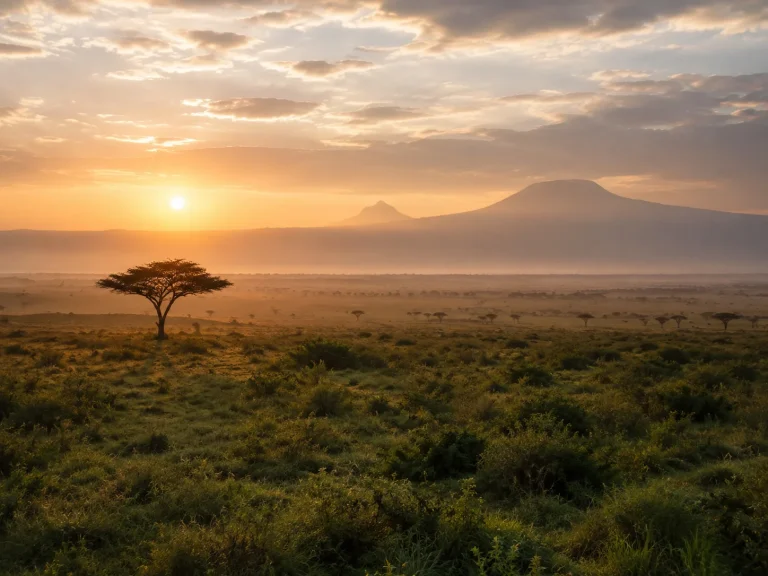
Mount Meru: Standing at 4,566 meters, it is Tanzania's second-highest peak. The slopes of Mount Meru are covered in dense forests, home to various wildlife and offering excellent hiking opportunities.
Practical planning
Useful before you go
Stay
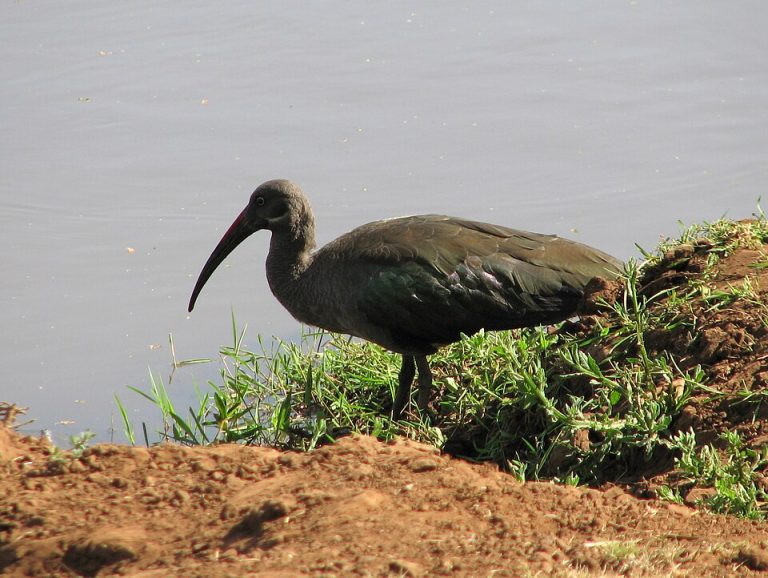
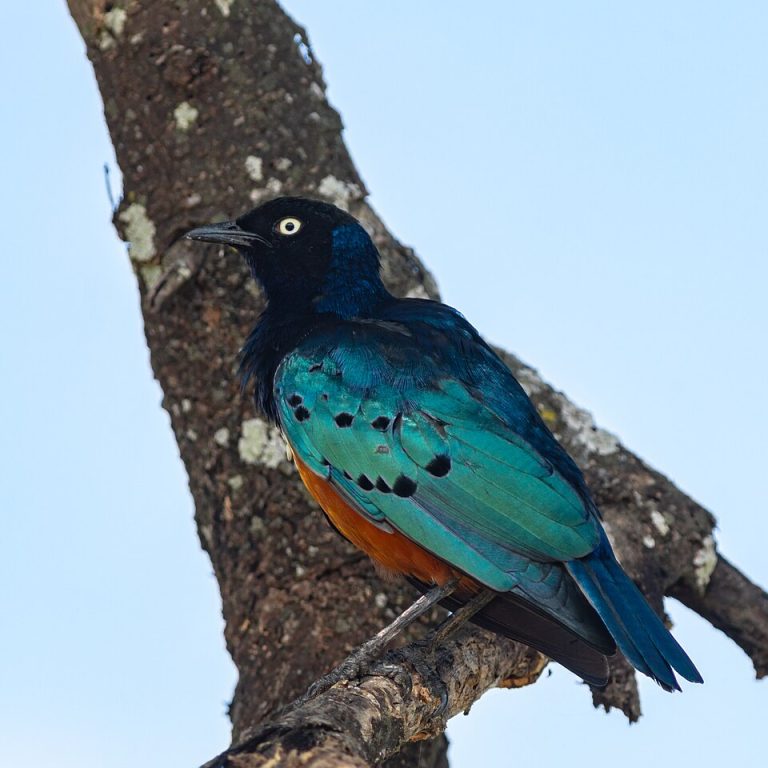
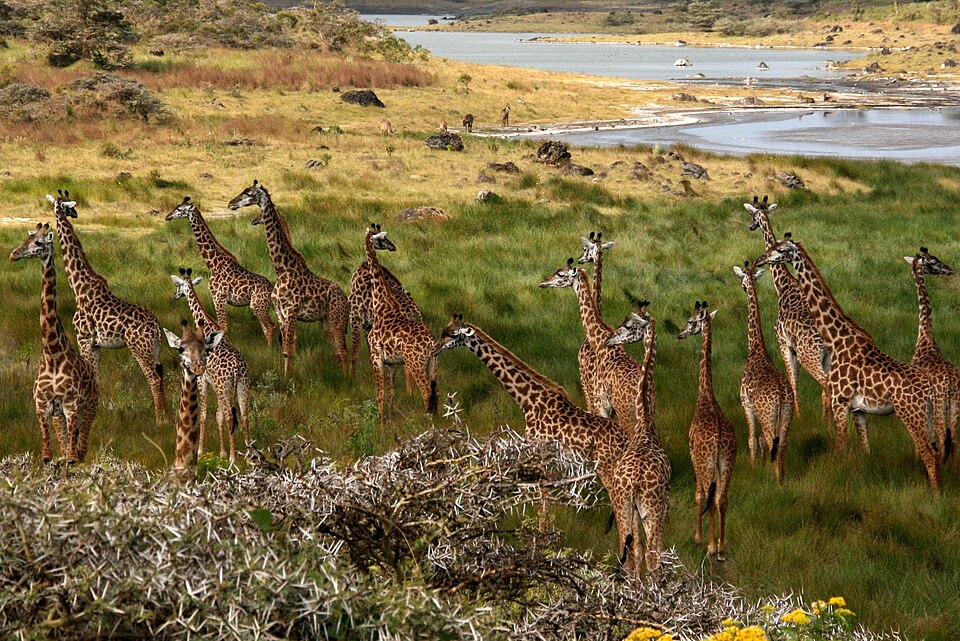
s While Arusha National Park is often visited on day trips from Arusha town, there are several accommodation options for those wishing to stay longer: Luxury Lodges: There are luxury lodges offering comfortable stays with stunning views of Mount Meru and the park's landscapes. Mid-range and Budget Options: Various mid-range and budget accommodations are available in and around Arusha town, providing convenient access to the park. Best Time to Visit The best time to visit Arusha National Park is during the dry seasons, from June to October and December to March. During these times, wildlife is easier to spot as animals gather around water sources, and the weather is ideal for outdoor activities. Getting There Arusha National Park is conveniently located just 25 kilometers east of Arusha town, making it easily accessible by road. Kilimanjaro International Airport is also nearby, providing good connectivity for international travelers. Arusha National Park is a diverse and accessible destination that offers a unique safari experience. Whether you're looking to explore its stunning landscapes, embark on an adventurous trek up Mount Meru, or simply enjoy the rich wildlife, Arusha National Park has something for everyone. Its proximity to Arusha town and other major parks makes it an excellent addition to any Tanzanian safari itinerary. Arusha National Park – Experiences, Timings, and Market Fit Arusha National Park, nestled at the foothills of Mount Meru in northern Tanzania, offers one of East Africa's most diverse and compact wildlife experiences. Just a short drive from Arusha city and Kilimanjaro International Airport, the park's unique blend of volcanic landscapes, lush forests, open savannahs, and shimmering lakes makes it a prime choice for travelers seeking both adventure and serenity. With activities ranging from classic game drives to immersive walking safaris, the park caters to a wide spectrum of visitors – from luxury leisure travelers to active adventure seekers, family holidaymakers, and special interest groups such as birdwatchers and photographers. Morning Game Drive & Wildlife Viewing A classic morning safari in Arusha National Park begins at approximately 08:00 hrs, when the air is crisp, the light is golden, and wildlife activity is at its peak. Visitors set out in customized safari vehicles, exploring key areas such as the Ngurdoto Crater – often referred to as the "Little Ngorongoro" – and the Momella Lakes, which shimmer in hues of green and blue. The drive offers opportunities to spot giraffes browsing acacia trees, herds of buffalo grazing in the open grasslands, warthogs scurrying across the tracks, and the occasional sighting of elusive leopards or hyenas. This excursion aligns particularly well with short-stay visitors, business travelers with limited time, and photography enthusiasts looking to capture early-morning wildlife against dramatic backdrops. Walking Safari – A Close-Up Encounter By mid-morning, from approximately 10:30 hrs to 13:00 hrs, guests can embark on a guided walking safari – a signature experience that sets Arusha National Park apart from many other Tanzanian parks. Accompanied by an armed ranger, visitors tread quietly along forest trails at the base of Mount Meru, spotting colobus monkeys leaping between fig trees, listening to the calls of Hartlaub's turaco, and learning about medicinal plants and animal tracking techniques. The walking safari appeals strongly to active adventure seekers, nature lovers, and educational travel groups who value immersive, low-impact exploration and personal connection with the environment. Canoeing on the Momella Lakes In the early afternoon, typically between 14:00 hrs and 16:00 hrs, a peaceful canoeing excursion offers a different perspective of the park. Gliding silently across the calm waters of the Momella Lakes, guests can approach flocks of flamingos, observe hippos wallowing at a safe distance, and watch waterbirds such as African fish eagles swooping overhead. This experience is ideal for honeymoon couples seeking tranquility, family travelers looking for safe and gentle activities, and special interest markets such as birdwatchers and eco-tourists who prioritize quiet, nature-rich encounters. Mount Meru Trekking & High-Altitude Hiking For the active and physically fit traveler, Arusha National Park is the gateway to Mount Meru – Africa's fifth-highest peak and a stunning, less-crowded alternative to Kilimanjaro. Multi-day treks can be arranged, starting from the Momella Gate with daily departures in the early morning, generally between 08:00 hrs and 09:00 hrs. Shorter half-day or full-day high-altitude hikes are also available for those not attempting the full summit but wishing to experience panoramic viewpoints, montane forests, and alpine meadows. This activity resonates with adventure tourism markets, trekking clubs, and health-conscious travelers seeking active holidays. Birdwatching Expeditions The park's ecological diversity supports over 400 bird species, making it a year-round haven for birding enthusiasts. Early mornings between 06:30 hrs and 09:30 hrs are prime for spotting waterbirds around the Momella Lakes, forest species in the montane woodlands, and raptors soaring above Ngurdoto Crater. Guided birding tours, led by ornithological experts, attract high-value niche markets such as avian researchers, birding tour operators, and specialist wildlife photographers. Cultural Extensions & Community Visits While not located within the park boundaries, nearby cultural experiences can be seamlessly integrated into a day's itinerary. In the late afternoon, typically after 16:00 hrs, visitors can meet local communities around Arusha, learning about traditional farming, handicrafts, and Chagga or Meru cultural heritage. This appeals to responsible travel markets, voluntourism programs, and culturally curious travelers who value authentic human connections alongside wildlife encounters. Market Segment Alignment Arusha National Park's diversity of activities allows it to cater to multiple travel segments. The short-stay business traveler benefits from its proximity to Arusha city and airports, making half-day and full-day excursions easy to integrate into tight schedules. The family leisure market enjoys safe, varied, and educational experiences such as canoeing and walking safaris. Luxury and honeymoon travelers are drawn to its scenic beauty and exclusive, low-density activities, often combined with boutique lodges and private guiding. Adventure and active holidaymakers seek high-altitude hikes and multi-day Mount Meru treks. Niche markets such as birdwatchers, photographers, and eco-tourists find year-round appeal due to the park's ecological diversity and accessibility. Olduvai Gorge Olduvai Gorge, also known as Oldupai Gorge, is one of the world's most significant paleoanthropological sites. Located in the Great Rift Valley in Tanzania, this site has provided invaluable insights into early human evolution, offering a glimpse into the lives of our ancient ancestors. Geological Significance Olduvai Gorge is part of the Ngorongoro Conservation Area and is a UNESCO World Heritage Site. The gorge is approximately 48 kilometers long and 90 meters deep, revealing layers of volcanic rock that have preserved an extensive record of human activity and environmental changes over the past 2 million years. The geological formations here include volcanic beds that date back to the Pliocene Epoch, providing a unique record of past environments and fossilized fauna. Paleoanthropological Discoveries Olduvai Gorge is renowned for its rich fossil beds, which have yielded some of the most important hominid fossils ever discovered. The site has produced numerous specimens of early human ancestors, including Homo habilis, Homo erectus, and Paranthropus boisei. The discoveries made at Olduvai Gorge have significantly advanced our understanding of human evolution and the development of early human tool use. Notable Excavations and Findings The first major excavations at Olduvai Gorge were conducted by Louis and Mary Leakey in the 1930s. Their work led to the discovery of Homo habilis, one of the earliest members of the human genus, as well as numerous stone tools and animal bones with cut marks, indicating the use of tools for butchering. One of the most famous findings at Olduvai Gorge is the "Zinjanthropus" skull, also known as Paranthropus boisei, discovered by Mary Leakey in 1959. This robust australopithecine species is characterized by its large molars and strong jaw, adapted for a diet of tough vegetation. Environmental and Ecological Context Olduvai Gorge provides a detailed record of the environmental changes that have occurred over millions of years. The stratigraphy of the site includes layers of volcanic ash, lake sediments, and river deposits, which have helped researchers reconstruct ancient climates and habitats. The presence of various fossilized animals, including large mammals like elephants, hippos, and antelopes, indicates a rich and diverse ecosystem that supported early human populations. Importance to Human Evolution The discoveries at Olduvai Gorge have been instrumental in understanding the timeline of human evolution. The evidence of tool use and the variety of hominid species found at the site suggest that early humans were highly adaptable and capable of exploiting different environments. The site has also provided crucial information about the migration patterns of early humans and their interactions with other species. Olduvai Gorge continues to be a focal point for paleoanthropological research, offering new insights into the origins and development of our species. The site's rich fossil record and well-preserved geological layers make it an invaluable resource for scientists studying human evolution and the history of life on Earth. Olduvai Gorge – The Cradle of Mankind Experience OverviewOlduvai Gorge, often referred to as "The Cradle of Mankind," is one of the world's most significant paleoanthropological sites, located in the eastern Serengeti Plains of northern Tanzania. It is here that some of the earliest evidence of human evolution was discovered, including fossilized remains dating back nearly 2 million years. The site is a UNESCO World Heritage treasure, offering visitors a rare opportunity to step back in time and witness the origins of humankind. The gorge spans approximately 48 kilometers in length and is flanked by majestic landscapes, offering not only a journey into ancient history but also breathtaking views of the African wilderness.
Gallery
A sense of place
Experiences
Ways to experience the place
is not simply a stopover – it is a scientific landmark where the story of humanity is written in stone. The discovery of Homo habilis remains, fossilized animal bones, and ancient tools here changed our understanding of human origins forever. Visitors gain exclusive access to the actual landscapes where pioneering excavations took place, bringing history out of the textbooks and into real life.
Ask about this experienceExpert-led interpretation Interaction with active archaeological teams (subject to availability) Immersive geological and historical storytelling