Katavi National Park
Katavi National Park, located in western Tanzania, is one of the country's most remote and pristine wilderness areas. Covering approximately 4,471 square kilometers, Katavi is renowned for its vast landscapes, abundant wildlife, and minimal
At a glance
Useful facts for planning
In this guide
Why go
Katavi National Park: Tanzania's Untouched Wilderness
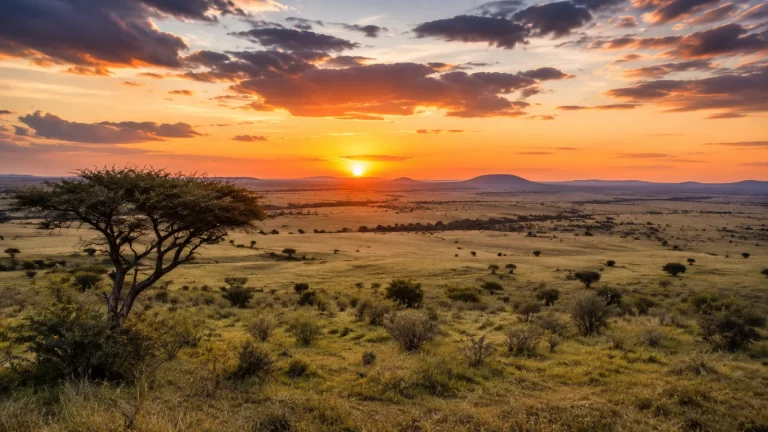
Katavi National Park, located in western Tanzania, is one of the country's most remote and pristine wilderness areas. Covering approximately 4,471 square kilometers, Katavi is renowned for its vast landscapes, abundant wildlife, and minimal human impact. As a hidden gem in Tanzania's safari circuit, the park offers an authentic and adventurous experience for those seeking to explore Africa's untouched natural beauty.
Key attractions
What to look for
Abundant Wildlife
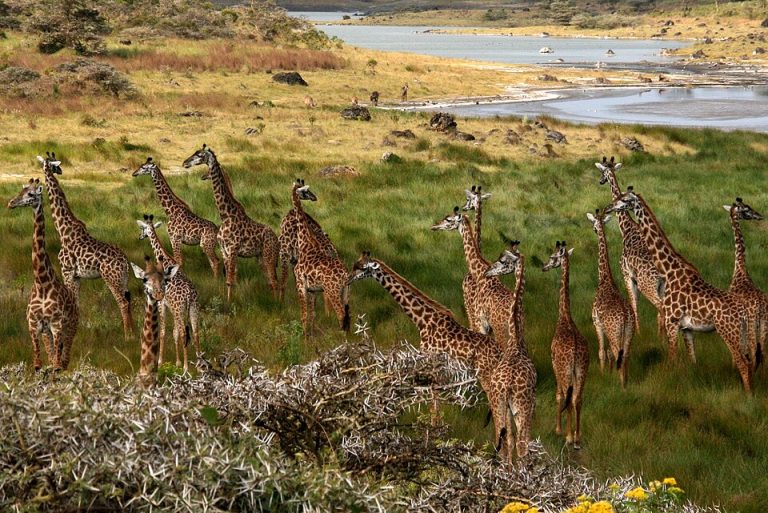
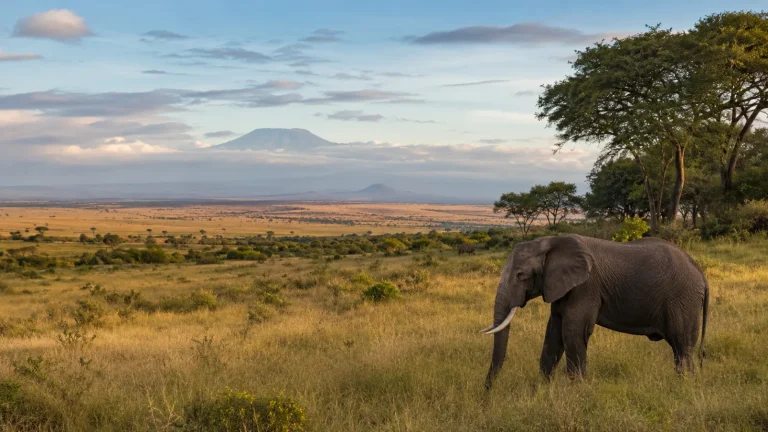
Katavi National Park is celebrated for its high concentrations of wildlife, particularly during the dry season. The park is home to large populations of elephants, buffaloes, hippos, and crocodiles, making it an excellent destination for game viewing. The seasonal floodplains attract thousands of animals, creating spectacular wildlife spectacles and interactions.
Katavi Floodplains
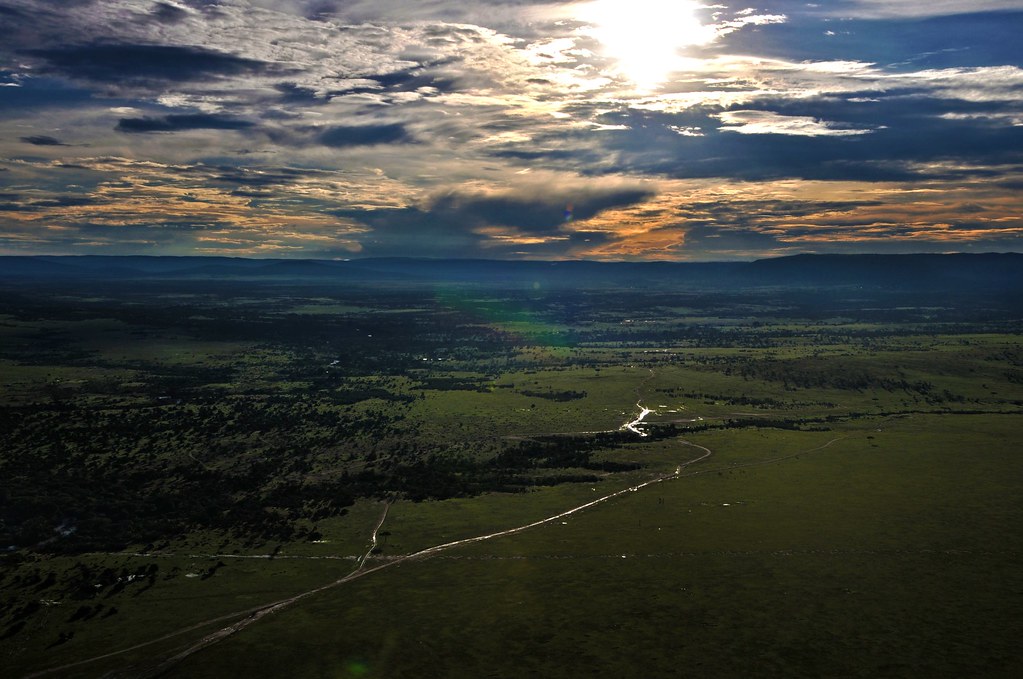
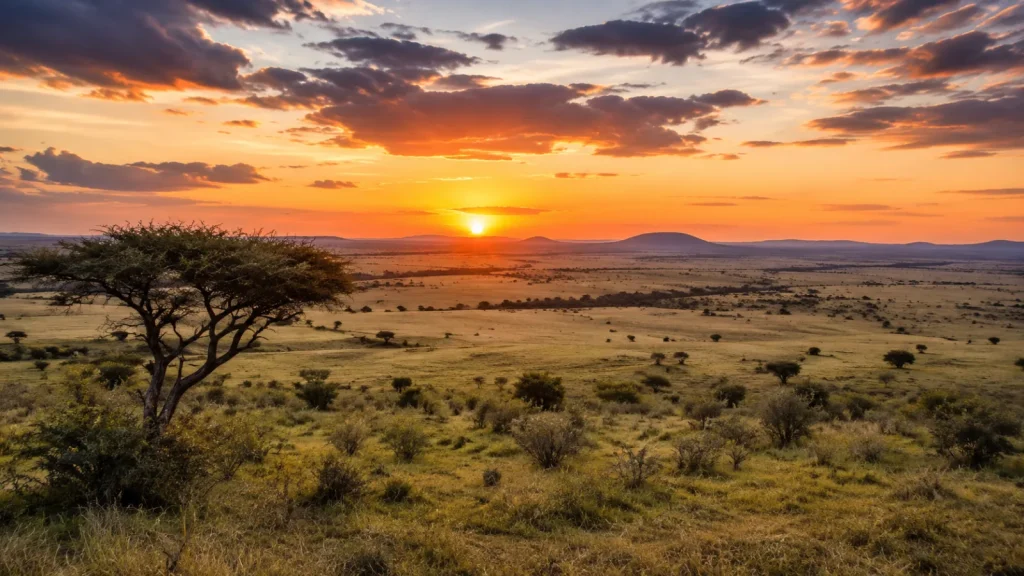
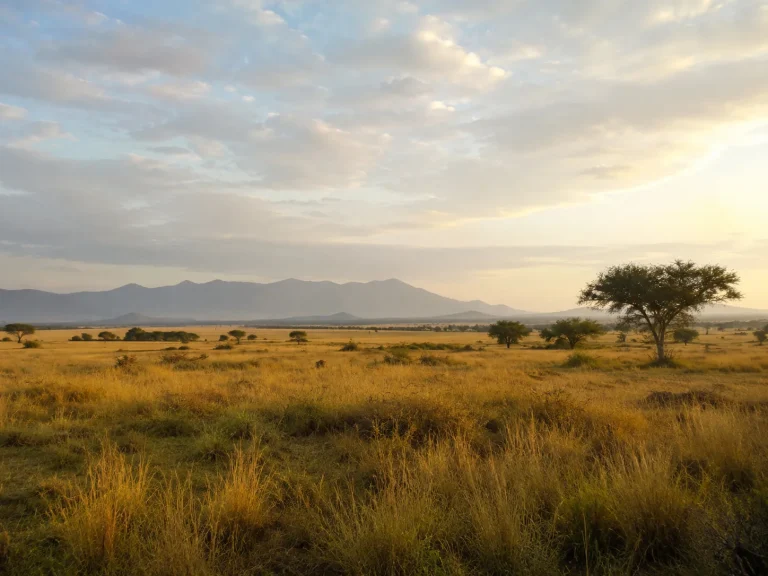
The Katavi Floodplains, one of the park's most striking features, are extensive grasslands that become a vital water source for wildlife during the dry season. These floodplains attract large herds of buffalo, wildebeest, and zebra, as well as predators such as lions and hyenas. The dynamic environment of the floodplains offers fantastic opportunities for wildlife observation and photography.
Hippo Pools Katavi
is famous for its impressive concentrations of hippos, especially in the park's various hippo pools. The pools are a focal point for wildlife activity and provide excellent viewing opportunities. Observing hippos in their natural habitat, along with their interactions with other animals, is a highlight for visitors to the park.
Pristine Wilderness
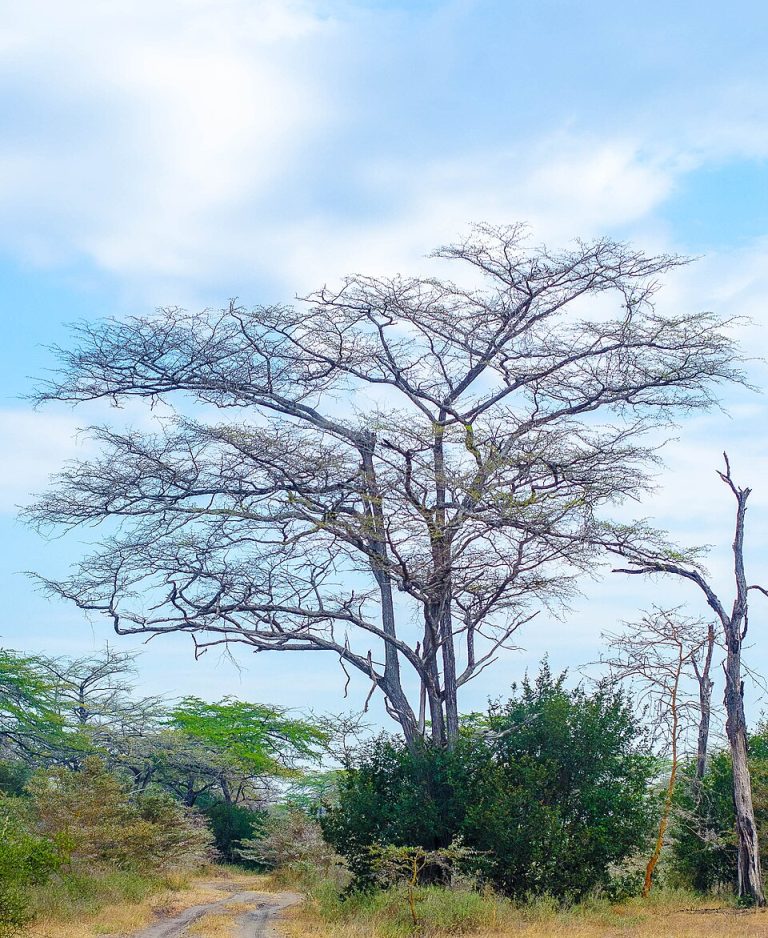
One of Katavi's defining characteristics is its pristine and remote wilderness. The park remains relatively untouched by mass tourism, offering visitors an authentic safari experience in a less frequented destination. The sense of solitude and the opportunity to explore unspoiled landscapes add to the park's appeal.
Birdwatching Katavi National Park
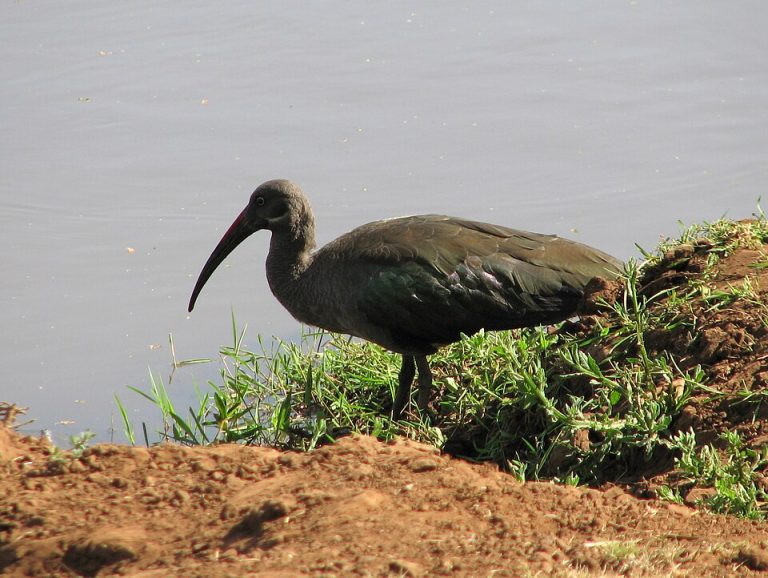
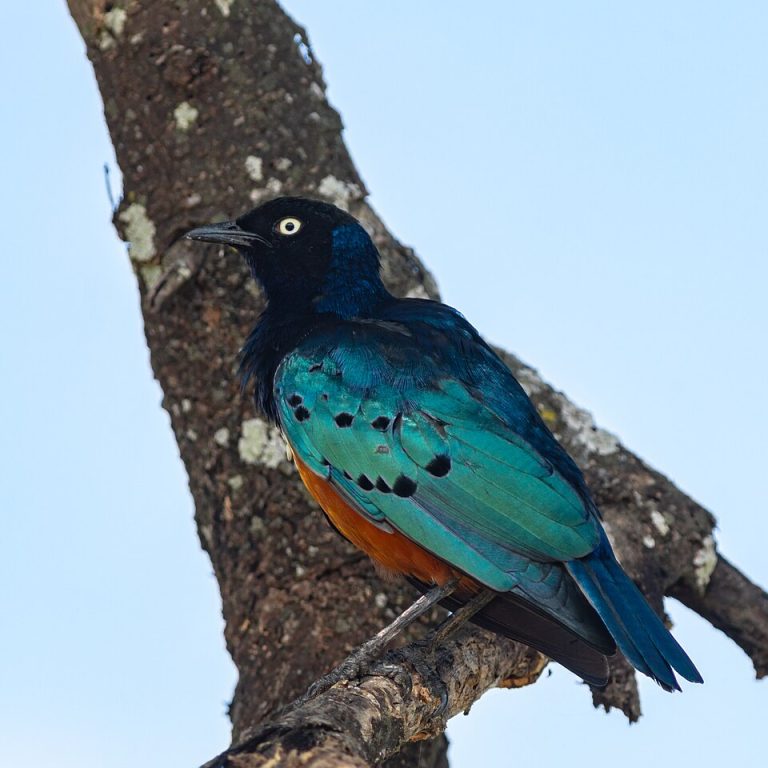
is a birdwatcher's paradise, with over 400 recorded bird species. The park's diverse habitats, including wetlands, savannahs, and forests, support a rich variety of birdlife. Notable species include the African fish eagle, the black-crowned night heron, and various waterfowl and raptors.
Seasonal Variations
The park's landscapes and wildlife dynamics vary significantly between the wet and dry seasons. During the wet season (November to April), the park becomes lush and green, with numerous water sources and active wildlife. The dry season (May to October) brings a concentration of animals around the remaining water sources, making it an ideal time for wildlife viewing.
Practical planning
Useful before you go
Best time
Katavi National Park can be visited year-round, but the dry season (May to October) is particularly favorable for wildlife viewing as animals gather around the floodplains and water sources. The wet season (November to April) brings lush landscapes and fewer tourists but may involve occasional rain.
Getting there
The park is accessible by scheduled flights from Arusha or Dar es Salaam to the airstrips near the park. Road access is limited, and many visitors choose to fly for convenience and time efficiency.
Packing
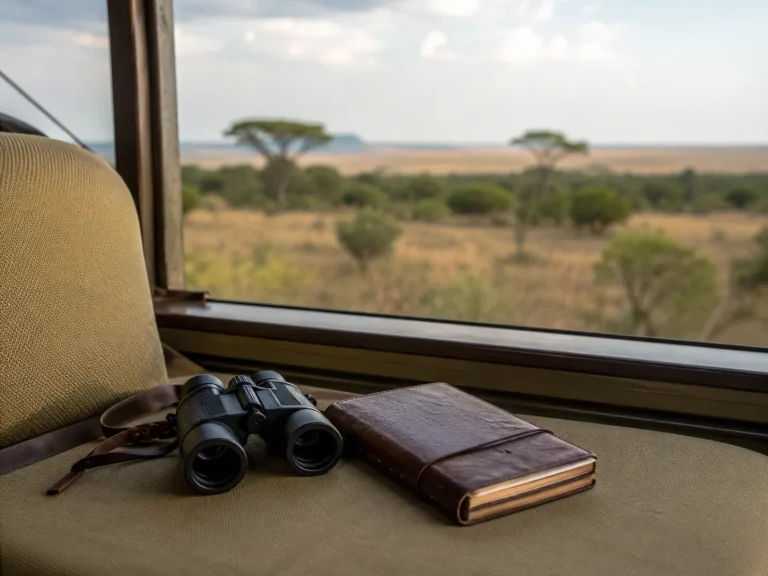
Bring lightweight, breathable clothing suitable for both hot days and cooler evenings. Sturdy walking shoes, a camera, binoculars, sunscreen, insect repellent, and a hat are essential. A light rain jacket is advisable if visiting during the wet season.
Stay
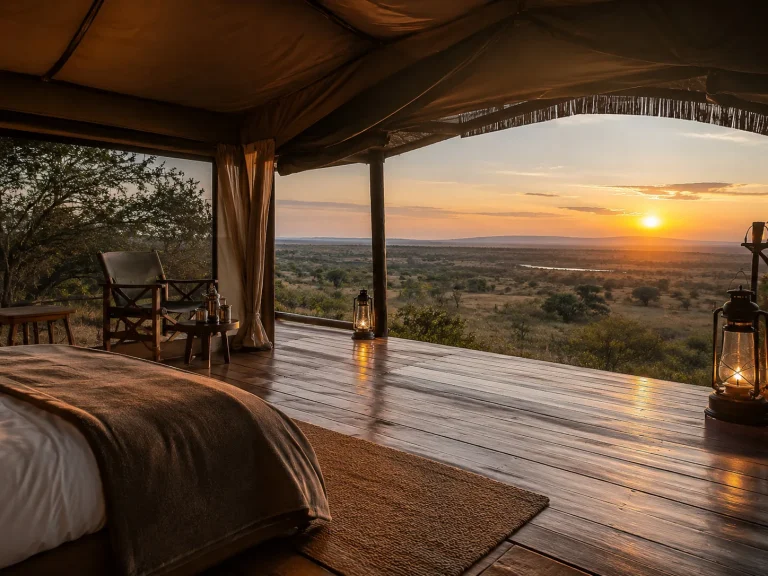
Accommodation in Katavi National Park includes luxury lodges and tented camps, often located in remote areas to provide an immersive experience. Due to the park's remote location, it is advisable to book accommodation well in advance. The limited number of lodges ensures an exclusive and intimate safari experience.
Gallery
A sense of place
Experiences
Ways to experience the place
Katavi National Park is celebrated for its high concentrations of wildlife, particularly during the dry season. The park is home to large populations of elephants, buffaloes, hippos, and crocodiles, making it an excellent destination for game viewing. The seasonal floodplains attract thousands of animals, creating spectacular wildlife spectacles and interactions.
Ask about this experienceThe Katavi Floodplains, one of the park's most striking features, are extensive grasslands that become a vital water source for wildlife during the dry season. These floodplains attract large herds of buffalo, wildebeest, and zebra, as well as predators such as lions and hyenas. The dynamic environment of the floodplains offers fantastic opportunities for wildlife observation and photography.
Ask about this experienceis famous for its impressive concentrations of hippos, especially in the park's various hippo pools. The pools are a focal point for wildlife activity and provide excellent viewing opportunities. Observing hippos in their natural habitat, along with their interactions with other animals, is a highlight for visitors to the park.
Ask about this experienceOne of Katavi's defining characteristics is its pristine and remote wilderness. The park remains relatively untouched by mass tourism, offering visitors an authentic safari experience in a less frequented destination. The sense of solitude and the opportunity to explore unspoiled landscapes add to the park's appeal.
Ask about this experienceis a birdwatcher's paradise, with over 400 recorded bird species. The park's diverse habitats, including wetlands, savannahs, and forests, support a rich variety of birdlife. Notable species include the African fish eagle, the black-crowned night heron, and various waterfowl and raptors.
Ask about this experienceThe park's landscapes and wildlife dynamics vary significantly between the wet and dry seasons. During the wet season (November to April), the park becomes lush and green, with numerous water sources and active wildlife. The dry season (May to October) brings a concentration of animals around the remaining water sources, making it an ideal time for wildlife viewing. Accommodation Options Accommodation in Katavi National Park includes luxury lodges and tented camps, often located in remote areas to provide an immersive experience. Due to the park's remote location, it is advisable to book accommodation well in advance. The limited number of lodges ensures an exclusive and intimate safari experience. Travel Tips Best Time to Visit: Katavi National Park can be visited year-round, but the dry season (May to October) is particularly favorable for wildlife viewing as animals gather around the floodplains and water sources. The wet season (November to April) brings lush landscapes and fewer tourists but may involve occasional rain. How to Get There: The park is accessible by scheduled flights from Arusha or Dar es Salaam to the airstrips near the park. Road access is limited, and many visitors choose to fly for convenience and time efficiency. What to Pack: Bring lightweight, breathable clothing suitable for both hot days and cooler evenings. Sturdy walking shoes, a camera, binoculars, sunscreen, insect repellent, and a hat are essential. A light rain jacket is advisable if visiting during the wet season. Katavi National Park offers a truly unique and unspoiled safari experience with its abundant wildlife, vast landscapes, and pristine wilderness. Whether you're exploring the floodplains, observing hippos in their natural habitat, or enjoying the park's remote beauty, Katavi promises an unforgettable adventure in one of Tanzania's hidden treasures. Katavi National Park – Tanzania's Untouched Wilderness OverviewKatavi National Park is Tanzania's third-largest national park and one of Africa's last truly remote safari frontiers. Located in the western region of the country, Katavi offers a raw, unspoiled wilderness where visitors experience wildlife encounters without the crowds. Its landscapes shift dramatically – from vast floodplains and seasonal lakes to acacia woodlands and palm-fringed savannahs – making it an irresistible choice for safari purists seeking exclusivity, authenticity, and solitude. The park is most renowned for its intense dry-season game concentrations along the Katuma River, Lake Katavi, and Lake Chada, attracting enormous pods of hippos, large crocodiles, and vast herds of buffalo and elephants. Predators, including lions, leopards, hyenas, and wild dogs, thrive here in an environment still dictated by the primal rhythm of nature. Signature Experiences & Excursion Details Classic Game Drives Morning and afternoon guided game drives provide unparalleled access to Katavi's floodplains, riverine habitats, and woodland areas. Morning drives typically start at 06:30, taking advantage of cooler hours when predators are most active. Afternoon drives often depart at 16:00, exploring the golden savannah as the sun sets, offering prime photography opportunities. In the dry season (June-October), drives along the Katuma River reveal intense predator-prey interactions, while wet season excursions (November-April) highlight lush landscapes and migratory birdlife. Guided Walking SafarisKatavi is one of the few parks where multi-hour guided walking safaris are possible, typically starting at 06:00-06:30 before the heat sets in. Walking safaris, led by armed rangers, immerse guests in the smaller details of the ecosystem – from tracking animal prints to observing birds, insects, and plant life up close. It's a thrilling, ground-level perspective for adventurous travelers seeking a deeper connection with the wilderness. Seasonal Hippo & Crocodile ViewingDuring the dry season, shrinking water sources force hippos and crocodiles into extraordinary concentrations – one of Katavi's most dramatic spectacles. Midday visits to key hippo pools (around 11:00) provide front-row views of territorial disputes, bellowing hippos, and basking crocodiles. Fly-Camping ExpeditionsFor guests craving complete immersion, multi-day fly-camping experiences are available during the dry season. Typically beginning in the late afternoon, travelers enjoy game drives to remote sites, followed by bush dinners under starlit skies. Nights are spent in lightweight tents with minimal infrastructure, blending luxury service with raw nature. Birdwatching ExcursionsKatavi is home to over 400 bird species. Early morning birdwatching walks (06:00 start) during the green season showcase migratory flocks, waders around the seasonal lakes, and vibrant species such as the lilac-breasted roller and saddle-billed stork. Scenic SundownersLate-afternoon drives often culminate in scenic sundowners (17:30-18:00) overlooking the plains or seasonal lakes, offering guests a relaxed moment to enjoy panoramic views and golden light over the wilderness. Seasonality & Activity Timings at a Glance
Katavi National Park offers a truly unique and unspoiled safari experience with its abundant wildlife, vast landscapes, and pristine wilderness. Whether you're exploring the floodplains, observing hippos in their natural habitat, or enjoying the park's remote beauty, Katavi promises an unforgettable adventure in one of Tanzania's hidden treasures.
OverviewKatavi National Park is Tanzania's third-largest national park and one of Africa's last truly remote safari frontiers. Located in the western region of the country, Katavi offers a raw, unspoiled wilderness where visitors experience wildlife encounters without the crowds. Its landscapes shift dramatically – from vast floodplains and seasonal lakes to acacia woodlands and palm-fringed savannahs – making it an irresistible choice for safari purists seeking exclusivity, authenticity, and solitude.
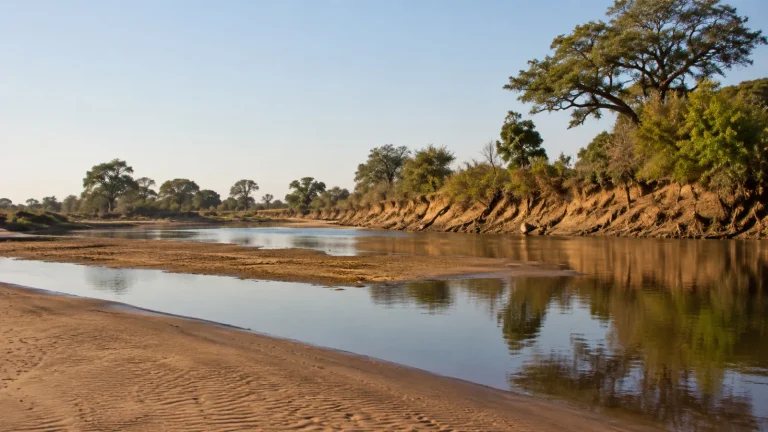
The park is most renowned for its intense dry-season game concentrations along the Katuma River, Lake Katavi, and Lake Chada, attracting enormous pods of hippos, large crocodiles, and vast herds of buffalo and elephants. Predators, including lions, leopards, hyenas, and wild dogs, thrive here in an environment still dictated by the primal rhythm of nature.