Selous National Park
Selous National Park, officially known as Nyerere National Park, is one of the largest and most remote wildlife reserves in Africa. Covering an area of approximately 50,000 square kilometers, it offers a unique and unspoiled safari experien
At a glance
Useful facts for planning
In this guide
Why go
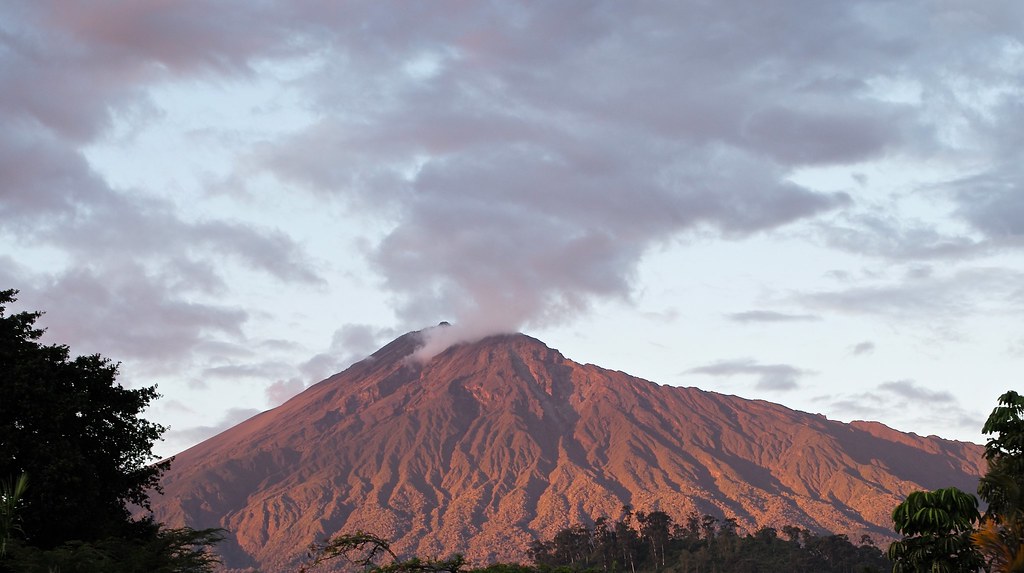
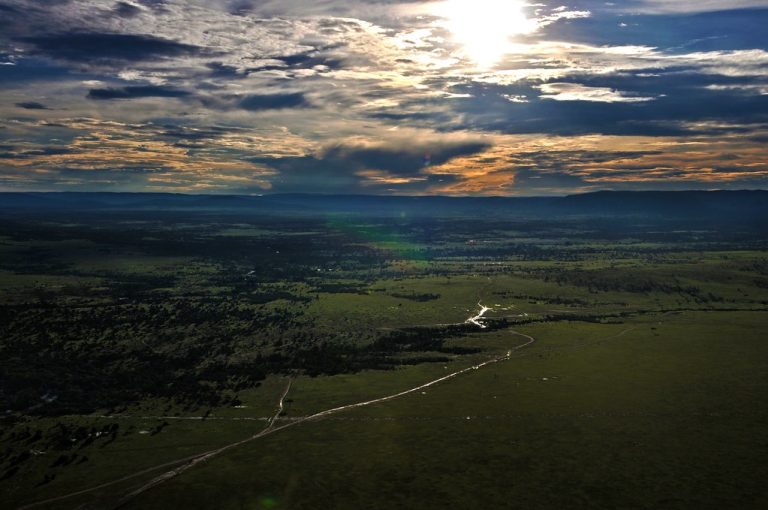
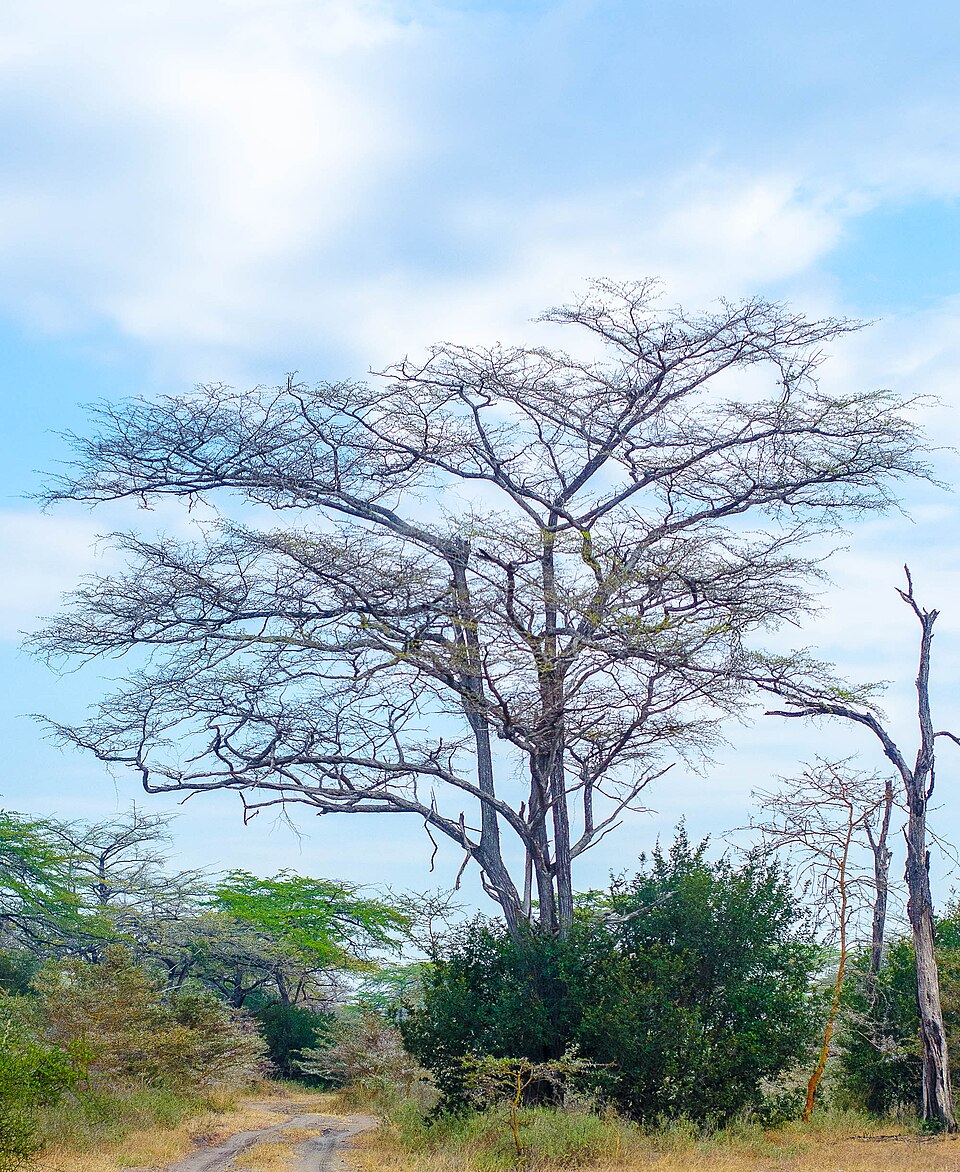
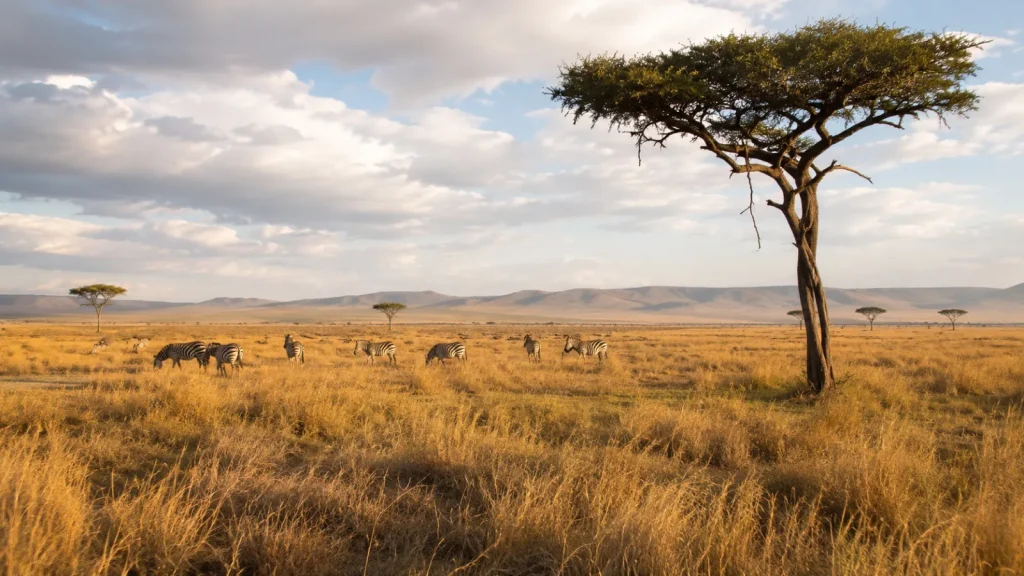
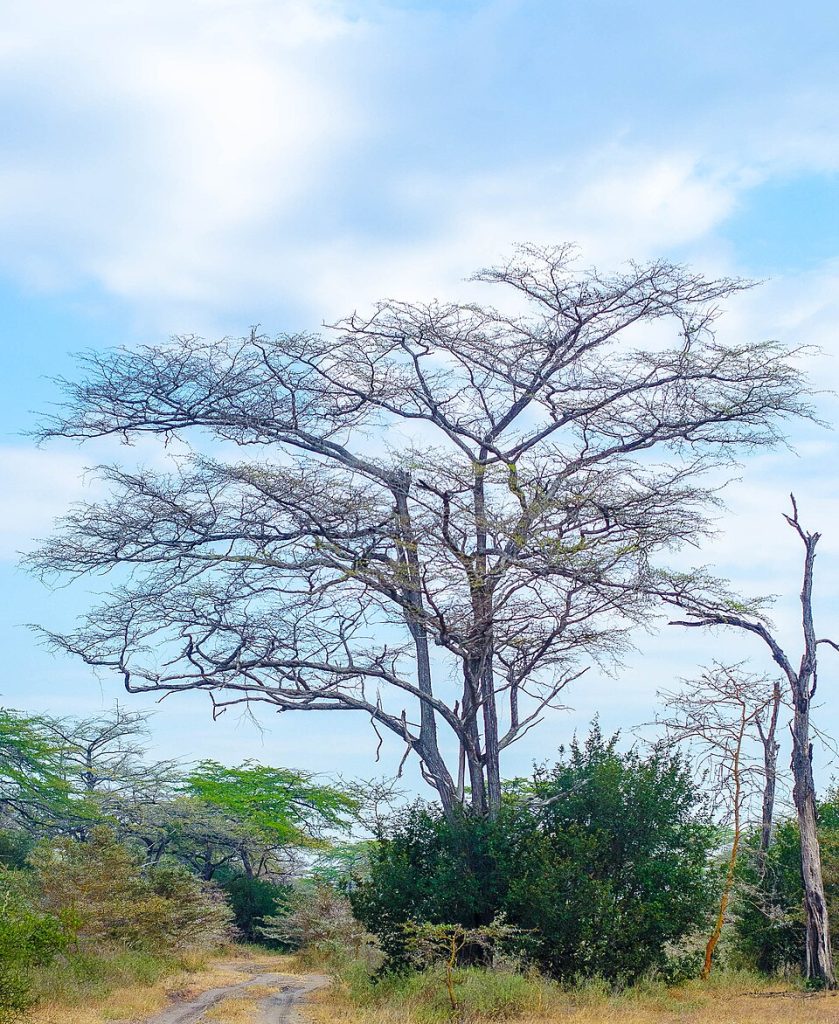
Selous National Park, officially known as Nyerere National Park, is one of the largest and most remote wildlife reserves in Africa. Covering an area of approximately 50,000 square kilometers, it offers a unique and unspoiled safari experience. Named after the famous British explorer and hunter Frederick Selous, this park is renowned for its diverse ecosystems, ranging from dense forests and swamps to open grasslands and riverine woodlands.
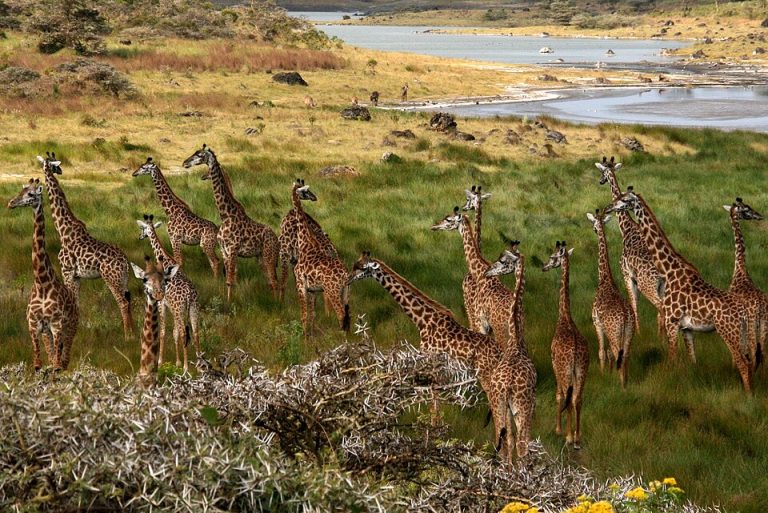
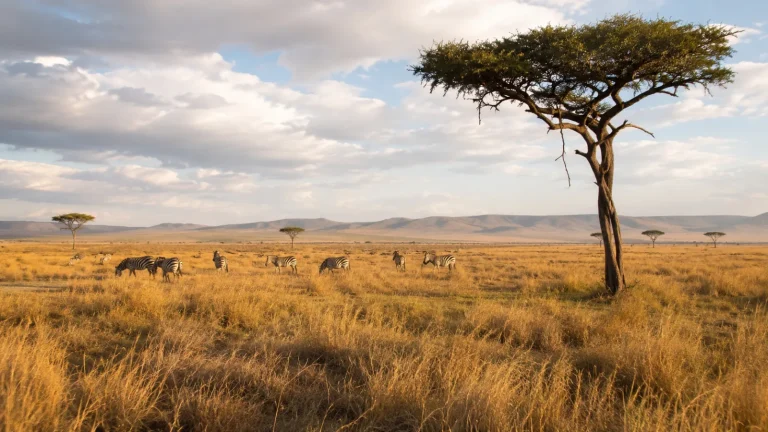
Selous National Park is a UNESCO World Heritage site due to its rich biodiversity. It is home to one of the largest populations of elephants in Tanzania, as well as significant numbers of black rhinos, hippos, and crocodiles. The park also boasts a variety of antelope species, giraffes, zebras, and African wild dogs, which are among the most sought-after sightings for wildlife enthusiasts.
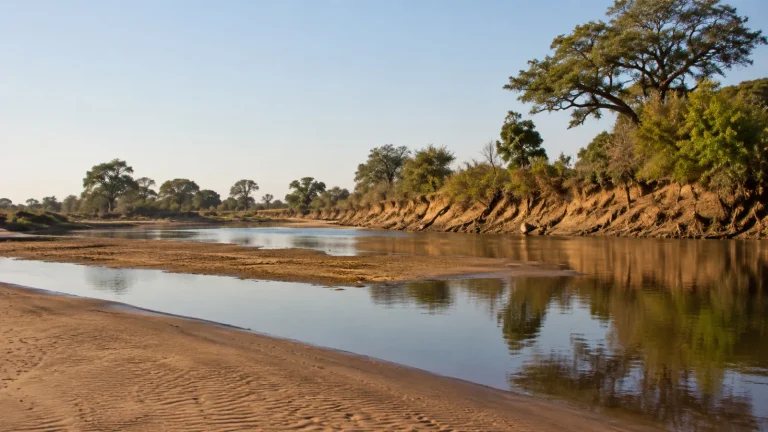
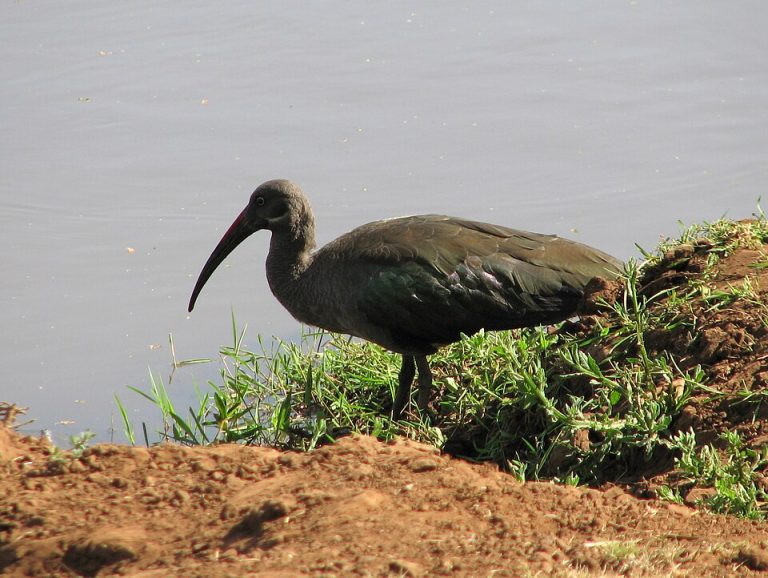
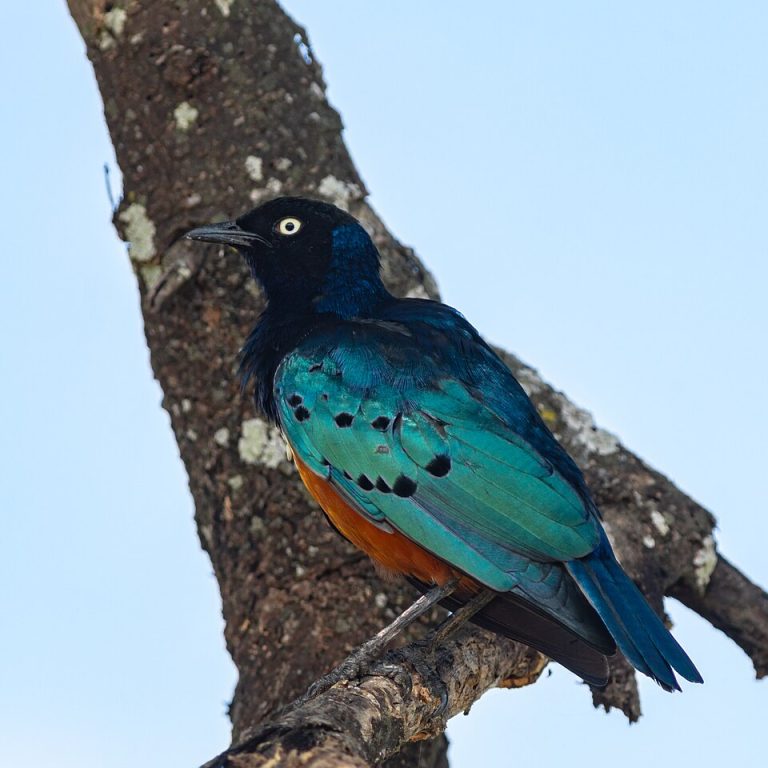
Birdwatchers will find Selous particularly rewarding, with over 440 bird species recorded. These include the African fish eagle, kingfishers, and the rare Pel's fishing owl. The Rufiji River, which flows through the park, is a lifeline for both wildlife and visitors, providing excellent opportunities for boat safaris.
Practical planning
Useful before you go
Stay
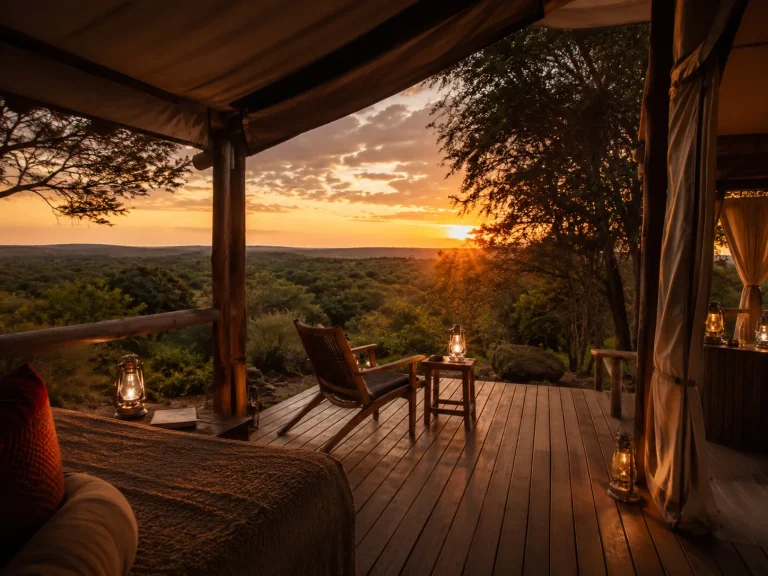
The park offers a variety of accommodation options, ranging from luxury lodges to tented camps. Some of the notable lodges include the Sand Rivers Selous, Siwandu Camp, and Beho Beho. These lodges provide comfortable amenities, excellent dining, and stunning views of the surrounding wilderness. For a more rustic experience, visitors can opt for mid-range tented camps such as Selous Impala Camp and Rufiji River Camp. These camps offer a closer connection to nature while still providing essential comforts. Best Time to Visit The best time to visit Selous National Park is during the dry season, from June to October. During this period, wildlife is more easily spotted as animals congregate around water sources. The dry season also offers pleasant weather conditions, making it ideal for game drives and walking safaris. The wet season, from November to May, brings lush landscapes and abundant birdlife, making it a great time for birdwatchers. However, some areas of the park may become inaccessible due to flooding, and game viewing can be more challenging. Conservation and Community Involvement Selous National Park is not only a haven for wildlife but also a critical area for conservation efforts. Various projects are in place to protect endangered species, combat poaching, and promote sustainable tourism. Visitors are encouraged to support these efforts by choosing eco-friendly lodges and participating in conservation programs. Local communities play a vital role in the park's conservation initiatives. Many lodges and camps work closely with nearby villages to provide employment opportunities, support education, and promote cultural exchanges. By involving local communities, these initiatives help ensure the long-term sustainability of Selous as a premier wildlife destination. Selous National Park offers a truly wild and authentic safari experience, far from the crowded northern circuits. Its vast landscapes, diverse wildlife, and range of activities make it an ideal destination for adventure seekers and nature lovers alike. Whether you're exploring by boat, on foot, or from the comfort of a safari vehicle, Selous promises an unforgettable journey into the heart of Tanzania's wilderness. Selous National Park – The Untamed Heart of Southern Tanzania "Where raw wilderness meets timeless safari experiences." Stretching over 50,000 square kilometers of unspoiled wilderness, Selous (now officially Nyerere National Park) is Africa's largest game reserve and a UNESCO World Heritage Site. It offers travelers a rare blend of diverse ecosystems, abundant wildlife, and fewer crowds than the northern safari circuit – creating an intimate, authentic, and adventure-driven safari experience.
Gallery
A sense of place
Experiences
Ways to experience the place
As dawn breaks over the vast Selous plains, travelers venture out in open-sided 4×4 vehicles to witness the park at its most active. Predators return from nocturnal hunts, while elephants, giraffes, and buffalo gather around waterholes. Bird enthusiasts can spot vibrant bee-eaters, lilac-breasted rollers, and fish eagles in the golden light.
Accompanied by an armed ranger and professional walking guide, guests step into the wild on foot. This is an immersive encounter with nature – tracking animal footprints, learning about medicinal plants, and spotting smaller creatures often missed from a vehicle. The sensory connection to the African bush is unmatched.
The Rufiji River is the lifeline of Selous, home to hippos, crocodiles, and a rich birdlife. Cruising its channels and lagoons at sunset offers surreal photography opportunities. Watch elephants drink at the banks, hippos bellow in the shallows, and fish eagles dive for their catch, all against a backdrop of fiery African skies.
For the ultimate wilderness immersion, a full-day safari covers deeper parts of the park, where fewer visitors venture. Guests enjoy a picnic lunch under a shady acacia while elephants roam nearby. The diversity of landscapes – from open plains to dense miombo woodland – ensures a rich wildlife checklist.
A guided visit to nearby villages offers a glimpse into the traditions and daily life of Tanzania's rural communities. Travelers learn about local crafts, food preparation, and community-led conservation initiatives.
An adventurous night under the African stars in a remote wilderness location. Guests sleep in well-equipped mobile tents, dine by a campfire, and fall asleep to the sounds of the bush. Guided walks and evening storytelling enhance the experience.
With over 440 bird species recorded, Selous is a birder's paradise. Specialist guides lead small groups to wetlands, forests, and riverbanks to spot rare species such as Pel's fishing owl, African skimmer, and broad-billed roller.