Nyerere National Park
Nyerere National Park, formerly known as Selous Game Reserve, is one of Tanzania's largest and most pristine protected areas. Spanning over 30,000 square kilometers, the park is a UNESCO World Heritage Site renowned for its vast landscapes,
At a glance
Useful facts for planning
In this guide
Why go
Nyerere National Park: Tanzania's Untamed Wilderness
Nyerere National Park, formerly known as Selous Game Reserve, is one of Tanzania's largest and most pristine protected areas. Spanning over 30,000 square kilometers, the park is a UNESCO World Heritage Site renowned for its vast landscapes, diverse wildlife, and rich ecological value. Nyerere offers an exceptional safari experience for those seeking to explore one of Africa's last great wilderness areas.
Key attractions
What to look for
Vast Landscapes
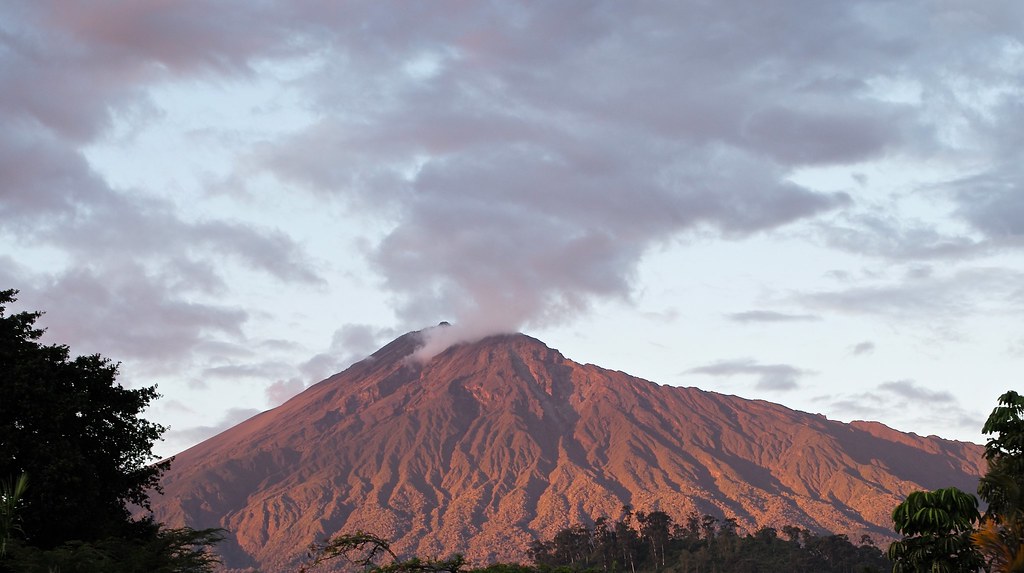
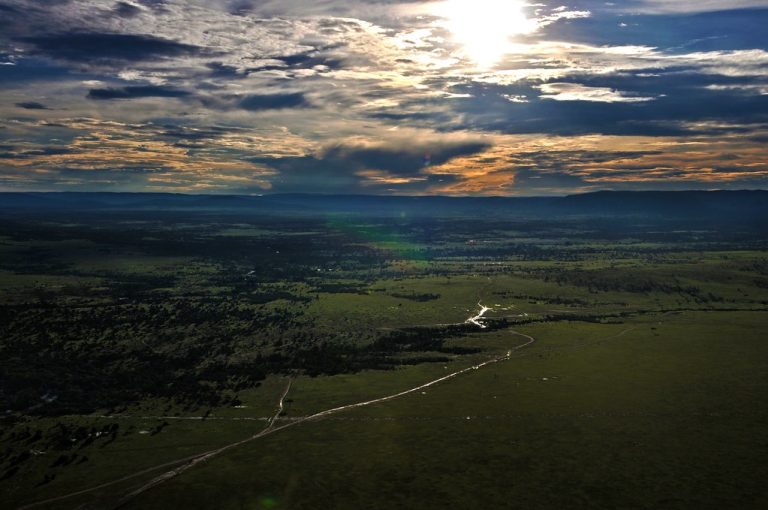
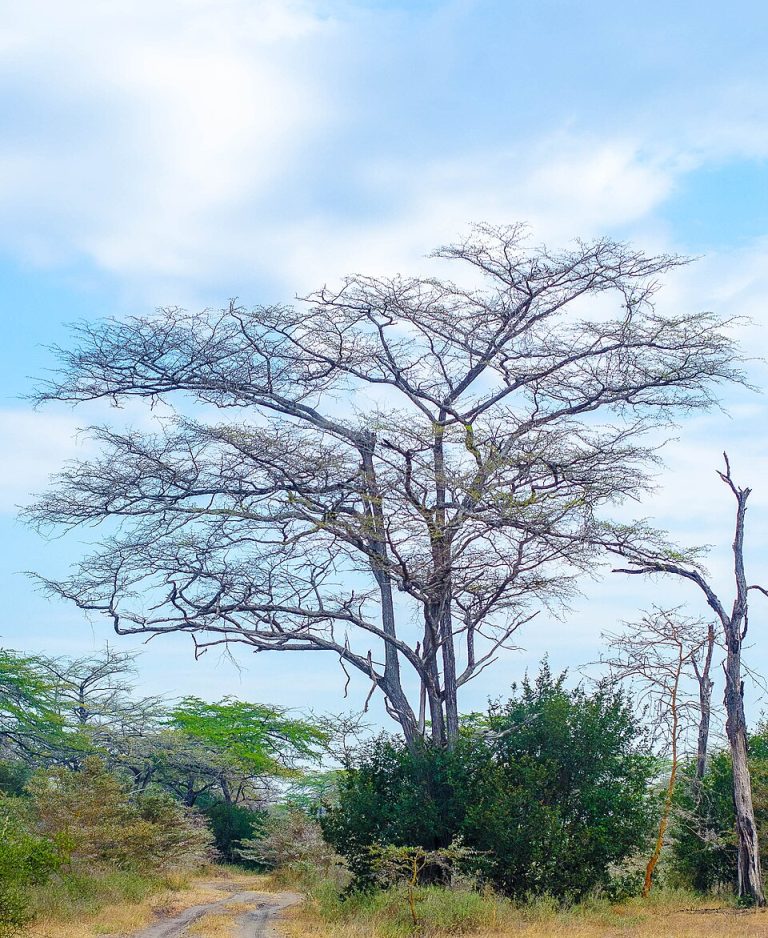
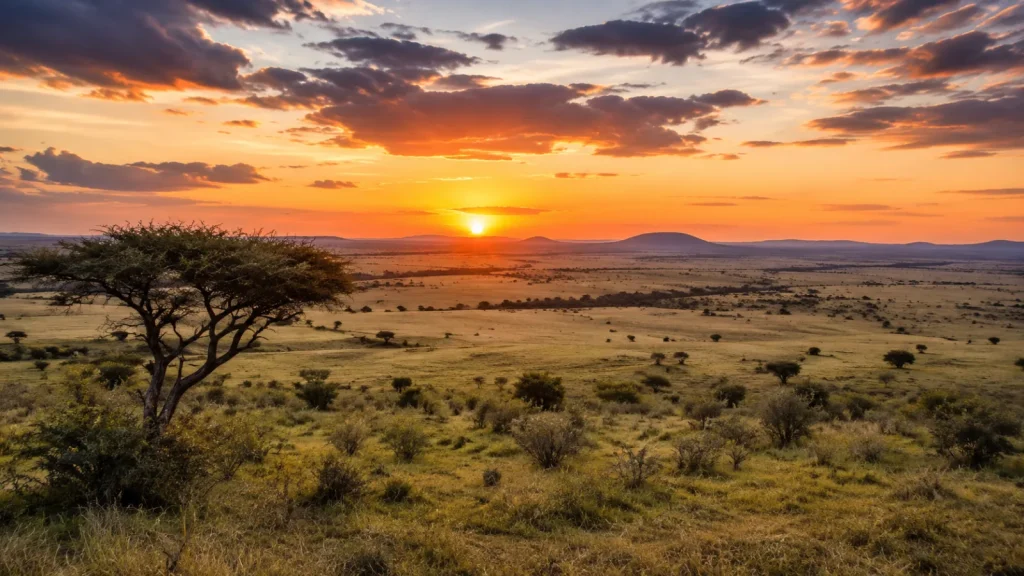
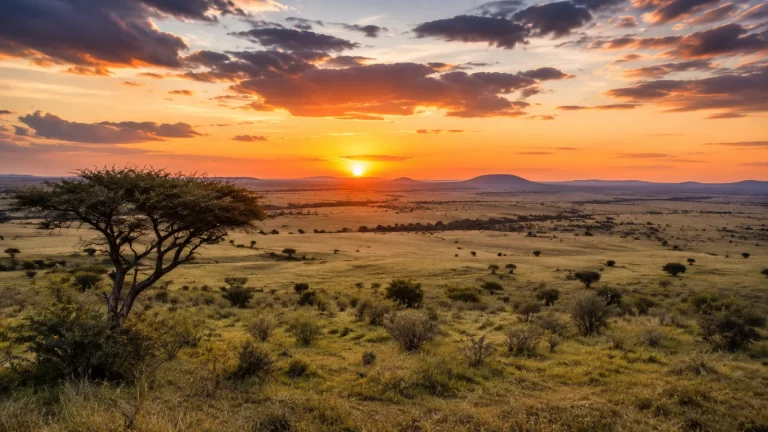
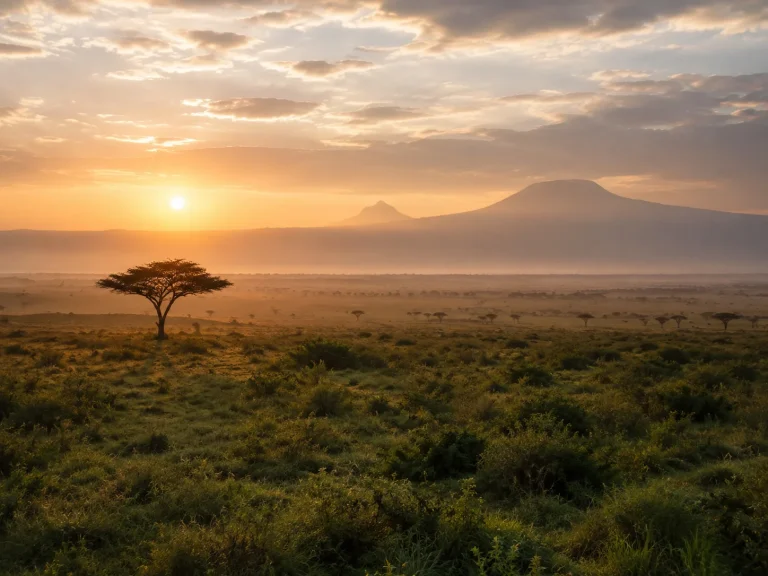
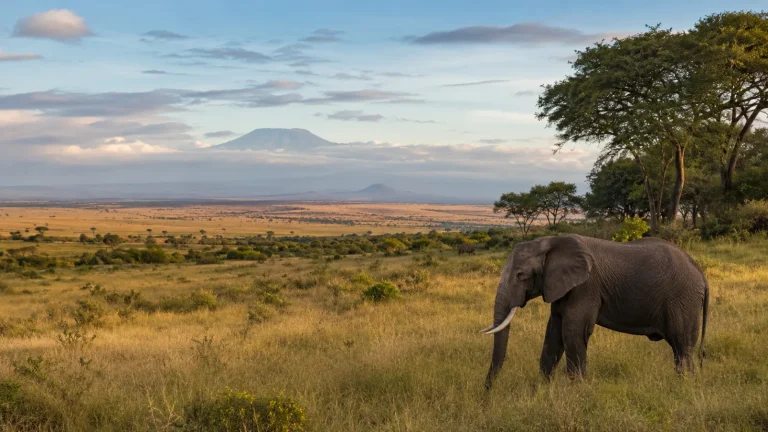
Nyerere National Park is characterized by its expansive and diverse landscapes, including savannahs, wetlands, and miombo woodlands. The park's vast size provides a sense of solitude and immersion in nature, offering visitors an opportunity to explore relatively untouched and remote environments.
Rufiji River
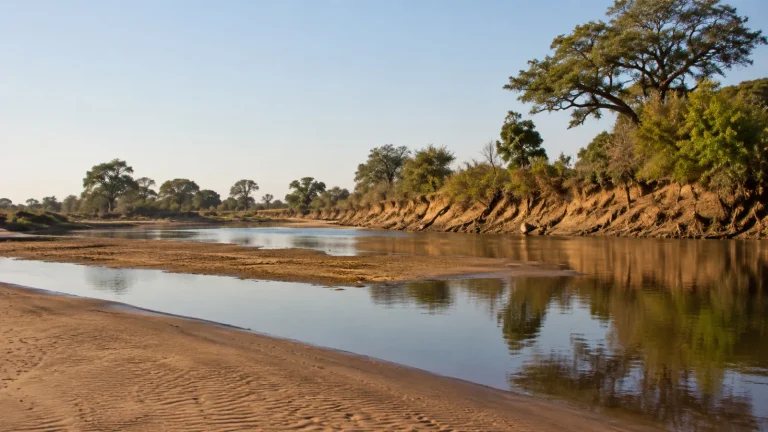
The Rufiji River, one of the park's primary features, flows through Nyerere National Park, creating rich wetlands and attracting a wide range of wildlife. Boat safaris along the river offer a unique perspective on the park's wildlife, including hippos, crocodiles, and numerous bird species. The river is also a vital water source for the park's animals, particularly during the dry season.
Wildlife Diversity
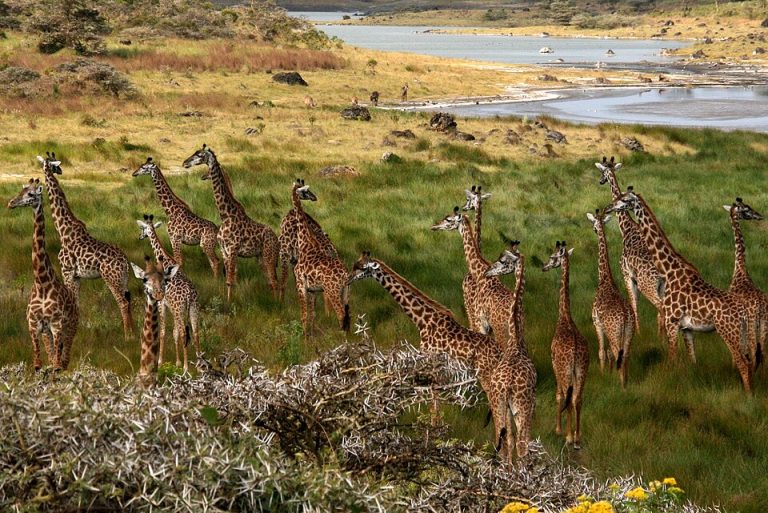
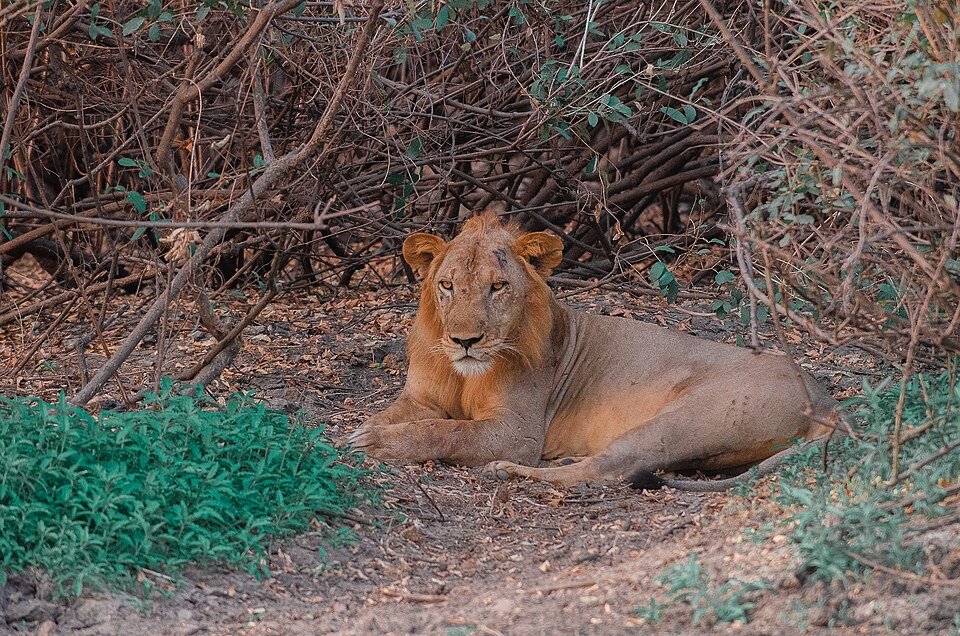
Nyerere National Park is home to a remarkable array of wildlife, including large populations of elephants, buffaloes, giraffes, and various antelope species. The park is also known for its predator populations, including lions, leopards, and wild dogs. The diversity of wildlife, combined with the park's vast landscapes, creates exceptional opportunities for game viewing and photography.
African Wild Dogs
One of the park's highlights is its significant population of African wild dogs, one of the continent's most endangered predators. Nyerere is one of the best places to spot these elusive and highly social animals, known for their distinctive markings and pack behavior. Observing wild dogs in their natural habitat is a rare and exciting experience for wildlife enthusiasts.
Birdwatching Nyerere National Park
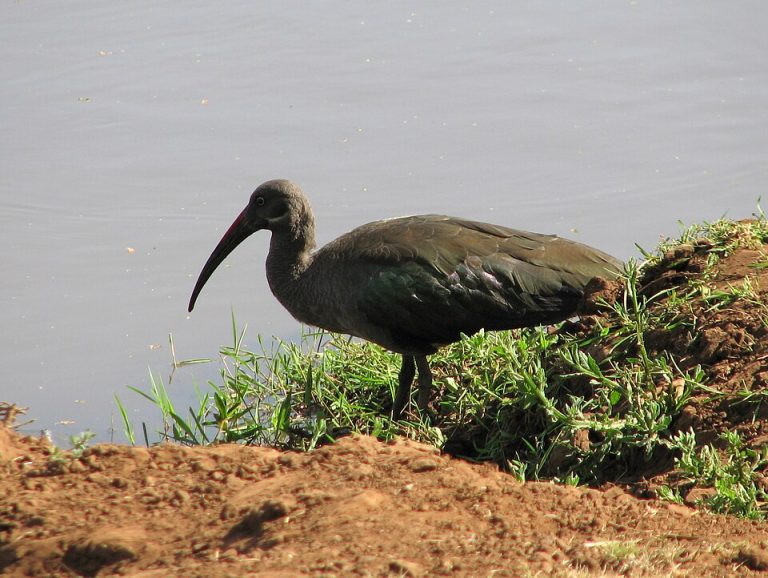
is a birdwatcher's paradise, with over 400 recorded bird species. The park's varied habitats, including wetlands, savannahs, and riverine forests, support a diverse array of birdlife. Notable species include the African fish eagle, the white-backed vulture, and various colorful kingfishers.
Walking Safaris
The park offers a unique opportunity to experience its landscapes and wildlife on foot through guided walking safaris. These safaris provide an intimate and immersive experience, allowing visitors to explore the park's ecosystems up close and learn about the smaller details of the environment that are often missed on vehicle-based safaris.
Practical planning
Useful before you go
Best time
Nyerere National Park can be visited year-round, but the dry season (June to October) is ideal for wildlife viewing as animals gather around water sources. The wet season (November to May) brings lush vegetation and fewer tourists but may involve occasional rain.
Getting there
The park is accessible by road from Dar es Salaam, approximately a 5-6 hour drive. Alternatively, scheduled flights to airstrips within the park are available. Many visitors choose to fly for convenience and time efficiency.
Packing
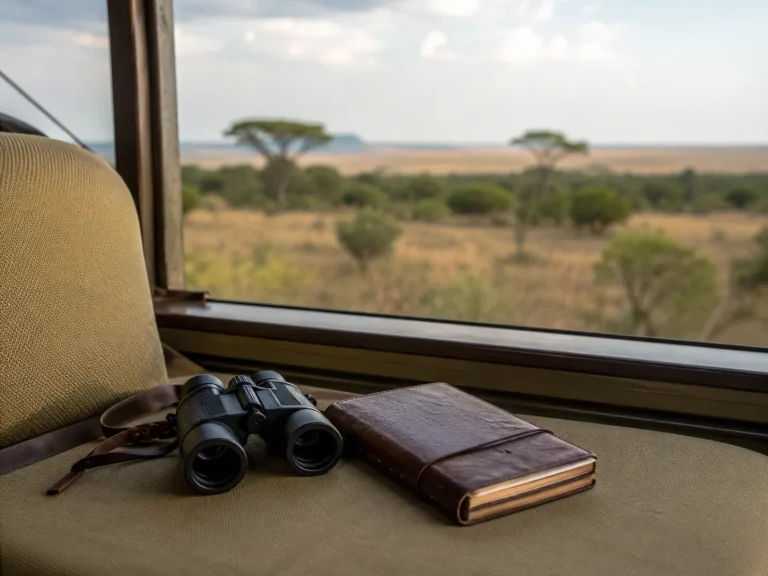
Bring lightweight, breathable clothing suitable for both hot days and cooler evenings. Sturdy walking shoes, a camera, binoculars, sunscreen, insect repellent, and a hat are essential. A light rain jacket is advisable if visiting during the wet season.
Stay
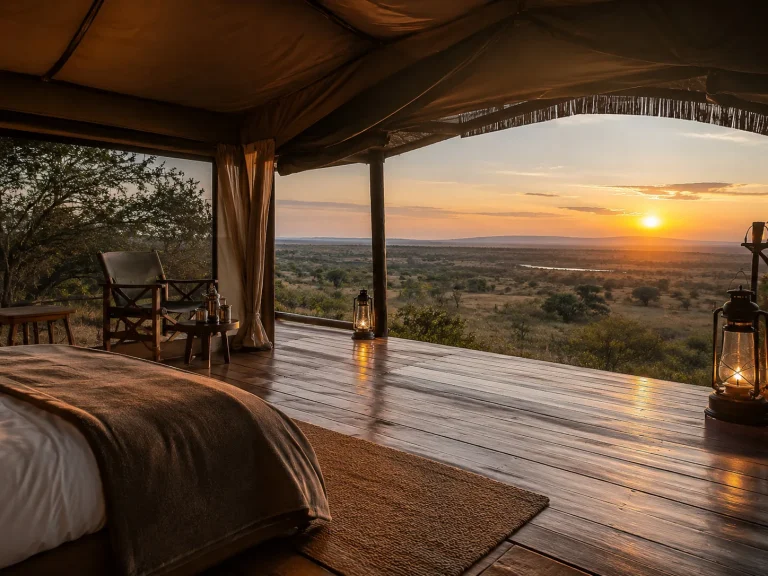
Accommodation in and around Nyerere National Park includes luxury lodges, tented camps, and more basic options. Many lodges and camps are located along the Rufiji River or in scenic areas of the park, offering stunning views and convenient access to the park's attractions. It is advisable to book accommodation in advance, especially during peak tourist seasons.
Gallery
A sense of place
Experiences
Ways to experience the place
Nyerere National Park is characterized by its expansive and diverse landscapes, including savannahs, wetlands, and miombo woodlands. The park's vast size provides a sense of solitude and immersion in nature, offering visitors an opportunity to explore relatively untouched and remote environments.
Ask about this experienceThe Rufiji River, one of the park's primary features, flows through Nyerere National Park, creating rich wetlands and attracting a wide range of wildlife. Boat safaris along the river offer a unique perspective on the park's wildlife, including hippos, crocodiles, and numerous bird species. The river is also a vital water source for the park's animals, particularly during the dry season.
Ask about this experienceNyerere National Park is home to a remarkable array of wildlife, including large populations of elephants, buffaloes, giraffes, and various antelope species. The park is also known for its predator populations, including lions, leopards, and wild dogs. The diversity of wildlife, combined with the park's vast landscapes, creates exceptional opportunities for game viewing and photography.
Ask about this experienceOne of the park's highlights is its significant population of African wild dogs, one of the continent's most endangered predators. Nyerere is one of the best places to spot these elusive and highly social animals, known for their distinctive markings and pack behavior. Observing wild dogs in their natural habitat is a rare and exciting experience for wildlife enthusiasts.
Ask about this experienceis a birdwatcher's paradise, with over 400 recorded bird species. The park's varied habitats, including wetlands, savannahs, and riverine forests, support a diverse array of birdlife. Notable species include the African fish eagle, the white-backed vulture, and various colorful kingfishers.
Ask about this experienceThe park offers a unique opportunity to experience its landscapes and wildlife on foot through guided walking safaris. These safaris provide an intimate and immersive experience, allowing visitors to explore the park's ecosystems up close and learn about the smaller details of the environment that are often missed on vehicle-based safaris. Accommodation Options Accommodation in and around Nyerere National Park includes luxury lodges, tented camps, and more basic options. Many lodges and camps are located along the Rufiji River or in scenic areas of the park, offering stunning views and convenient access to the park's attractions. It is advisable to book accommodation in advance, especially during peak tourist seasons. Travel Tips Best Time to Visit: Nyerere National Park can be visited year-round, but the dry season (June to October) is ideal for wildlife viewing as animals gather around water sources. The wet season (November to May) brings lush vegetation and fewer tourists but may involve occasional rain. How to Get There: The park is accessible by road from Dar es Salaam, approximately a 5-6 hour drive. Alternatively, scheduled flights to airstrips within the park are available. Many visitors choose to fly for convenience and time efficiency. What to Pack: Bring lightweight, breathable clothing suitable for both hot days and cooler evenings. Sturdy walking shoes, a camera, binoculars, sunscreen, insect repellent, and a hat are essential. A light rain jacket is advisable if visiting during the wet season. Nyerere National Park offers an unparalleled safari experience with its vast landscapes, diverse wildlife, and rich ecological significance. Whether you're exploring the wetlands along the Rufiji River, spotting African wild dogs, or enjoying a walking safari, Nyerere promises a memorable and immersive adventure in Tanzania's untamed wilderness. Excursions & Activities in Nyerere National Park Game Drives Game drives are the quintessential way to explore Nyerere's vast landscapes. Operated in open-sided 4×4 vehicles, drives reveal abundant wildlife including elephant herds, prides of lions, leopards, giraffes, buffalo, and rare African wild dogs.Morning Game Drives (06:00 – 10:00) take advantage of the cooler hours when predators are active and the light is perfect for photography.Afternoon Game Drives (15:30 – 18:30) showcase animals gathering at waterholes and the magical African sunset.Full-Day Game Drives (06:00 – 16:00) include picnic lunches in scenic spots, ideal for exploring deeper into the park.Market Segment: FIT luxury travelers, wildlife photographers, family groups, honeymooners, and nature documentary crews. Boat Safaris on the Rufiji River Unique to Nyerere, boat safaris allow visitors to glide past pods of hippos, basking crocodiles, and flocks of waterbirds. This is one of the few African parks where water-based safaris are a central attraction.Morning Boat Safaris (07:00 – 09:30) offer serene conditions and abundant birdlife activity.Sunset Boat Safaris (16:00 – 18:30) combine wildlife viewing with the golden light of dusk over the Rufiji.Market Segment: Birdwatchers, photographers, romantic travelers, luxury FIT clients, and special-interest nature groups. Guided Walking Safaris Led by armed, professional guides, walking safaris immerse guests in the smaller details of the bush – animal tracks, medicinal plants, bird calls, and the raw scent of the wilderness. These safaris evoke the traditional safari spirit pioneered in East Africa.Morning Walks (06:30 – 09:30) are the safest and most comfortable, as temperatures remain mild.Market Segment: Adventure travelers, repeat safari guests, photographers seeking unique perspectives, and conservation-minded tourists. Fly-Camping Expeditions For the truly adventurous, fly-camping offers an authentic wilderness immersion. Guests sleep in lightweight tents under the stars, accompanied by guides and camp staff, enjoying bush dinners by the fire and the sounds of the wild through the night.Overnight or Multi-Day Itineraries are common, often combined with walking safaris and remote game drives.Market Segment: High-end adventure seekers, private groups, luxury explorers, and experiential travel enthusiasts. Birdwatching Safaris With over 440 recorded species, Nyerere is a year-round paradise for bird lovers. From the African fish eagle to the carmine bee-eater, boat safaris and riverine walks are particularly rewarding for ornithologists.Best Time: November to April for migratory species; mornings for maximum activity.Market Segment: Birdwatching clubs, photographers, eco-tourism travelers. Fishing Excursions Fishing in the Rufiji River offers an exciting alternative to traditional game viewing. Guests can catch species such as tiger fish and catfish while surrounded by hippos and crocodiles.Timing: Morning or late afternoon for best catches.Market Segment: Sport fishing enthusiasts, adventure travelers, incentive travel groups. Suggested Timing for a Multi-Day Stay Day 1: Afternoon arrival → Sunset boat safari → Riverside sundowner drinks.Day 2: Morning game drive → Midday relaxation → Afternoon walking safari.Day 3: Full-day game drive with picnic lunch → Evening campfire storytelling.Day 4: Morning birdwatching boat trip → Departure. Ideal Market Segments for Nyerere National Park Luxury FIT Travelers: Private safaris, exclusive lodge stays, customized itineraries. Adventure & Experiential Travelers: Walking safaris, fly-camping, multi-activity programs. Special-Interest Travelers: Birders, photographers, conservationists, fishing enthusiasts. Families & Small Groups: Private guides, flexible schedules, child-friendly activities. Honeymooners & Couples: Romantic boat cruises, private bush dinners, secluded lodge settings.
Ask about this experienceNyerere National Park offers an unparalleled safari experience with its vast landscapes, diverse wildlife, and rich ecological significance. Whether you're exploring the wetlands along the Rufiji River, spotting African wild dogs, or enjoying a walking safari, Nyerere promises a memorable and immersive adventure in Tanzania's untamed wilderness.