Samburu National Reserve
Samburu National Reserve, located in northern Kenya, is a unique and captivating destination known for its arid landscapes, rich wildlife, and vibrant Samburu culture. This lesser-visited reserve offers an off-the-beaten-path safari experie
At a glance
Useful facts for planning
In this guide
Why go
Samburu National Reserve, located in northern Kenya, is a unique and captivating destination known for its arid landscapes, rich wildlife, and vibrant Samburu culture. This lesser-visited reserve offers an off-the-beaten-path safari experience, where visitors can encounter rare and endemic species amidst stunning scenery. For those seeking adventure and an authentic connection with Kenya's wilderness, Samburu National Reserve is an ideal destination.
Key attractions
What to look for
Unique Wildlife
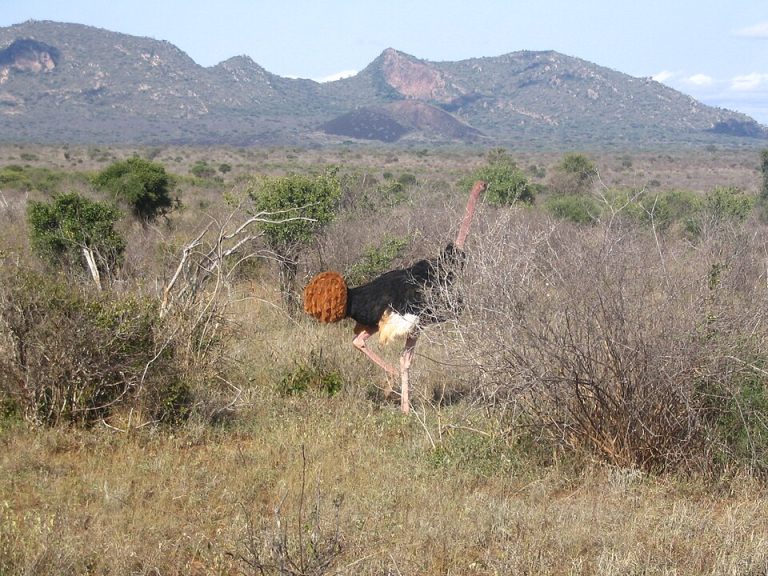
Samburu National Reserve is renowned for its unique wildlife, often referred to as the "Samburu Special Five." These include the Grevy's zebra, reticulated giraffe, Somali ostrich, beisa oryx, and gerenuk, all of which are rare and found predominantly in this region. The reserve also hosts elephants, lions, leopards, cheetahs, and a variety of antelope species, making it a rich and diverse safari destination.
Ewaso Nyiro River
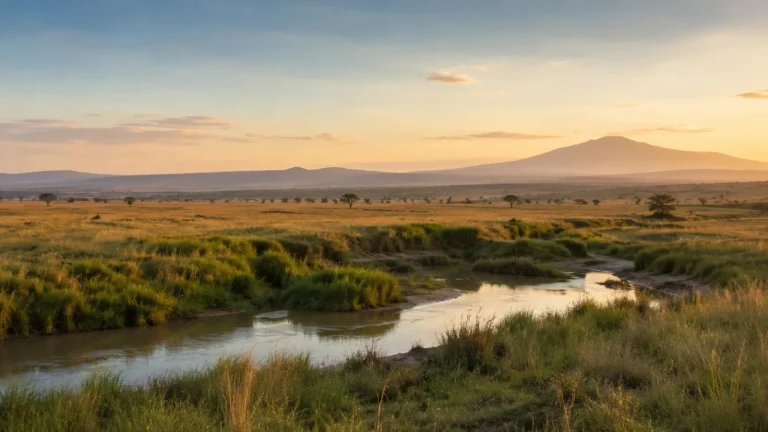
The lifeblood of the reserve, the Ewaso Nyiro River, flows through Samburu, providing a vital water source for the area's wildlife. The river attracts large numbers of animals, especially during the dry season, making it an excellent spot for game viewing. Crocodiles and hippos can often be seen in the river, while elephants and other herbivores come to drink and bathe.
Birdwatching
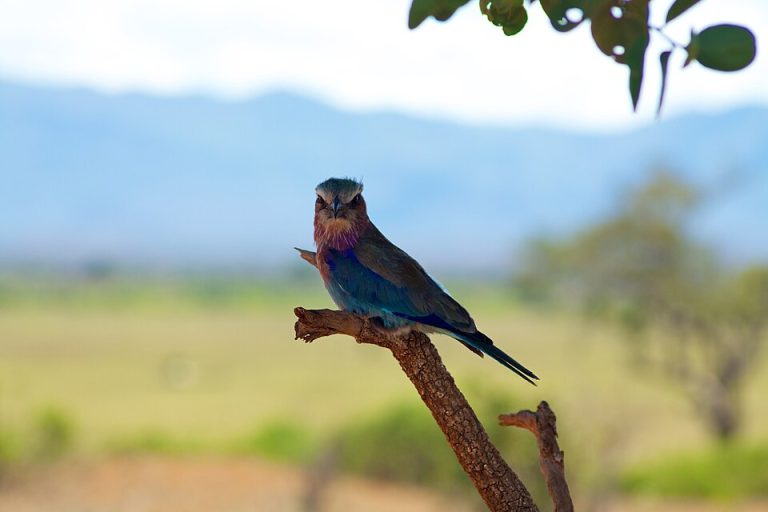
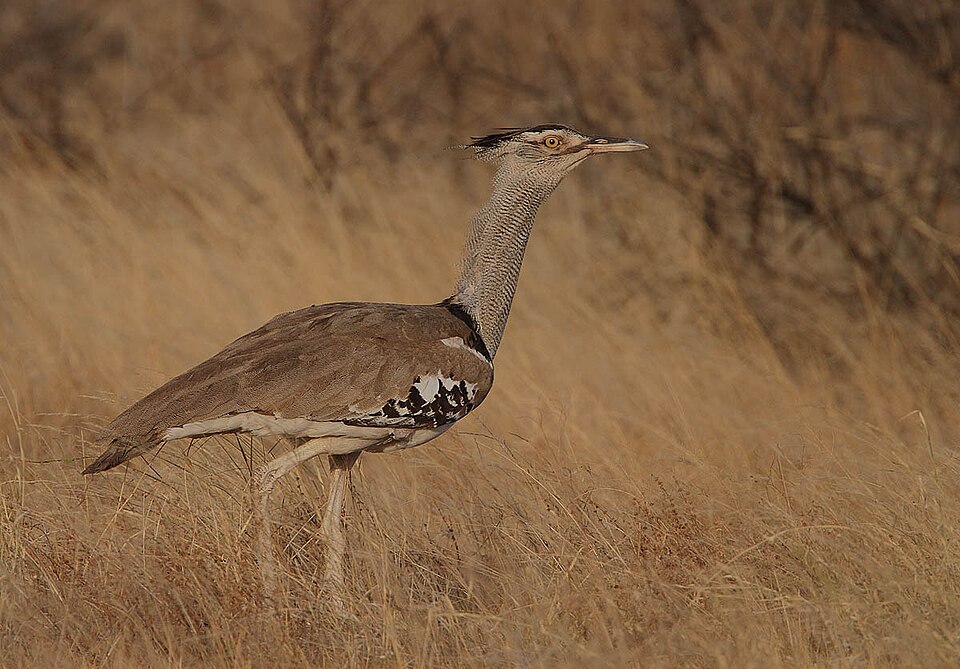
With over 450 bird species recorded, Samburu National Reserve is a paradise for birdwatchers. The diverse habitats support a wide range of birds, including the vulturine guineafowl, secretary bird, martial eagle, and the colorful lilac-breasted roller. Bird enthusiasts will find ample opportunities to spot and photograph these stunning avian species.
Samburu Culture
The reserve is named after the Samburu people, who are closely related to the Maasai and have preserved their traditional way of life. Visitors can engage with the Samburu community, learn about their customs, and witness traditional dances and ceremonies. Visiting a Samburu village provides a deeper understanding of the rich cultural heritage of this indigenous group.
Scenic Landscapes Samburu National Reserve
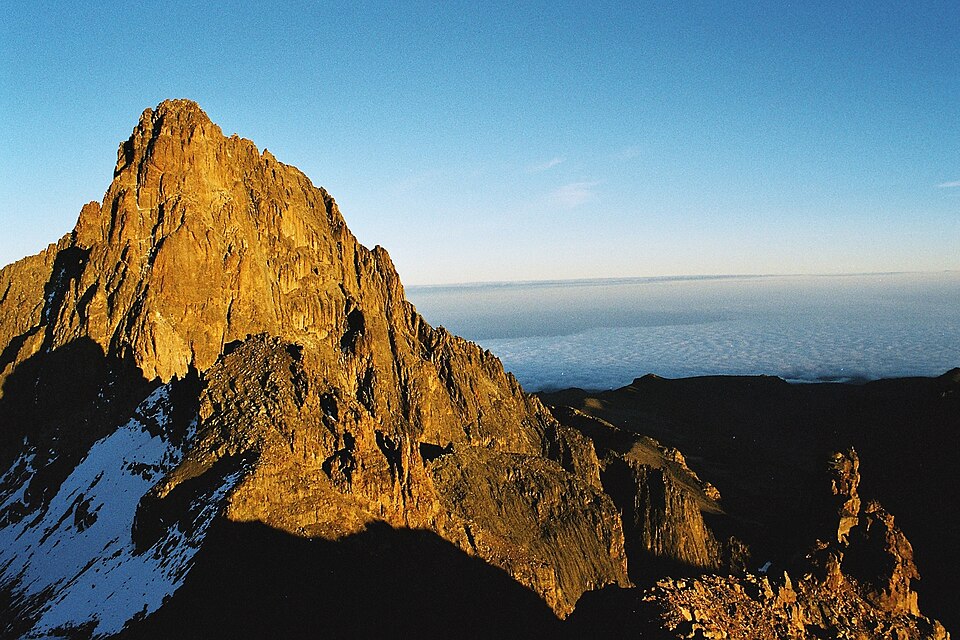
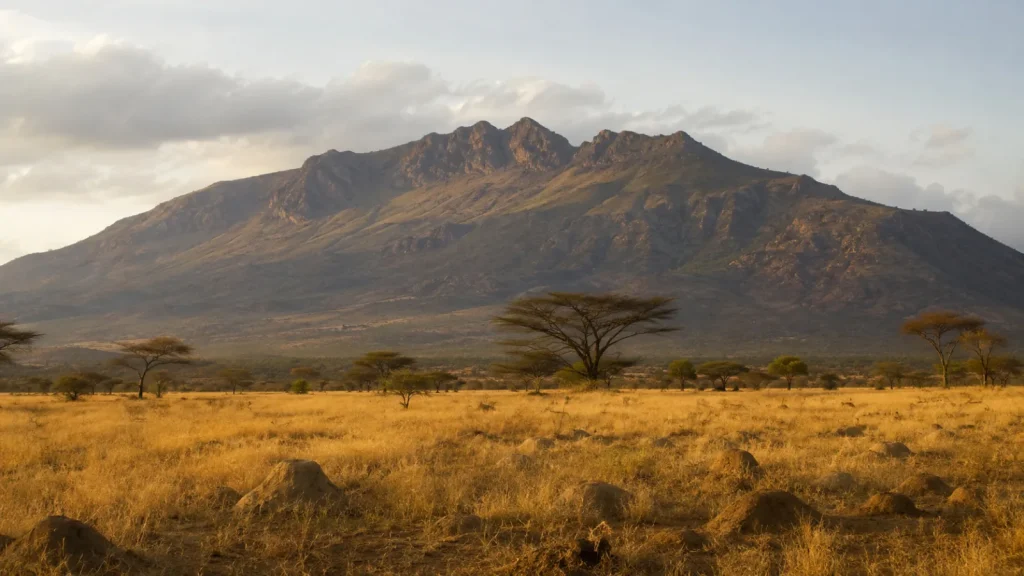
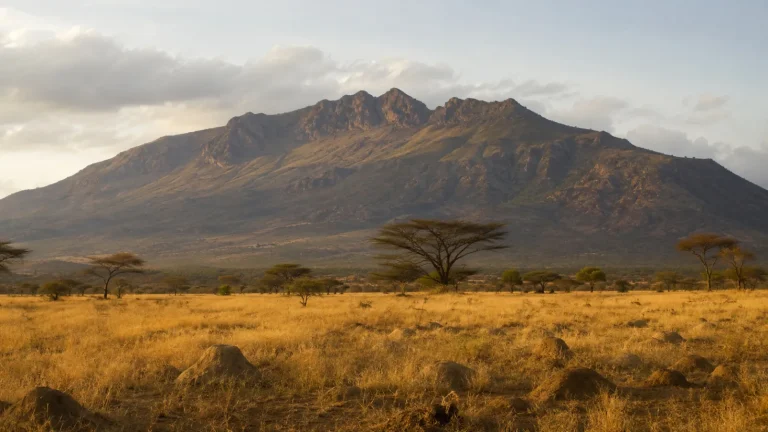
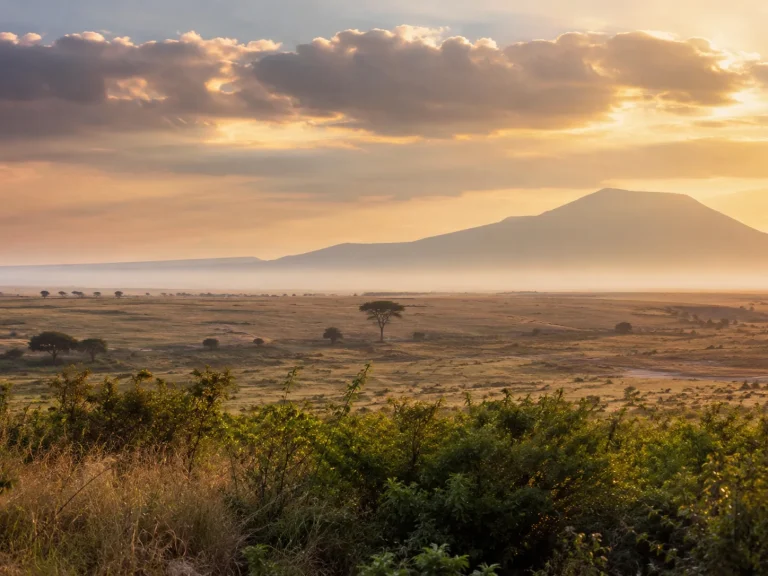
features dramatic landscapes characterized by arid plains, rugged hills, and lush riverine forests. The contrasting scenery includes the striking Koitogor and Ololokwe mountains, which offer stunning backdrops for photography. The arid beauty of the reserve is complemented by the lush greenery along the Ewaso Nyiro River, creating a visually captivating environment.
Practical planning
Useful before you go
Best time
The reserve can be visited year-round, but the dry season (June to October) is ideal for wildlife viewing. During the wet season (November to May), the reserve is lush and green, with fewer tourists and excellent birdwatching opportunities.
Getting there
Samburu National Reserve is accessible by road, approximately a 6-7 hour drive from Nairobi. There are also charter flights available to Samburu's airstrips, such as Buffalo Springs and Samburu Oryx.
Packing
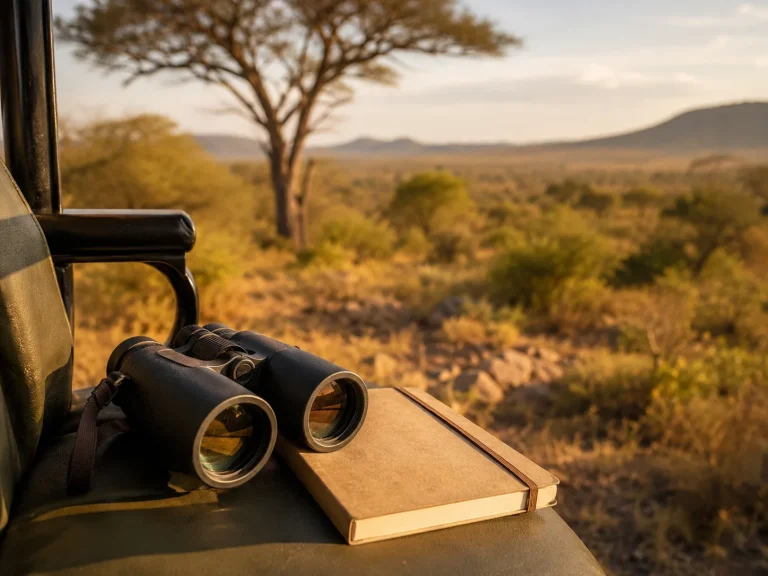
Bring lightweight clothing for the hot days and warm layers for the cooler evenings. Don't forget binoculars, a camera, sunscreen, insect repellent, and a hat. A waterproof jacket is also advisable if visiting during the wet season.
Stay
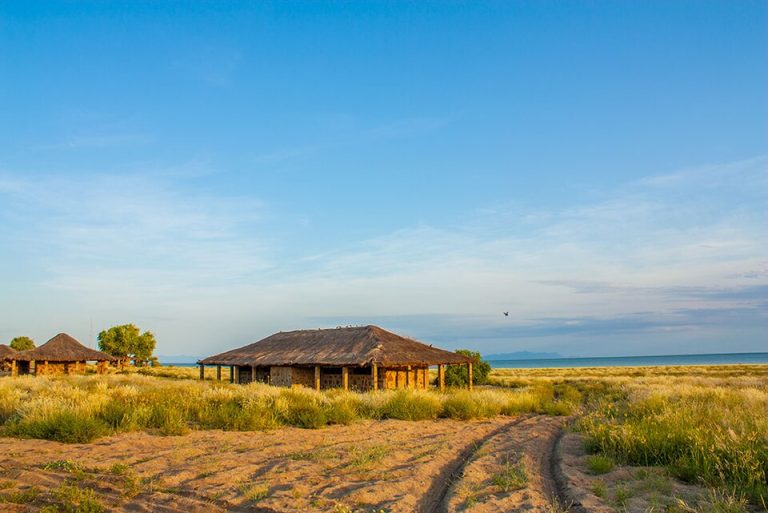
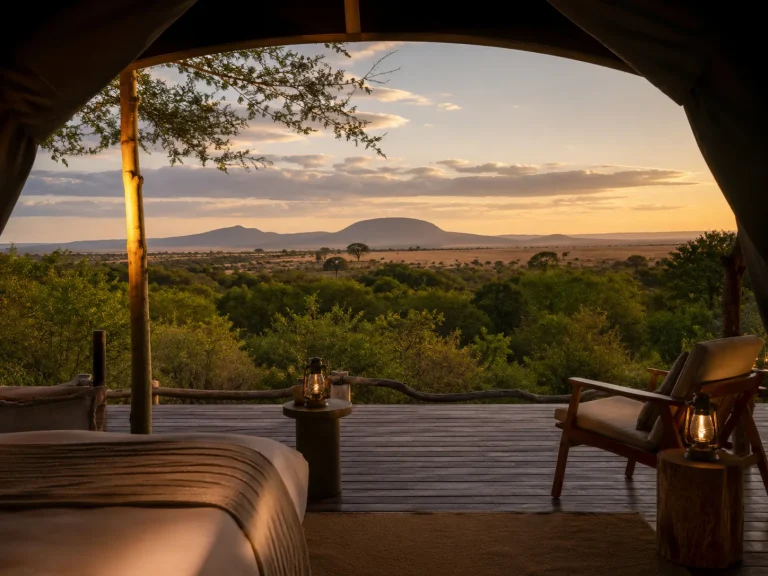
Samburu National Reserve offers a range of accommodation options, from luxury lodges and tented camps to budget-friendly campsites. Many lodges and camps are located along the river, providing excellent views and easy access to prime wildlife viewing areas. Whether you seek comfort or adventure, Samburu has accommodations to suit every traveler.
Responsible travel
Segments – travelers supporting community tourism
Gallery
A sense of place
Experiences
Ways to experience the place
Guests set off just before sunrise when the reserve comes alive with activity. The cooler hours draw out predators like lions, leopards, and cheetahs, while elephants and antelope species graze freely. The "Samburu Special Five" – Grevy's zebra, reticulated giraffe, Somali ostrich, gerenuk, and Beisa oryx – are among the top sightings, unique to this ecosystem. The soft morning light also offers unmatched photography opportunities.
After the early game drive, guests enjoy a freshly prepared breakfast set in a scenic riverside or acacia-shaded spot within the reserve. Tables are laid with white linen and fresh tropical juices, with the Ewaso Nyiro River as a tranquil soundtrack. This combines culinary indulgence with the raw beauty of nature.
Guests are welcomed into a traditional Samburu homestead to witness the vibrant beadwork, dances, and daily life of the semi-nomadic people. Guides explain the Samburu's rich heritage, livestock traditions, and adaptation to the arid environment. This is a meaningful cultural exchange rather than a staged performance.
Guests return to their lodges for lunch and leisure. Options include swimming with panoramic views, spa treatments, or guided nature walks in lodge-controlled areas. This downtime is perfect for recharging before the evening safari.
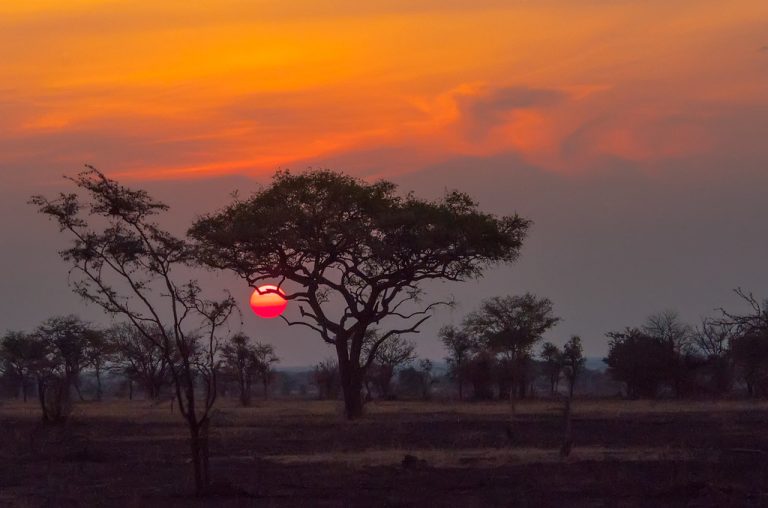
As the heat of the day fades, animals become active again. Elephants head to the river to drink, leopards begin their evening hunt, and the sky transforms into a golden canvas. Sundowners are served in the bush – chilled drinks paired with sweeping views over the reserve.
Guests enjoy cocktails and light bites at a scenic viewpoint as the sun sets. After dark, the unpolluted Samburu skies reveal a spectacular blanket of stars. Guides share stories of Samburu folklore tied to the night sky, adding depth to the celestial spectacle.
Using spotlight-equipped vehicles, guests search for elusive nocturnal creatures such as aardvarks, bat-eared foxes, and civets. The night sounds – from distant lion roars to insect choruses – create an entirely different safari dimension.
Escorted by local Samburu guides, guests ride camels through the arid landscape, observing birds, small game, and the unique flora of the region. This is an eco-friendly and traditional mode of transport that connects travelers with the land's pace and culture.
Led by a professional wildlife photographer, this excursion focuses on techniques for capturing Samburu's rare species and dramatic landscapes. Guests receive one-on-one guidance in the field.
Private charter or scheduled flights link Samburu with destinations like the Maasai Mara, Lewa Conservancy, or Laikipia for multi-destination safaris. Guests enjoy a morning activity in Samburu and an afternoon game drive elsewhere.
Samburu National Reserve offers a unique safari experience, where visitors can explore the striking landscapes, encounter rare wildlife, and engage with the vibrant Samburu culture. Whether you're tracking the Samburu Special Five, enjoying the scenic beauty of the Ewaso Nyiro River, or immersing yourself in the local traditions, Samburu promises an unforgettable adventure in the heart of northern Kenya.