Sibiloi National Park
Sibiloi National Park, located in the remote northeastern region of Kenya, is a hidden gem offering a unique safari experience amidst the stark beauty of the Chalbi Desert. Known for its significant paleontological sites and diverse wildlif
At a glance
Useful facts for planning
In this guide
Why go
Sibiloi National Park, located in the remote northeastern region of Kenya, is a hidden gem offering a unique safari experience amidst the stark beauty of the Chalbi Desert. Known for its significant paleontological sites and diverse wildlife, Sibiloi is an exceptional destination for adventurous travelers and those interested in exploring Kenya's less-visited natural wonders.
Key attractions
What to look for
Fossil Discoveries
Sibiloi National Park is renowned for its rich fossil deposits, particularly in the Koobi Fora region. This area is a significant archaeological site, where fossils of early human ancestors and ancient animals have been discovered. The park's paleontological importance provides a fascinating glimpse into the prehistoric past and offers opportunities for educational tours and exploration of ancient fossils.
Unique Desert Landscapes
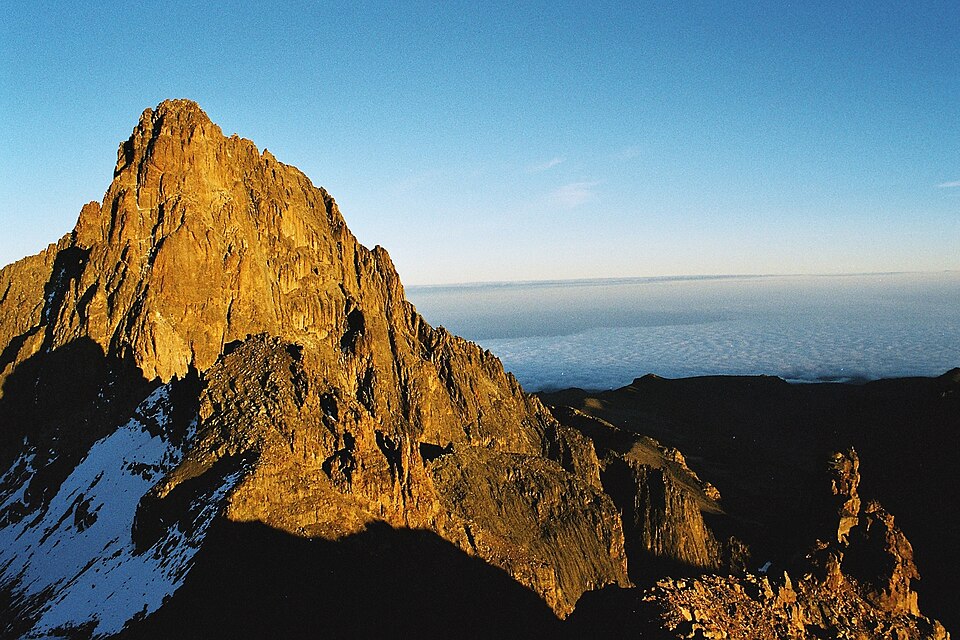
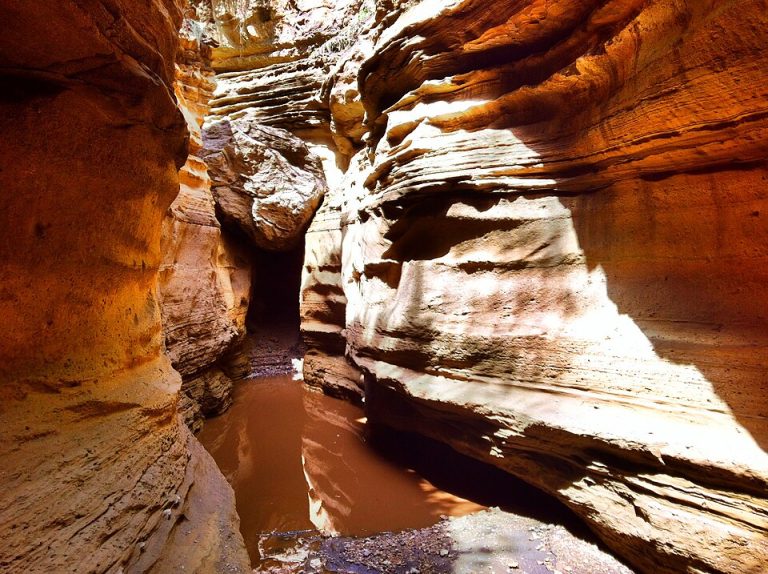
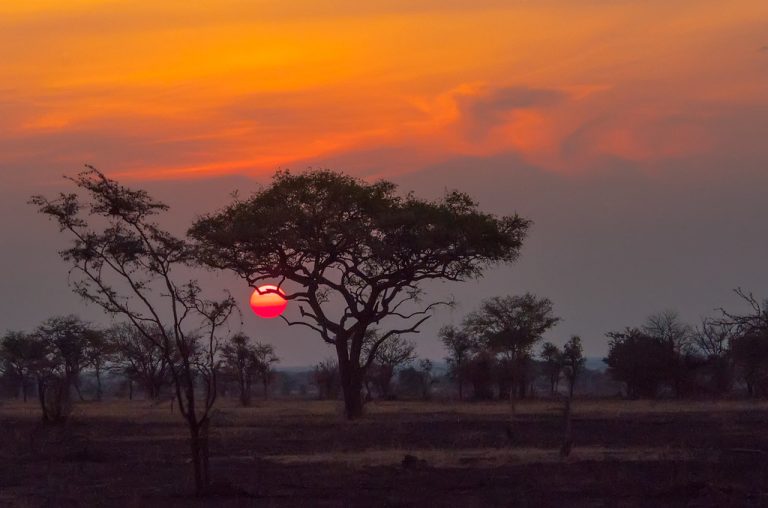
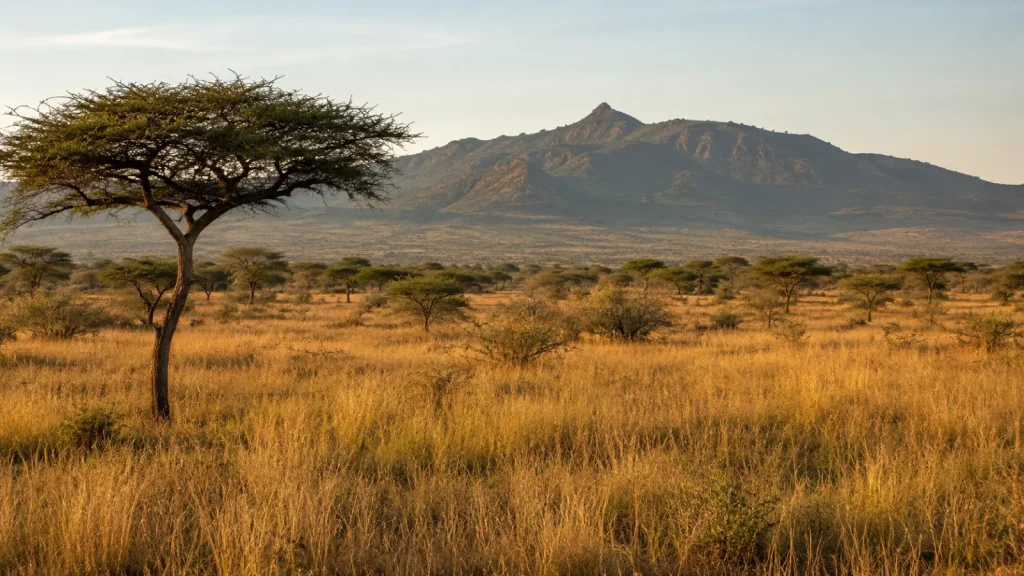
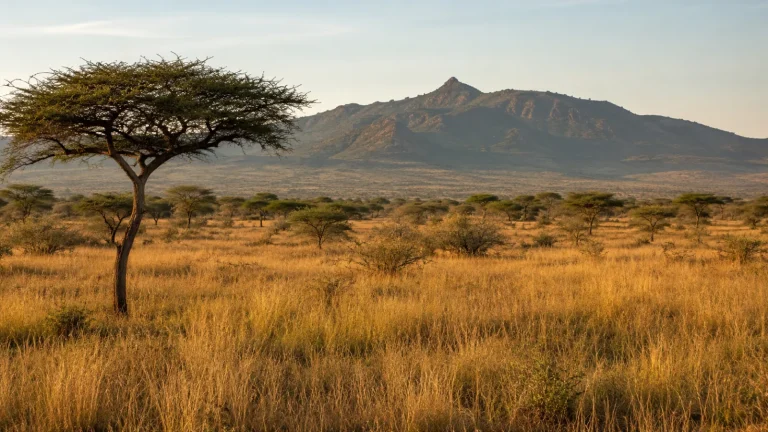
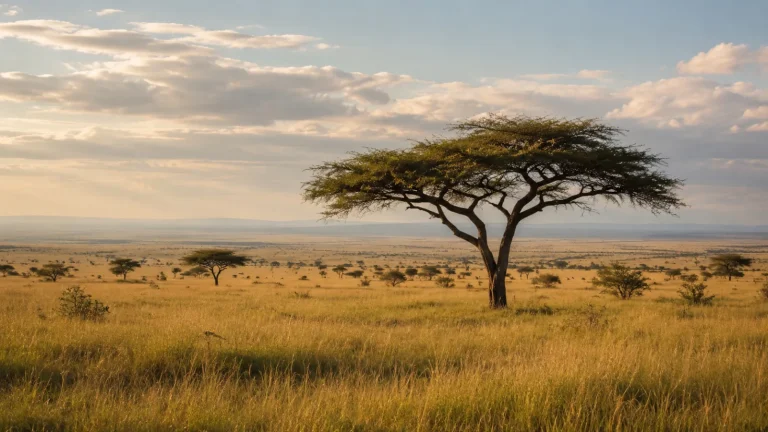
The park's landscapes are characterized by arid plains, volcanic formations, and the expansive Chalbi Desert. The rugged terrain, dotted with scattered acacia trees and salt flats, creates a stark yet beautiful environment. Exploring these landscapes offers a chance to experience Kenya's desert ecosystem and appreciate the park's remote and rugged beauty.
Lake Turkana
Sibiloi National Park is situated near Lake Turkana, the world's largest permanent desert lake. The lake's turquoise waters provide a stunning contrast to the surrounding arid landscapes. Visitors can enjoy scenic views, boat rides, and birdwatching opportunities along the lake's shores. The lake is also home to various fish species and supports a range of birdlife.
Cultural Encounters
The park is located in an area inhabited by the pastoralist communities of the Turkana people. Visitors have the opportunity to learn about the traditional way of life of the Turkana, including their customs, culture, and adaptations to the desert environment. Engaging with local communities provides valuable insights into the cultural heritage of the region.
Practical planning
Useful before you go
Best time
The best time to visit Sibiloi National Park is during the dry season (June to October) when wildlife viewing is optimal and the weather is more manageable. The wet season (November to May) brings cooler temperatures and occasional rainfall, which can make travel more challenging.
Getting there
Sibiloi National Park is accessible by road from Nairobi, with a journey taking approximately 12-14 hours. Alternatively, visitors can fly to the nearest airstrip at Loiyangalani and arrange for road transfers to the park.
Packing
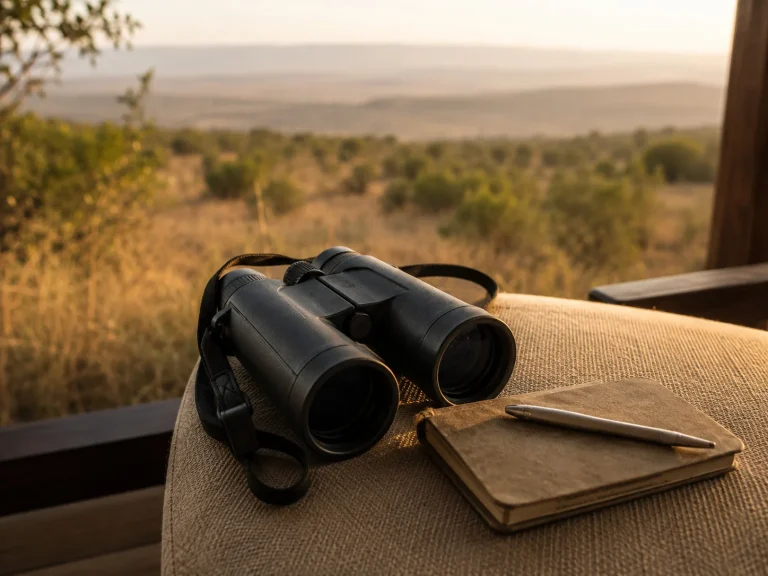
Bring lightweight, breathable clothing suitable for hot and dry conditions, sturdy walking shoes, a camera, binoculars, sunscreen, insect repellent, and plenty of water. A hat and sunglasses are also recommended for sun protection.
Stay
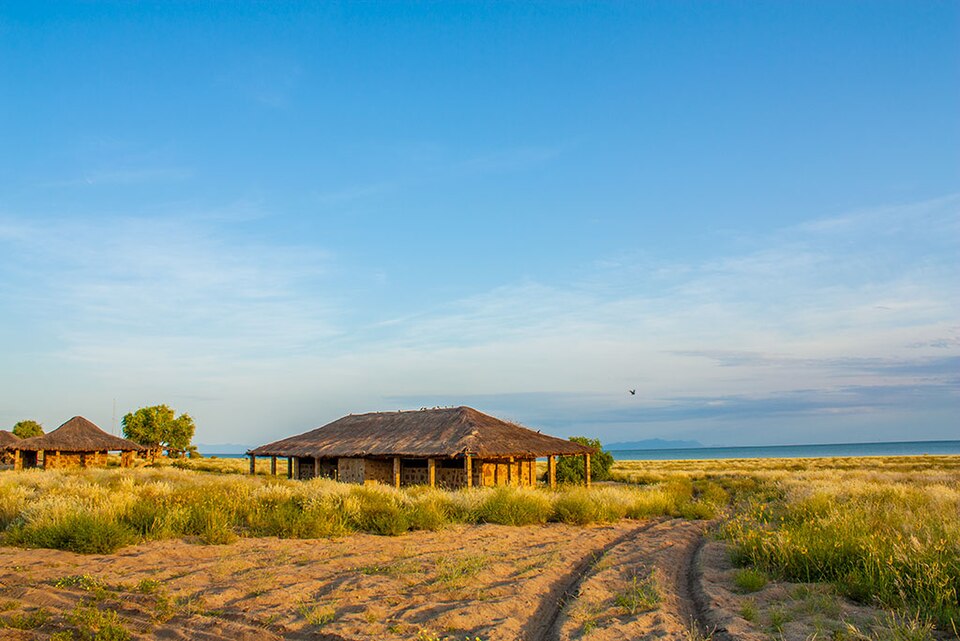
Accommodation within and around Sibiloi National Park is limited and often involves basic campsites or eco-lodges. The nearest town, Loiyangalani, offers additional lodging options and amenities. Due to the park's remote location, it is advisable to plan your visit in advance and prepare for a more rugged and adventurous experience.
Gallery
A sense of place

Experiences
Ways to experience the place
Sibiloi National Park is renowned for its rich fossil deposits, particularly in the Koobi Fora region. This area is a significant archaeological site, where fossils of early human ancestors and ancient animals have been discovered. The park's paleontological importance provides a fascinating glimpse into the prehistoric past and offers opportunities for educational tours and exploration of ancient fossils.
Ask about this experienceThe park's landscapes are characterized by arid plains, volcanic formations, and the expansive Chalbi Desert. The rugged terrain, dotted with scattered acacia trees and salt flats, creates a stark yet beautiful environment. Exploring these landscapes offers a chance to experience Kenya's desert ecosystem and appreciate the park's remote and rugged beauty.
Ask about this experienceSibiloi National Park is situated near Lake Turkana, the world's largest permanent desert lake. The lake's turquoise waters provide a stunning contrast to the surrounding arid landscapes. Visitors can enjoy scenic views, boat rides, and birdwatching opportunities along the lake's shores. The lake is also home to various fish species and supports a range of birdlife.
Ask about this experienceThe park is located in an area inhabited by the pastoralist communities of the Turkana people. Visitors have the opportunity to learn about the traditional way of life of the Turkana, including their customs, culture, and adaptations to the desert environment. Engaging with local communities provides valuable insights into the cultural heritage of the region.
Ask about this experienceAccommodation Options Accommodation within and around Sibiloi National Park is limited and often involves basic campsites or eco-lodges. The nearest town, Loiyangalani, offers additional lodging options and amenities. Due to the park's remote location, it is advisable to plan your visit in advance and prepare for a more rugged and adventurous experience. Travel Tips Best Time to Visit: The best time to visit Sibiloi National Park is during the dry season (June to October) when wildlife viewing is optimal and the weather is more manageable. The wet season (November to May) brings cooler temperatures and occasional rainfall, which can make travel more challenging. How to Get There: Sibiloi National Park is accessible by road from Nairobi, with a journey taking approximately 12-14 hours. Alternatively, visitors can fly to the nearest airstrip at Loiyangalani and arrange for road transfers to the park. What to Pack: Bring lightweight, breathable clothing suitable for hot and dry conditions, sturdy walking shoes, a camera, binoculars, sunscreen, insect repellent, and plenty of water. A hat and sunglasses are also recommended for sun protection. Sibiloi National Park offers a remote and adventurous safari experience amidst Kenya's desert landscapes. With its significant paleontological sites, unique desert environment, and opportunities for cultural encounters, Sibiloi provides an unforgettable adventure for those willing to explore Kenya's more secluded natural wonders. Sibiloi National Park – Excursions & Activity Schedule Immerse yourself in one of Africa's most remote and compelling safari destinations: Excursion Options & Sample Timings Archaeological Explorer Tour (Koobi Fora Museum & Petrified Forest) Duration: Morning or afternoon, 3-4 hours Highlights: Guided visit to Koobi Fora Museum showcasing hominid fossils, then a walk among the ancient petrified forest near Mount Sibiloi. Ideal For: History and science enthusiasts, academics, university groups. Wildlife & Lake Shore Exploration Duration: Half-day (4-5 hours) Highlights: Game viewing on the semi-arid plains-including Grevy's zebras, Beisa oryx, topi, hyenas-plus birdwatching along Lake Turkana shores with chances to see flamingos, pelicans, and Nile crocodiles. Ideal For: Wildlife photographers, birdwatchers, nature lovers. Desert Nature Walks & Fossil Trails Duration: 2-3 hours Highlights: Guided walks through semi-desert terrain to spot endemic flora, visit fossil sites, and access interpretive points near alluvial spurs and volcanic formations. Ideal For: Low-impact eco-adventure travelers and geology enthusiasts. Cultural Immersive Visit Duration: 3-4 hours (half day) Highlights: Engage with Turkana, Gabra, or Dassanach communities to experience traditional pastoralist culture, artisanal crafts, and storytelling. Ideal For: Cultural tourists, anthropologists, high-end experiential guests. Camping & Lake Turkana Sunset Experiences
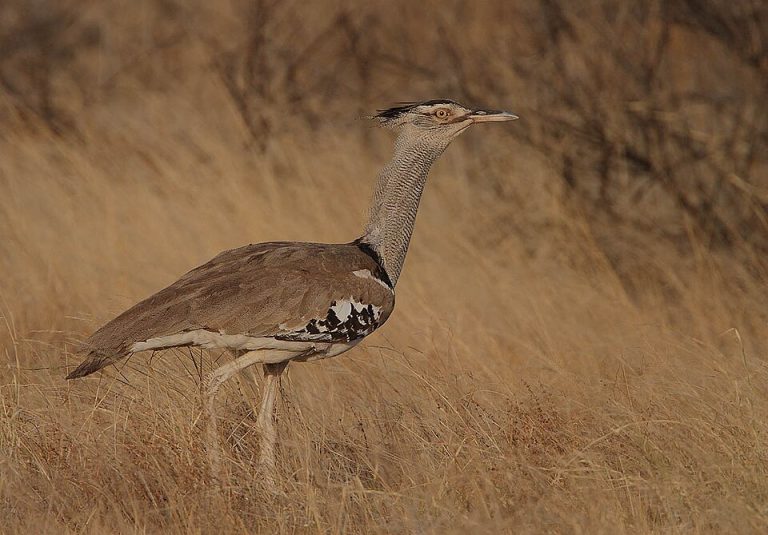
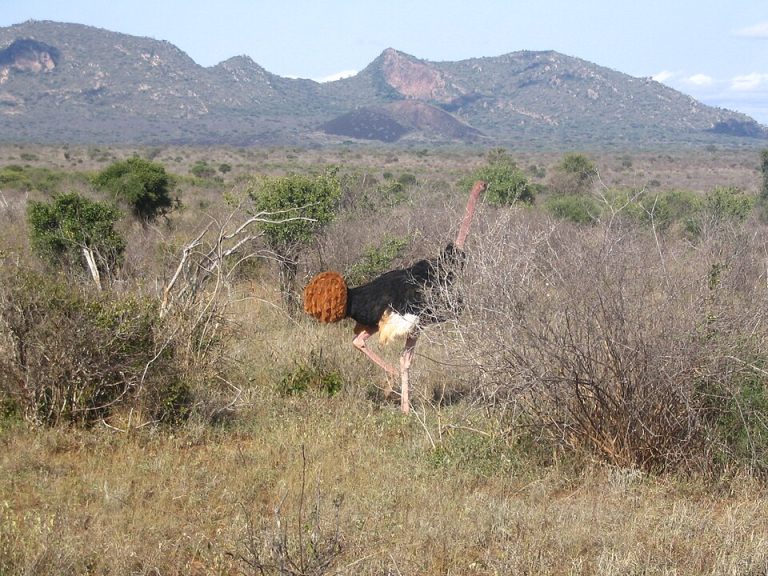
Ask about this experience4. Wildlife Viewing Despite its arid environment, Sibiloi National Park supports a variety of wildlife adapted to desert conditions. Visitors may encounter species such as Grevy's zebra, Beisa oryx, and various antelope species. The park's wildlife is well-adapted to the harsh environment, and game drives offer a unique opportunity to observe these resilient creatures in their natural habitat.
6. Archaeological Sites In addition to its fossil discoveries, Sibiloi National Park features various archaeological sites that highlight the region's historical significance. These sites offer visitors a deeper understanding of the ancient human and animal life that once thrived in the area.
Sibiloi National Park offers a remote and adventurous safari experience amidst Kenya's desert landscapes. With its significant paleontological sites, unique desert environment, and opportunities for cultural encounters, Sibiloi provides an unforgettable adventure for those willing to explore Kenya's more secluded natural wonders.