Kora National Park
Kora National Park, located in the remote northeastern region of Kenya, is a captivating destination known for its untamed wilderness, diverse wildlife, and rich conservation history. The park's rugged landscapes, riverine forests, and abun
At a glance
Useful facts for planning
In this guide
Why go
Kora National Park: Kenya's Hidden Wilderness
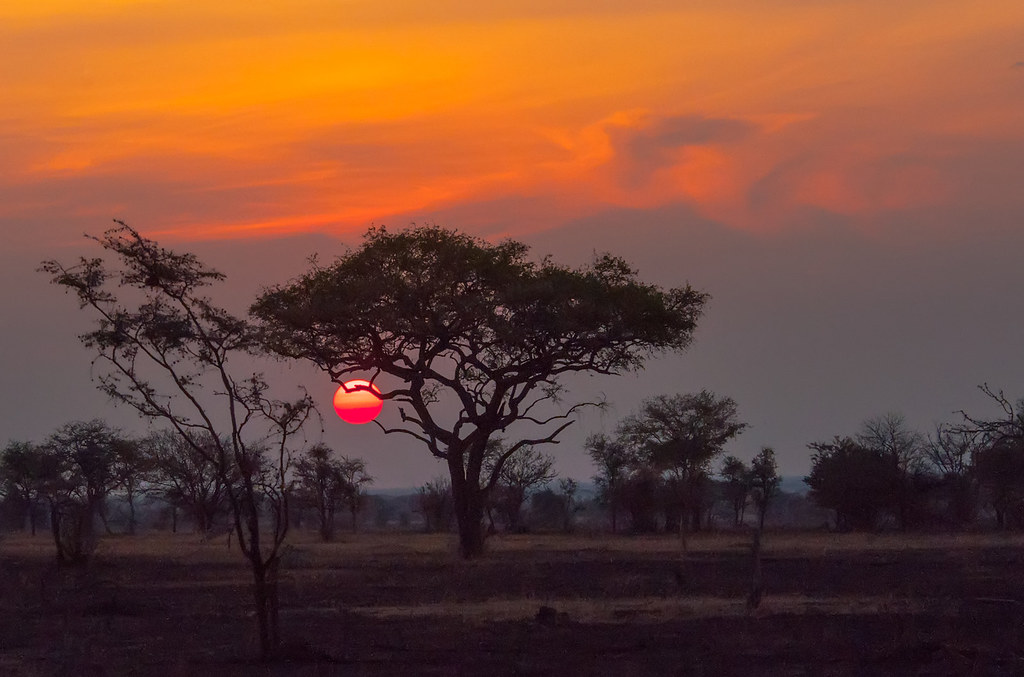
Kora National Park, located in the remote northeastern region of Kenya, is a captivating destination known for its untamed wilderness, diverse wildlife, and rich conservation history. The park's rugged landscapes, riverine forests, and abundant wildlife offer an off-the-beaten-path adventure for those seeking an authentic safari experience in a less-traveled corner of Kenya.
Key attractions
What to look for
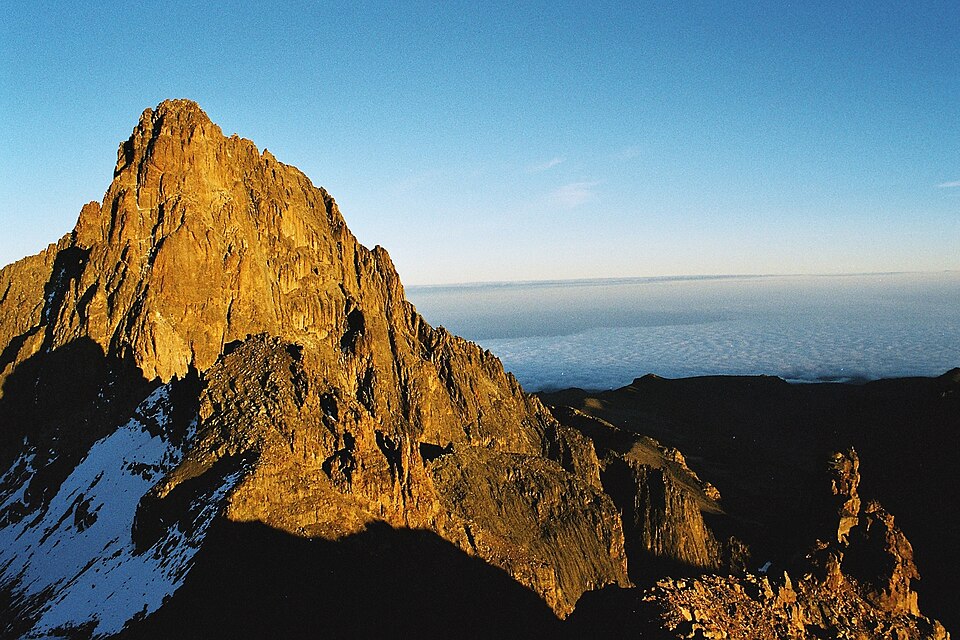
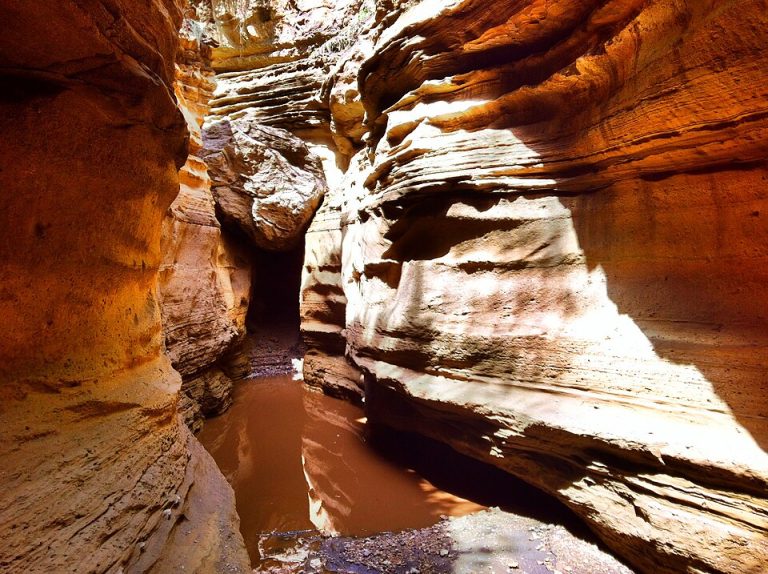
Diverse Landscapes Kora National Park
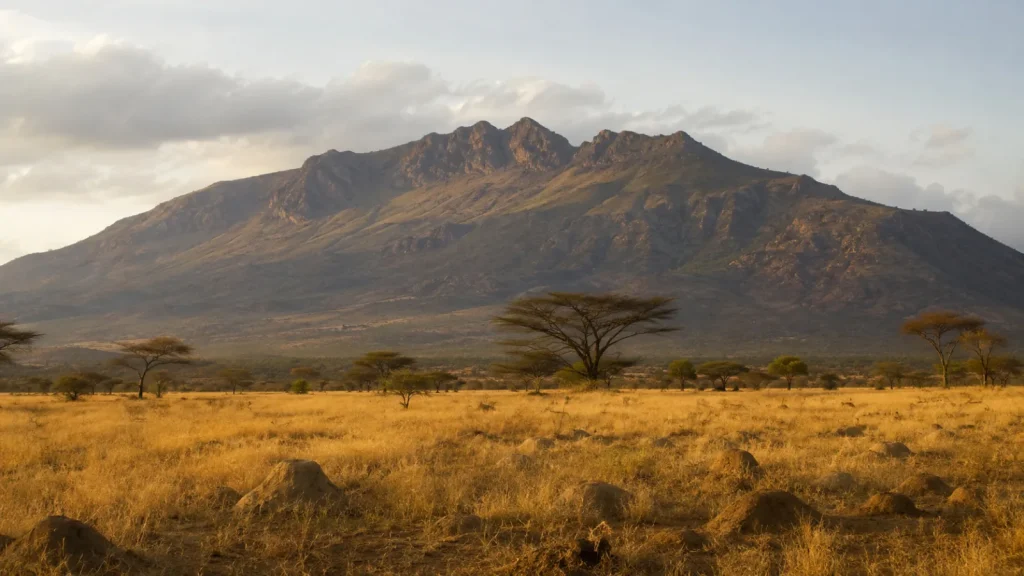
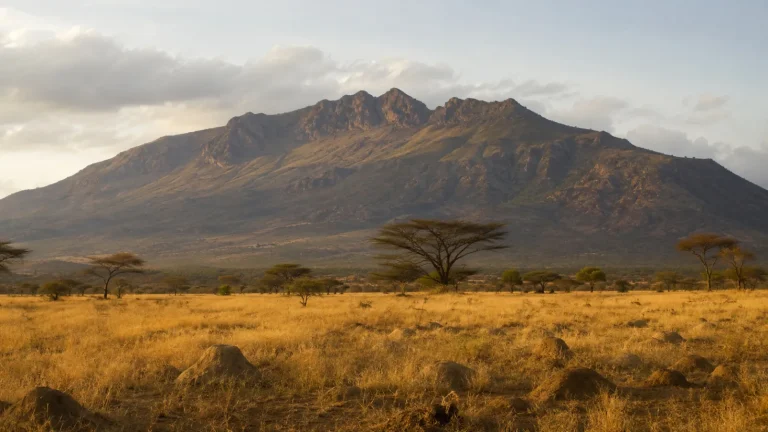
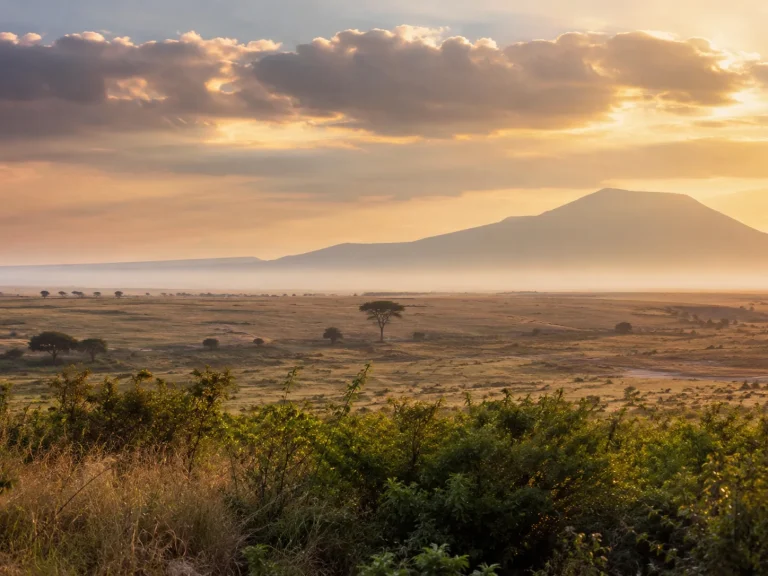
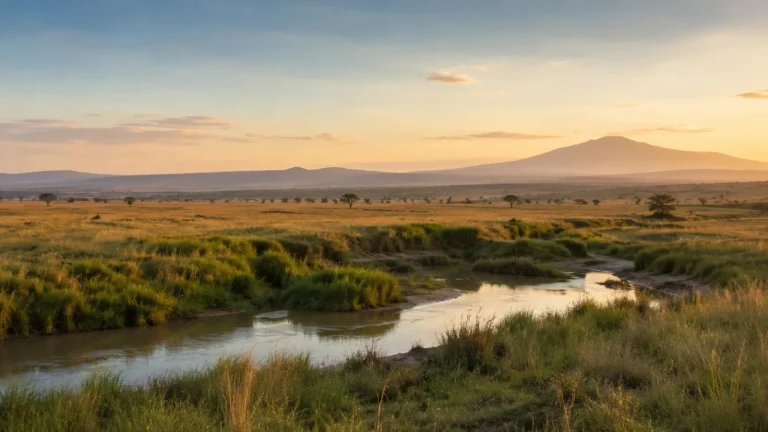
features a variety of landscapes, from riverine forests and savannah plains to rugged hills and rocky outcrops. The park's diverse terrain provides stunning vistas and unique environments that support a range of wildlife and bird species.
Tana River
The Tana River flows through the park, creating lush riverine habitats and offering a vital water source for the park's wildlife. The riverbanks are rich in vegetation and provide excellent opportunities for wildlife viewing, including sightings of hippos and crocodiles. The Tana River also supports birdlife, making it a prime spot for birdwatching.
Wildlife Viewing
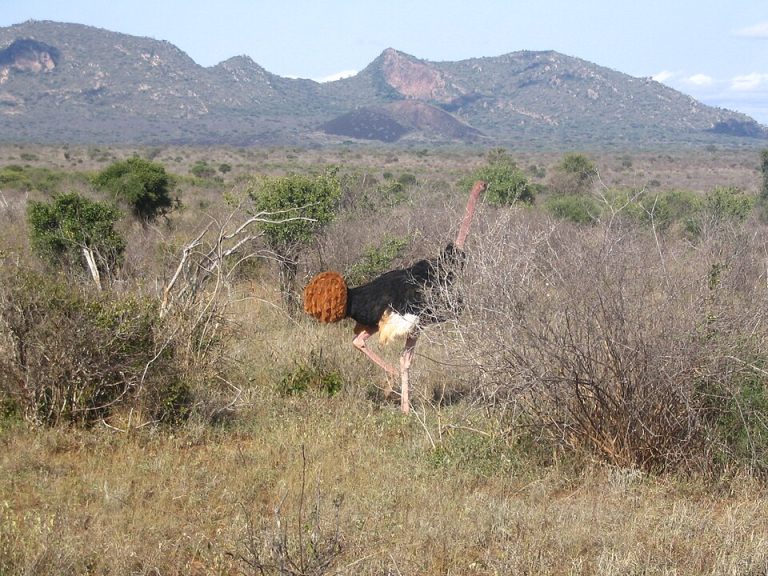
Kora National Park is home to a variety of wildlife, including elephants, lions, giraffes, and various antelope species. The park's remote location means that visitors can experience more intimate wildlife encounters away from the crowds found in more popular parks. The park's wildlife is adapted to the diverse environments found within its boundaries.
Conservation History
The park has a significant conservation history, being the former home of the famous wildlife conservationist Joy Adamson and her husband George. Joy Adamson's work with Elsa the lioness, as documented in her book "Born Free," brought international attention to the park. The legacy of their conservation efforts continues to influence the park's management and preservation.
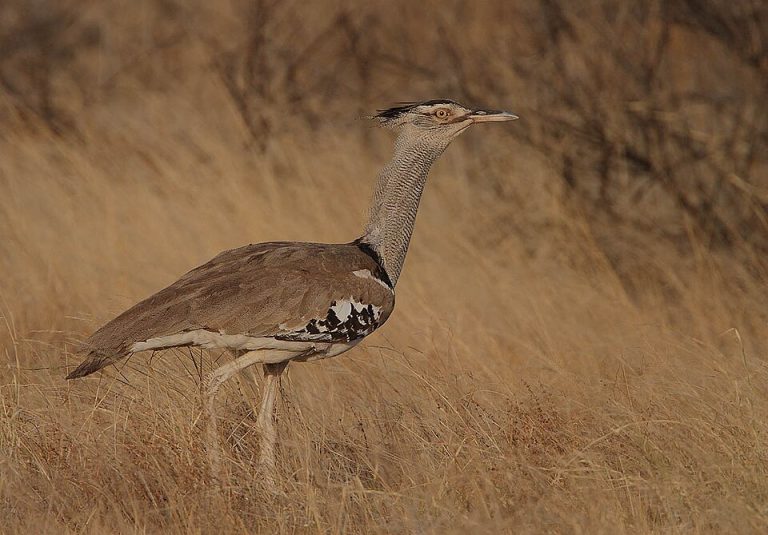
Birdwatching Kora National Park
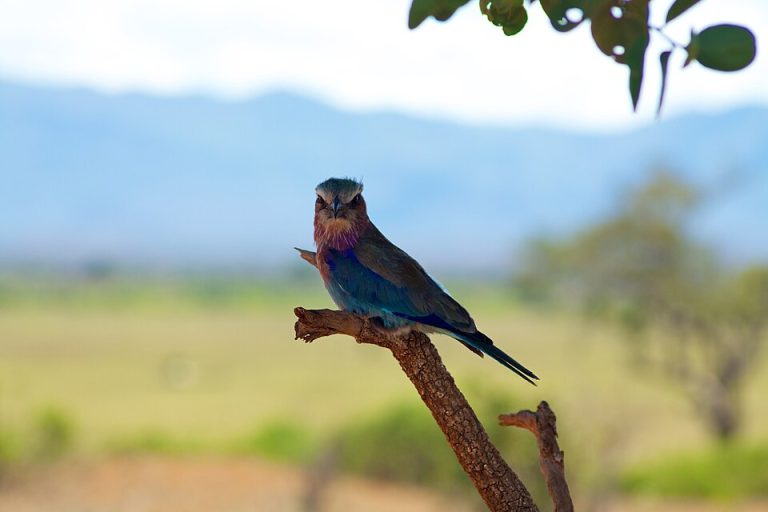
offers excellent birdwatching opportunities with over 400 recorded bird species. The diverse habitats within the park, including riverine forests and savannahs, support a wide range of birdlife. Notable species include the African fish eagle, the violet-backed starling, and various raptors.
Remote Wilderness Kora National Park's remote location
offers a sense of isolation and tranquility, making it ideal for travelers seeking solitude and a deeper connection with nature. The park's relatively low visitor numbers ensure a more private and immersive safari experience.
Practical planning
Useful before you go
Best time
The park can be visited year-round, but the dry season (June to October) is generally better for wildlife viewing, as animals are more concentrated around water sources. The wet season (November to May) brings lush vegetation and cooler temperatures, which can make wildlife spotting more challenging.
Getting there
Kora National Park is accessible by road from Nairobi, with a journey taking approximately 8-10 hours. The park is also accessible by air, with flights available to airstrips near the park, followed by a road transfer.
Packing
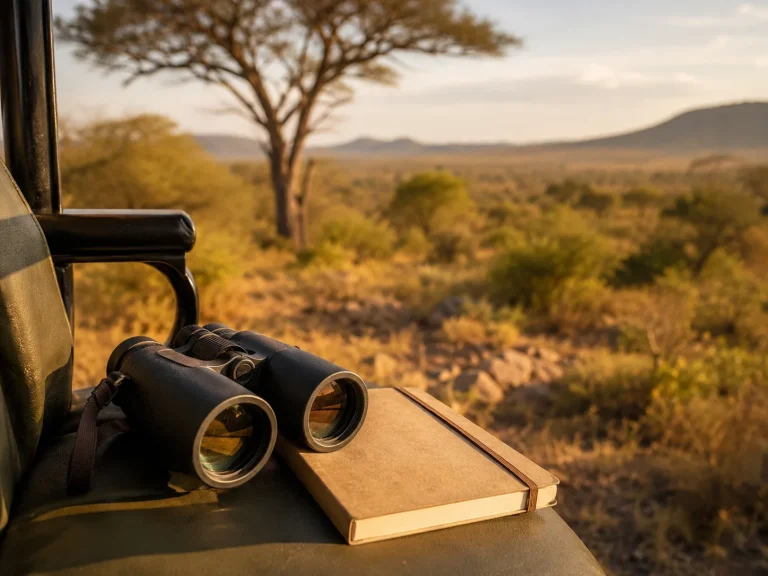
Bring lightweight, breathable clothing for hot and dry conditions, sturdy walking shoes, a camera, binoculars, sunscreen, insect repellent, and plenty of water. A hat and sunglasses are also recommended for sun protection.
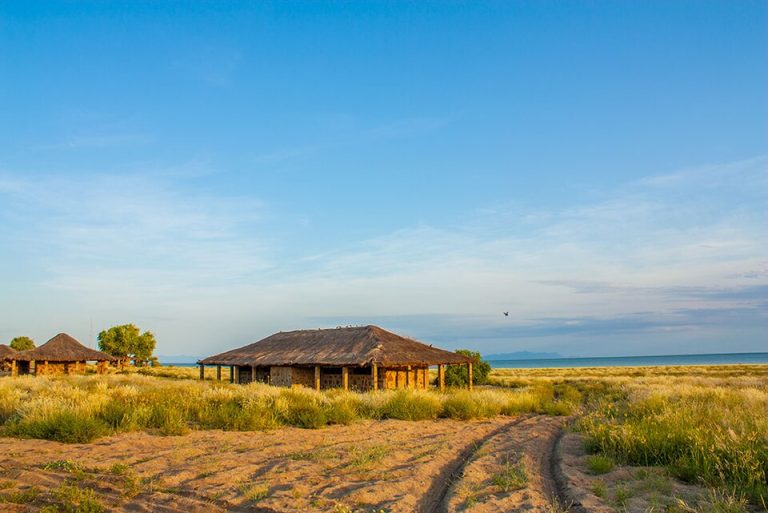
Stay
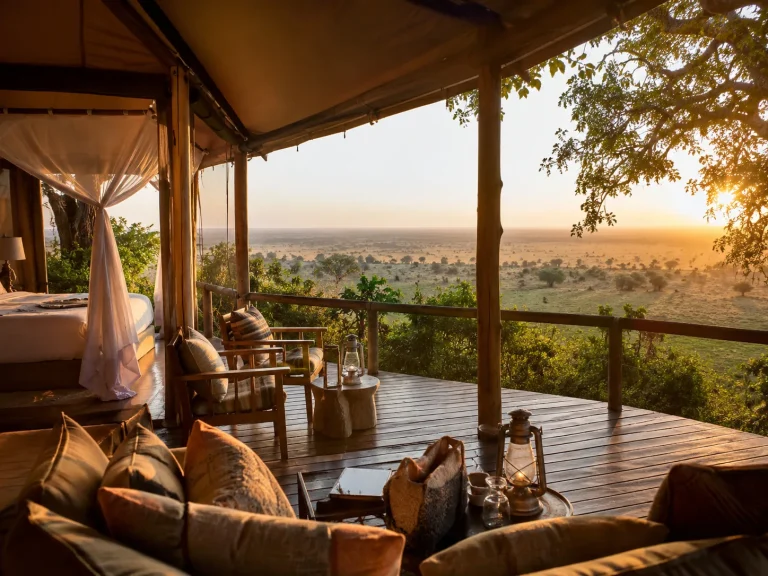
Accommodation options in and around Kora National Park are limited and typically involve basic lodges and campsites. Due to the park's remote location, visitors should plan their stay in advance and be prepared for a more rugged and adventurous experience.
Gallery
A sense of place
Experiences
Ways to experience the place
features a variety of landscapes, from riverine forests and savannah plains to rugged hills and rocky outcrops. The park's diverse terrain provides stunning vistas and unique environments that support a range of wildlife and bird species.
Ask about this experienceThe Tana River flows through the park, creating lush riverine habitats and offering a vital water source for the park's wildlife. The riverbanks are rich in vegetation and provide excellent opportunities for wildlife viewing, including sightings of hippos and crocodiles. The Tana River also supports birdlife, making it a prime spot for birdwatching.
Ask about this experienceKora National Park is home to a variety of wildlife, including elephants, lions, giraffes, and various antelope species. The park's remote location means that visitors can experience more intimate wildlife encounters away from the crowds found in more popular parks. The park's wildlife is adapted to the diverse environments found within its boundaries.
Ask about this experienceThe park has a significant conservation history, being the former home of the famous wildlife conservationist Joy Adamson and her husband George. Joy Adamson's work with Elsa the lioness, as documented in her book "Born Free," brought international attention to the park. The legacy of their conservation efforts continues to influence the park's management and preservation.
Ask about this experienceoffers excellent birdwatching opportunities with over 400 recorded bird species. The diverse habitats within the park, including riverine forests and savannahs, support a wide range of birdlife. Notable species include the African fish eagle, the violet-backed starling, and various raptors.
Ask about this experienceoffers a sense of isolation and tranquility, making it ideal for travelers seeking solitude and a deeper connection with nature. The park's relatively low visitor numbers ensure a more private and immersive safari experience. Accommodation Options Accommodation options in and around Kora National Park are limited and typically involve basic lodges and campsites. Due to the park's remote location, visitors should plan their stay in advance and be prepared for a more rugged and adventurous experience. Travel Tips Best Time to Visit: The park can be visited year-round, but the dry season (June to October) is generally better for wildlife viewing, as animals are more concentrated around water sources. The wet season (November to May) brings lush vegetation and cooler temperatures, which can make wildlife spotting more challenging. How to Get There: Kora National Park is accessible by road from Nairobi, with a journey taking approximately 8-10 hours. The park is also accessible by air, with flights available to airstrips near the park, followed by a road transfer. What to Pack: Bring lightweight, breathable clothing for hot and dry conditions, sturdy walking shoes, a camera, binoculars, sunscreen, insect repellent, and plenty of water. A hat and sunglasses are also recommended for sun protection. Kora National Park offers a unique and adventurous safari experience in Kenya's remote wilderness. With its diverse landscapes, rich conservation history, and abundant wildlife, Kora provides a memorable adventure for those seeking to explore Kenya's lesser-known natural wonders. Kora National Park The Wild, the Historic, the Untamed Morning Game Drives launch at first light, when wildlife is most active – lions, elephants, leopards, cheetahs, and rare antelope like the hirola emerge at dawn. A seasoned guide leads guests through the undulating acacia plains and dramatic rocky inselbergs, like Kora Rock, offering both thrilling sightings and sweeping sunrise vistas. Visit the famed Grand Falls and Adamson's Falls mid-morning, time your arrival to capture the water mesmerized by golden hour light. Midday Rock Climb at Kora Rock pulses with exhilaration. At around midday, ascend this iconic summit where conservation legend George Adamson used to call to lions. This manageable climb of about 45 minutes rewards adventurous travelers with panoramic views of the park's wild savanna – a scene both dramatic and deeply historic. Afternoon Nature Walks & Birding follow cooler hours, led by experienced rangers who guide you to Tana River's riverine forests and hidden trails. Guests encounter diverse birdlife – from Hunter's Sunbird to African raptors – and game like genet and meerkat families navigating the underbrush. The tranquil riverbanks are especially active in late afternoon, just before dusk. Cultural Pilgrimage to Kampi ya Simba can be scheduled at day's end. A respectful walk to George Adamson's former lion camp offers a solemn connection to Kenya's conservation heritage. These visits are deeply moving and build a resonance with safari lore. Overnight Camping Under the Stars is perfect for seasoned wilderness lovers. Set up at safe campsites (e.g., Kampi Baridi) as dusk falls – enjoy bush dinners, brilliant starlight skies, and the constant hum of wildlife just beyond tent flaps. This immersive stay bridges the wildest stories with personal discovery.
Ask about this experienceKora National Park offers a unique and adventurous safari experience in Kenya's remote wilderness. With its diverse landscapes, rich conservation history, and abundant wildlife, Kora provides a memorable adventure for those seeking to explore Kenya's lesser-known natural wonders.
Morning Game Drives launch at first light, when wildlife is most active – lions, elephants, leopards, cheetahs, and rare antelope like the hirola emerge at dawn. A seasoned guide leads guests through the undulating acacia plains and dramatic rocky inselbergs, like Kora Rock, offering both thrilling sightings and sweeping sunrise vistas. Visit the famed Grand Falls and Adamson's Falls mid-morning, time your arrival to capture the water mesmerized by golden hour light.
Midday Rock Climb at Kora Rock pulses with exhilaration. At around midday, ascend this iconic summit where conservation legend George Adamson used to call to lions. This manageable climb of about 45 minutes rewards adventurous travelers with panoramic views of the park's wild savanna – a scene both dramatic and deeply historic.
Afternoon Nature Walks & Birding follow cooler hours, led by experienced rangers who guide you to Tana River's riverine forests and hidden trails. Guests encounter diverse birdlife – from Hunter's Sunbird to African raptors – and game like genet and meerkat families navigating the underbrush. The tranquil riverbanks are especially active in late afternoon, just before dusk.
Cultural Pilgrimage to Kampi ya Simba can be scheduled at day's end. A respectful walk to George Adamson's former lion camp offers a solemn connection to Kenya's conservation heritage. These visits are deeply moving and build a resonance with safari lore.
Overnight Camping Under the Stars is perfect for seasoned wilderness lovers. Set up at safe campsites (e.g., Kampi Baridi) as dusk falls – enjoy bush dinners, brilliant starlight skies, and the constant hum of wildlife just beyond tent flaps. This immersive stay bridges the wildest stories with personal discovery.