Lake Nakuru National Park
Nestled in the heart of the Great Rift Valley, Lake Nakuru National Park is one of Kenya's most iconic wildlife sanctuaries. Renowned for its stunning flamingo populations and diverse ecosystems, this park offers visitors a unique blend of
At a glance
Useful facts for planning
In this guide
Why go
Nestled in the heart of the Great Rift Valley, Lake Nakuru National Park is one of Kenya's most iconic wildlife sanctuaries. Renowned for its stunning flamingo populations and diverse ecosystems, this park offers visitors a unique blend of breathtaking landscapes, rich biodiversity, and an abundance of bird species. Whether you're a birdwatcher, nature lover, or on a family safari, Lake Nakuru National Park promises an unforgettable experience.
Key attractions
What to look for
Flamingo Flocks Lake Nakuru
is famous for the large flocks of flamingos that line its shores, turning the lake into a sea of pink. These beautiful birds are drawn to the lake by its abundance of algae, their primary food source. While the flamingo population can fluctuate due to water levels and food availability, seeing these vibrant birds in such large numbers is a spectacular sight.
Scenic Landscapes
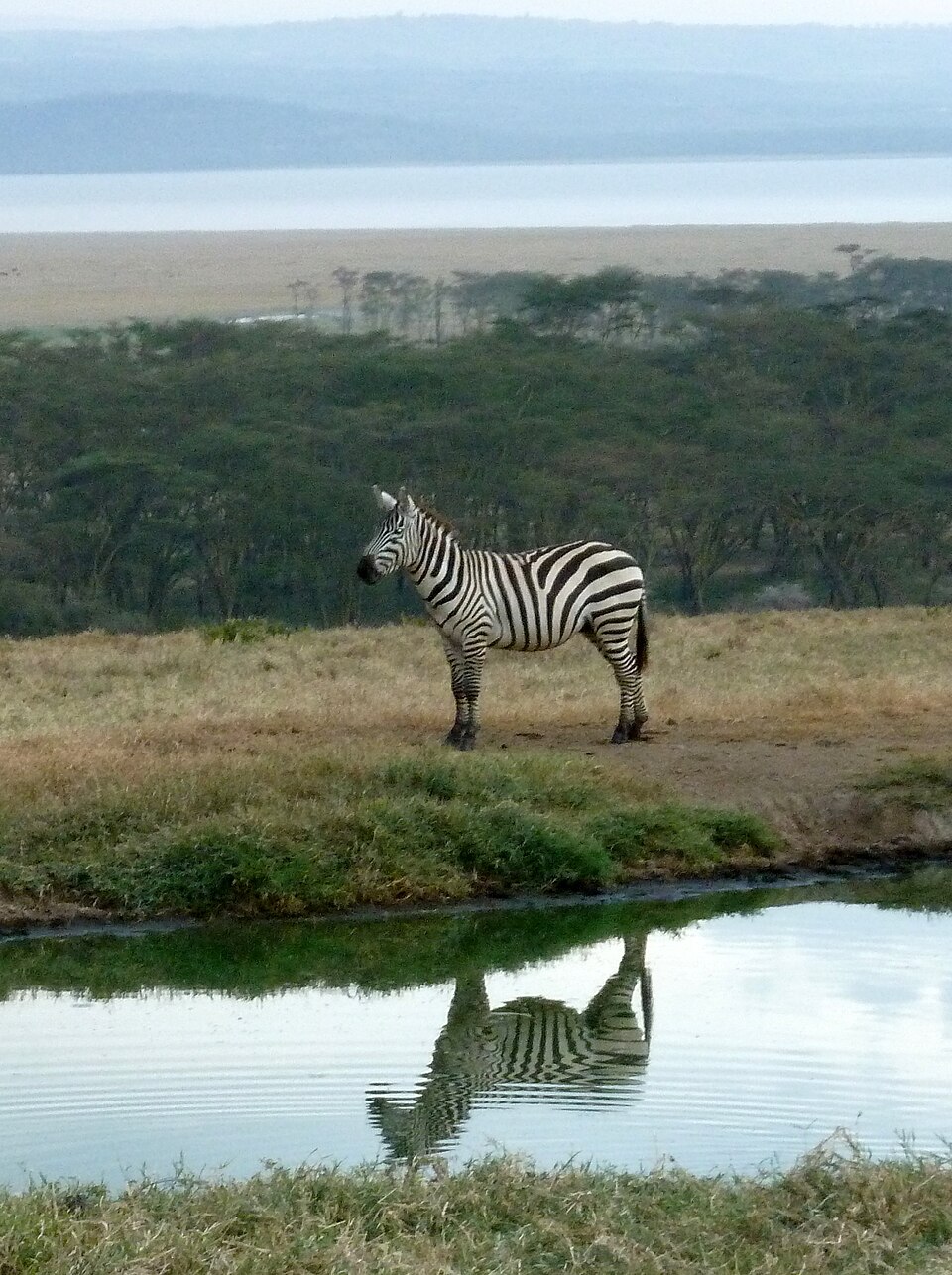
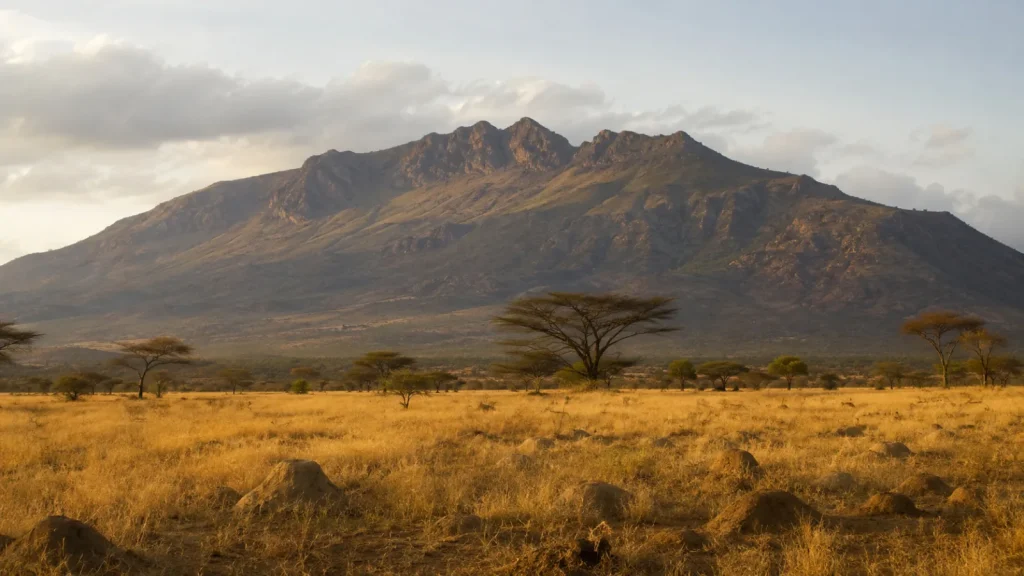
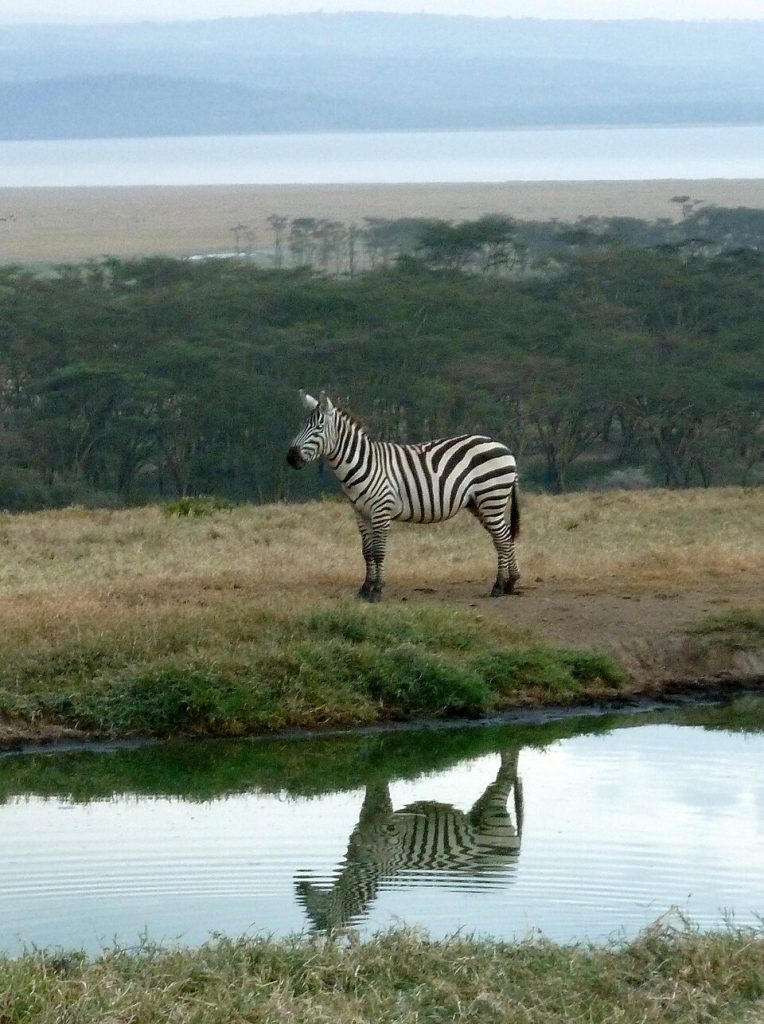
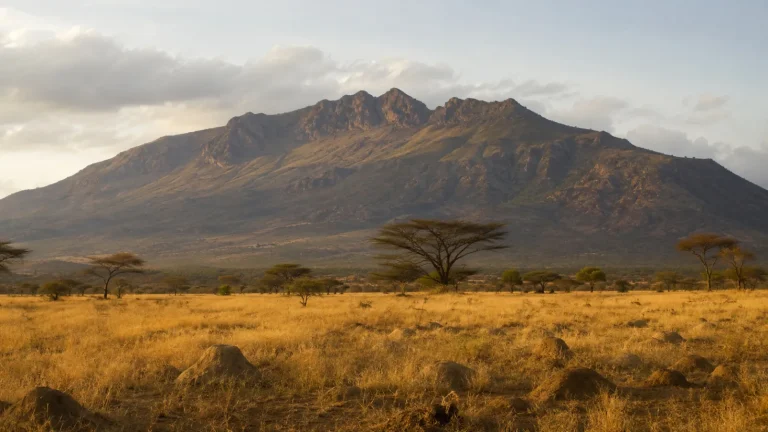
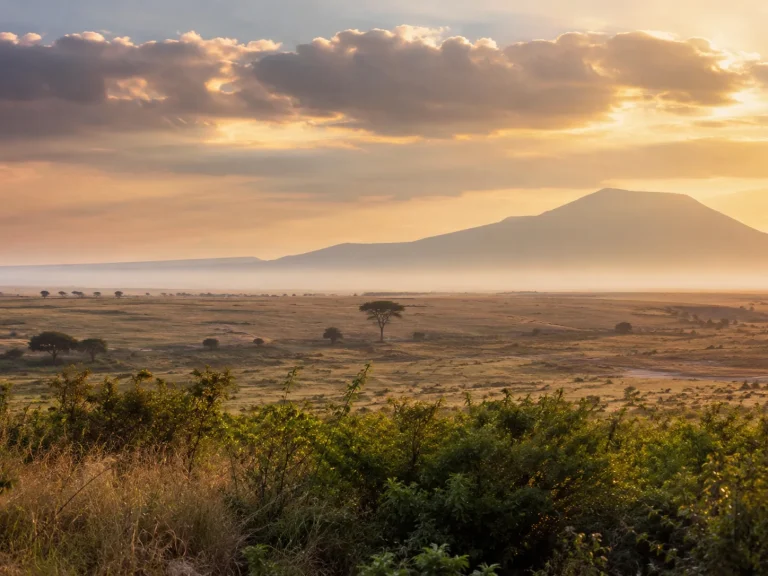
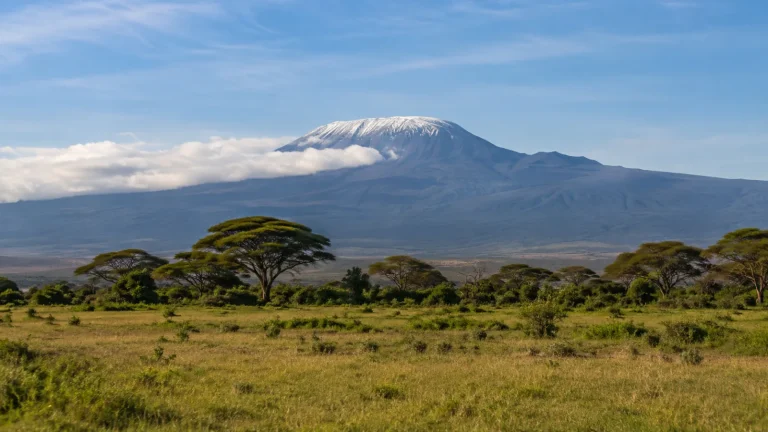
The park's landscapes are as varied as its wildlife. From the shimmering waters of Lake Nakuru and the dramatic cliffs of Baboon Cliff to the dense forests and open savannahs, the scenery is simply captivating. Baboon Cliff offers a panoramic view of the lake and the park, making it a popular spot for photography.
Waterfalls and Forests Makalia Falls
is another scenic highlight within the park. This picturesque waterfall is a great place for a picnic and a refreshing break during a game drive. The park also features dense forests of acacia and euphorbia trees, providing a lush contrast to the open plains.
Practical planning
Useful before you go
Best time
The park can be visited year-round, but the dry season (July to December) offers the best wildlife viewing and birdwatching opportunities. During the wet season (March to June), the park is lush and green, with fewer tourists.
Getting there
Lake Nakuru National Park is easily accessible by road from Nairobi, approximately a 2-3 hour drive. The park is also accessible by air, with flights to the nearby Nakuru airstrip.
Packing
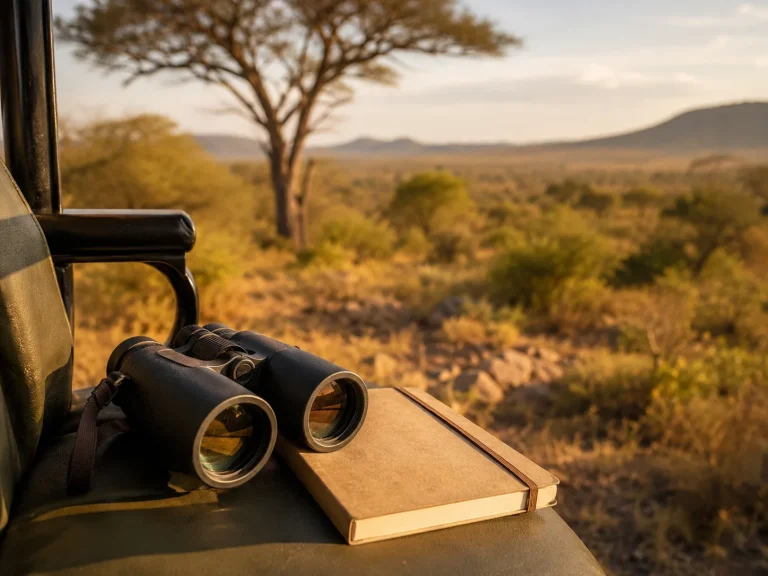
Bring comfortable clothing, binoculars, a camera, sunscreen, insect repellent, and a hat. If visiting during the wet season, pack rain gear and sturdy shoes.
Stay
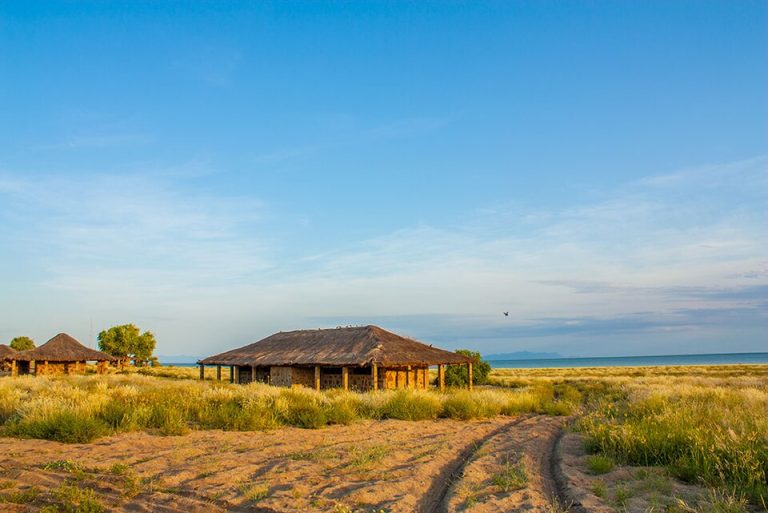
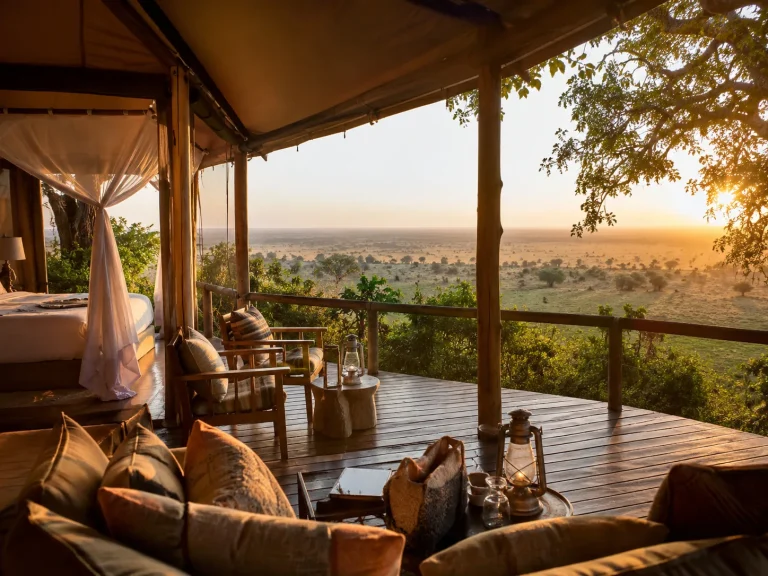
Lake Nakuru National Park offers a range of accommodation options, from luxury lodges and tented camps to budget-friendly campsites. Many lodges and camps are situated to provide stunning views of the lake and its surrounding wildlife. Whether you prefer the comfort of a lodge or the adventure of camping, there's something to suit every traveler.
Gallery
A sense of place
Experiences
Ways to experience the place
DescriptionLake Nakuru is one of Kenya's most successful rhino conservation areas, home to over 100 white rhinos and a smaller number of black rhinos. Viewing is almost guaranteed due to the park's compact nature.
DescriptionLocated at the southern end of the park, Makalia Falls offers a tranquil break from game viewing. During rainy seasons, the falls are full and vibrant.
DescriptionIn select areas, guided walks offer a closer look at the park's ecology, birdlife, and flora, under the protection of armed rangers.
DescriptionPrivate guided photography sessions with flexible timing for light, angles, and animal behavior. Focused on sunrise, sunset, and bird-in-flight shots.
DescriptionDesignated picnic sites allow guests to enjoy meals in the wild. Luxury lodges often organize sundowners with drinks and canapés.
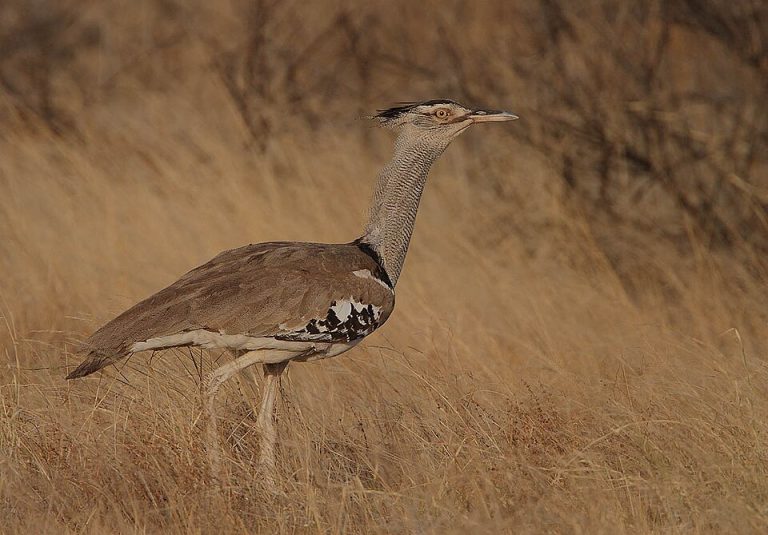
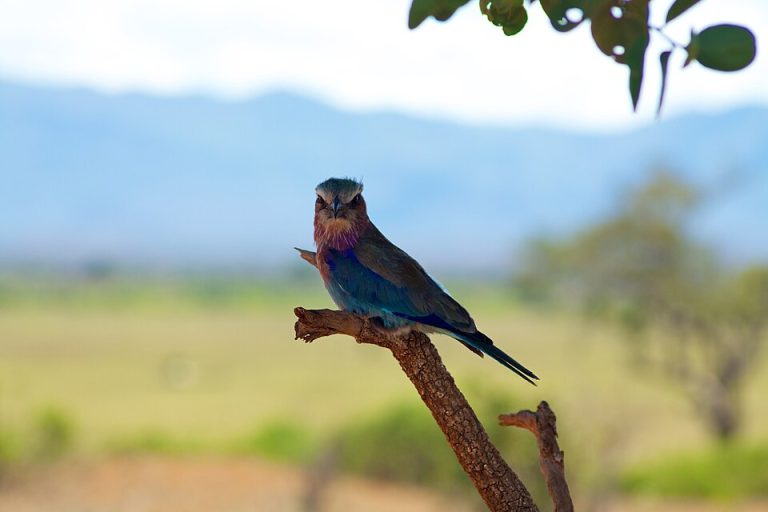
2. Diverse Birdlife Beyond flamingos, Lake Nakuru National Park is a haven for birdwatchers with over 450 species recorded. From pelicans and herons to fish eagles and kingfishers, the park offers some of the best birdwatching opportunities in Kenya. The varied habitats, including the lake, woodlands, and grasslands, support this incredible avian diversity.
3. The Big Four Although not home to all of the Big Five, Lake Nakuru National Park boasts impressive populations of lions, leopards, rhinos, and buffaloes. The park is particularly noted for its rhino sanctuary, where both black and white rhinos can be seen. Visitors often enjoy excellent wildlife viewing during game drives, with the chance to spot these majestic animals in their natural surroundings.
Lake Nakuru National Park is a destination that captivates the hearts of all who visit. From the vibrant flocks of flamingos and diverse birdlife to the majestic rhinos and stunning landscapes, the park offers a unique and enriching experience. Whether you are on a safari adventure or a birdwatching expedition, Lake Nakuru is a place where nature's beauty and wildlife wonders come together in perfect harmony.
OverviewNestled in Kenya's Great Rift Valley and famed for its shimmering soda lake, flocks of flamingos, and thriving rhino sanctuary, Lake Nakuru National Park offers a rich blend of birdlife, big game viewing, and breathtaking landscapes. The park's compact size makes it ideal for half-day or full-day exploration, yet its diversity of experiences caters to multiple market segments – from wildlife enthusiasts and photographers to family groups and luxury travelers seeking a shorter safari extension.
DescriptionGame drives at Lake Nakuru are the heart of the experience. The park is home to black and white rhinos, Rothschild's giraffes, buffalos, lions, leopards, and an impressive array of birdlife. The acacia woodlands, open grasslands, and lakeshore create dynamic backdrops for wildlife photography.
Early Morning Drive (06:30 – 09:30): Best for predators and big game sightings before the heat of the day.
Mid-Morning Drive (10:00 – 12:00): Great for birdwatching and relaxed viewing of grazers.
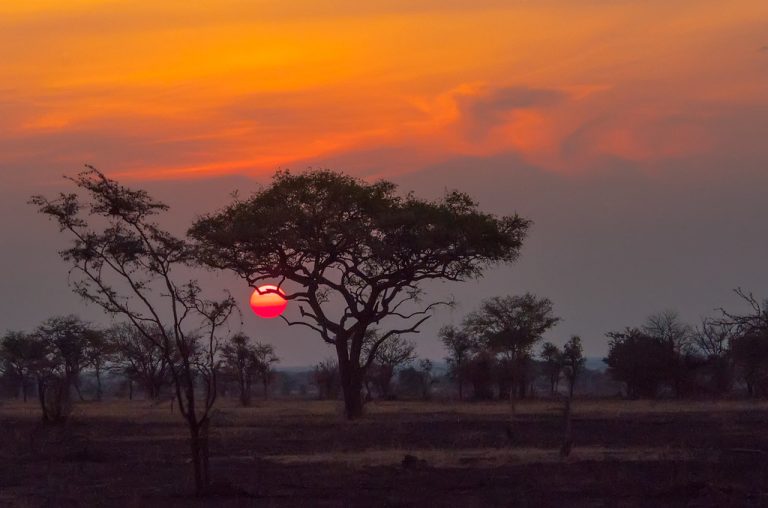
Afternoon Drive (15:00 – 18:00): Ideal for golden-hour photography and animals returning to the lakeshore.
International FITs & Luxury Travelers: Often as part of a multi-park itinerary.
Wildlife Photographers: The park's density offers a high success rate for sightings.
DescriptionLake Nakuru is a birdwatcher's paradise, historically famed for its pink-hued flamingo displays (numbers vary seasonally). Over 450 species are recorded, including pelicans, fish eagles, and rare migrants.
Seasonal Highlights: Post-rains (April-June, Nov-Dec) bring higher waterbird diversity.
Birding Tour Groups: Often led by ornithologists or specialized guides.
Special Interest Travelers: Nature enthusiasts seeking biodiversity-focused itineraries.
DescriptionBaboon Cliff offers sweeping views of the lake and surrounding savannah. It's a perfect picnic spot, photography point, and place to observe baboons in their natural habitat.
Mid-Morning or Late Afternoon: Best for clear skies and panoramic shots.